
Last updated November 20, 2026
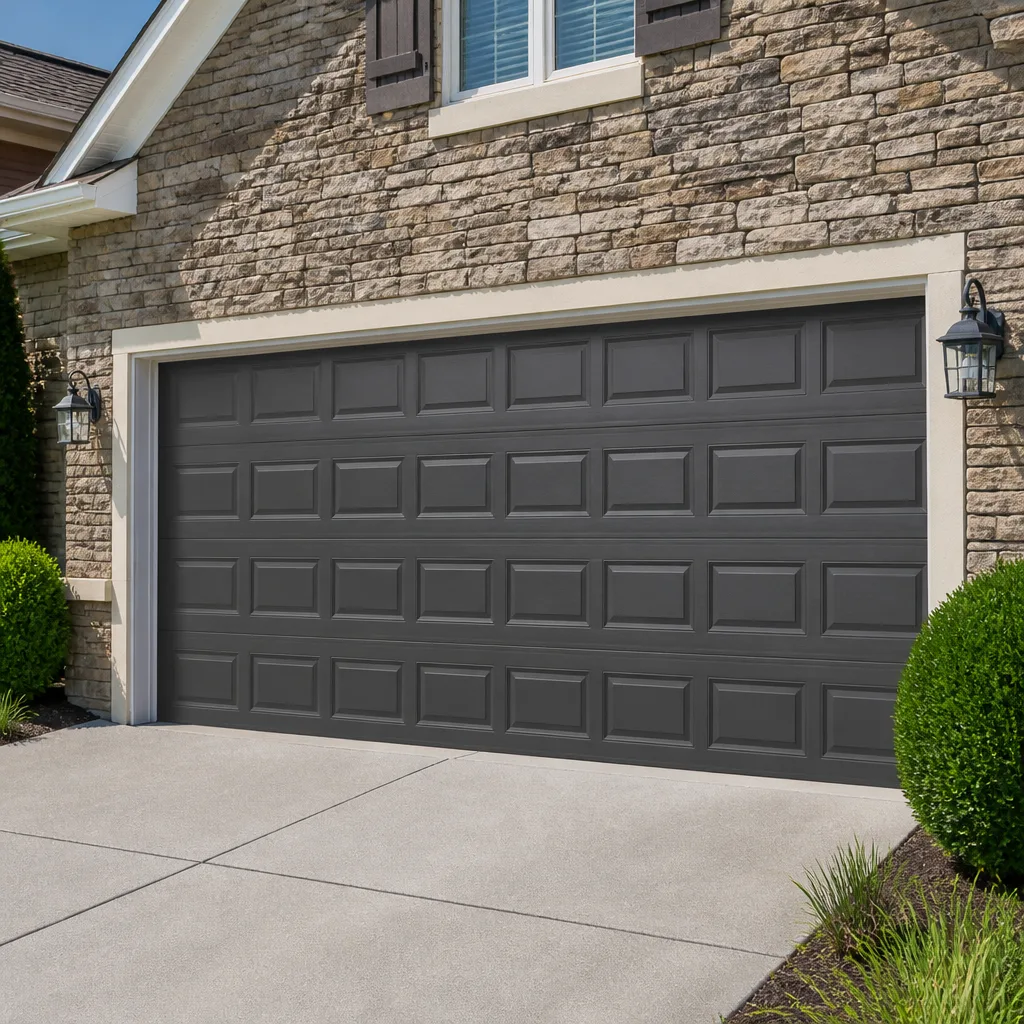 Raised-panel steel
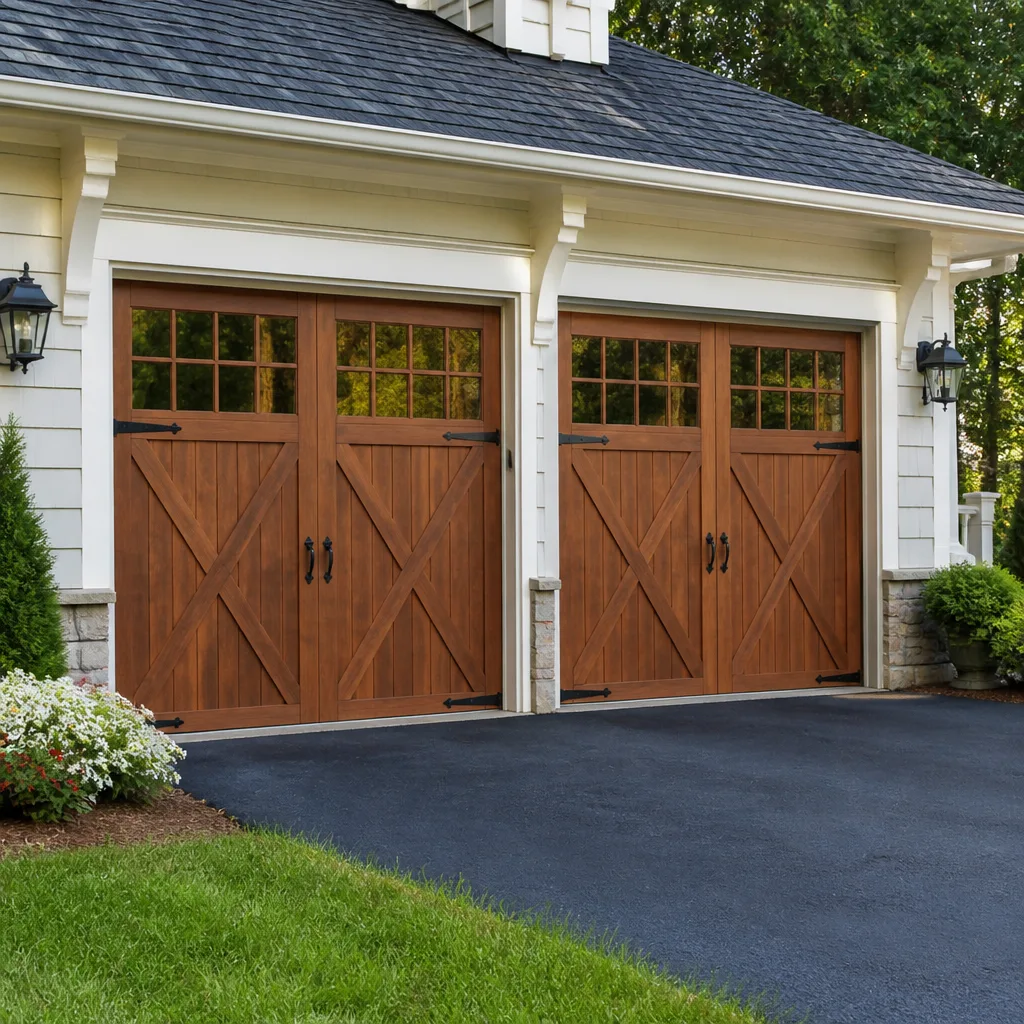 Carriage house
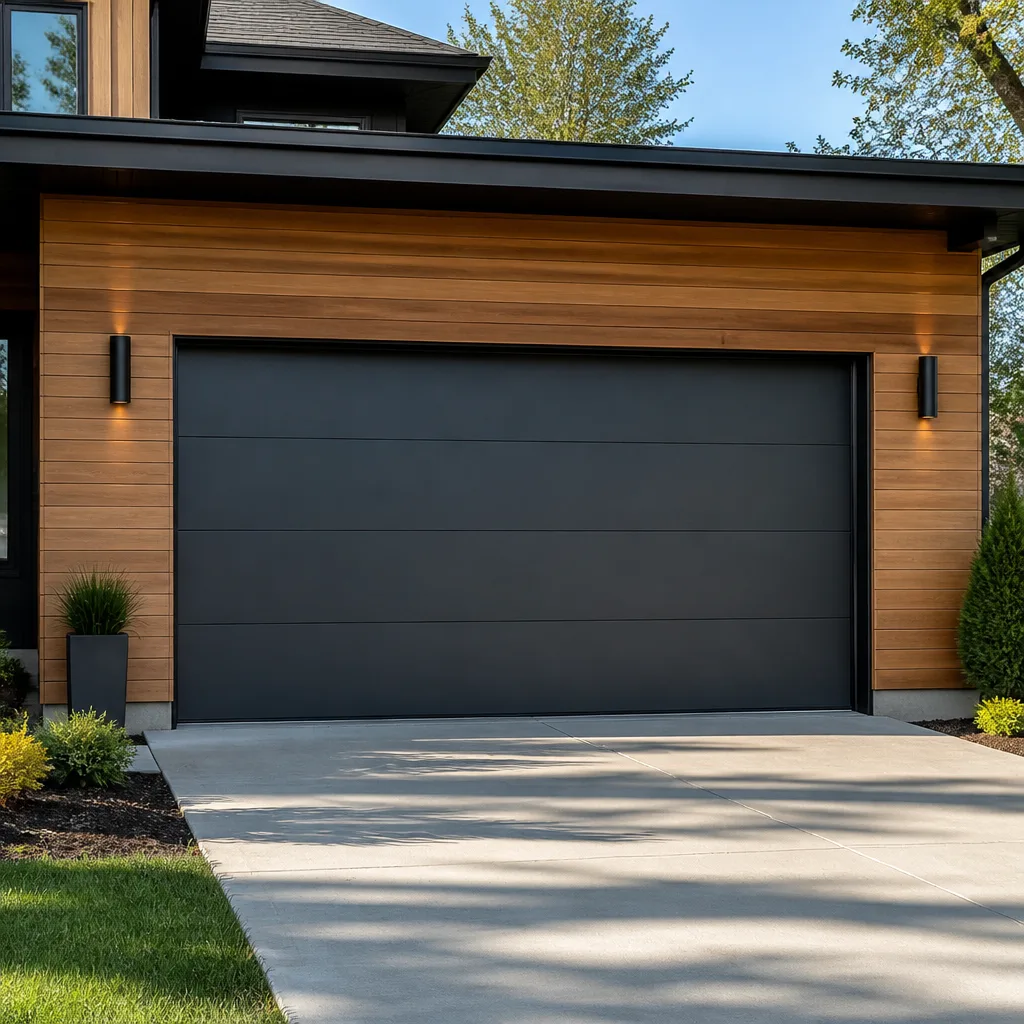 Modern flush
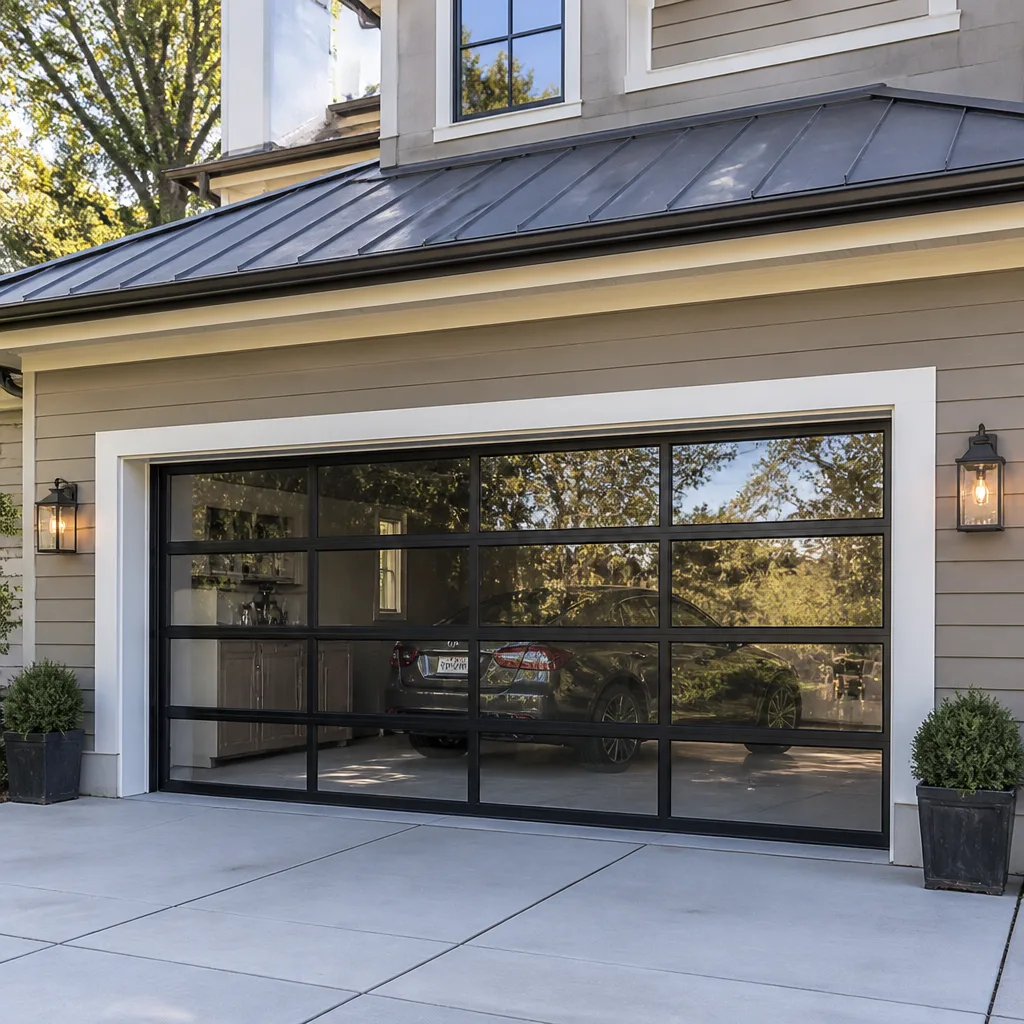 Full-view glass
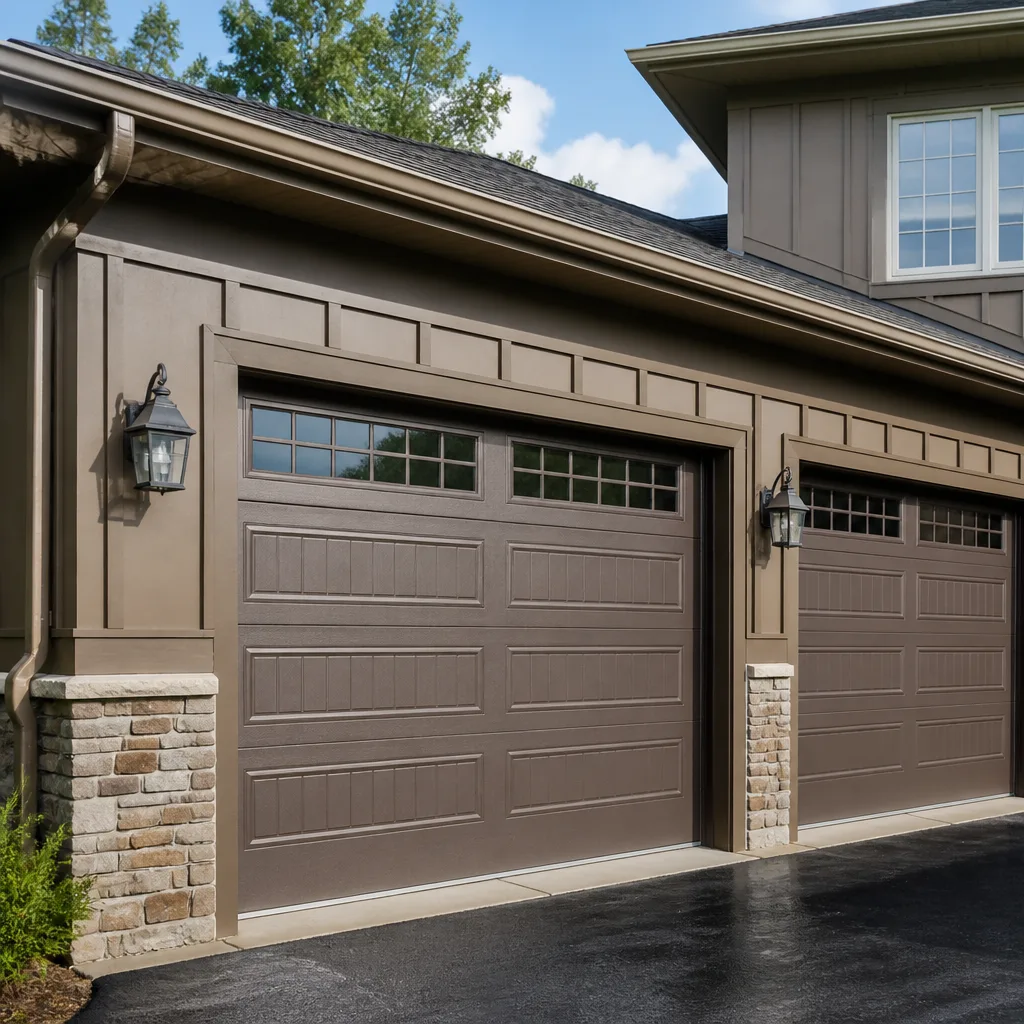 LiftMaster openers
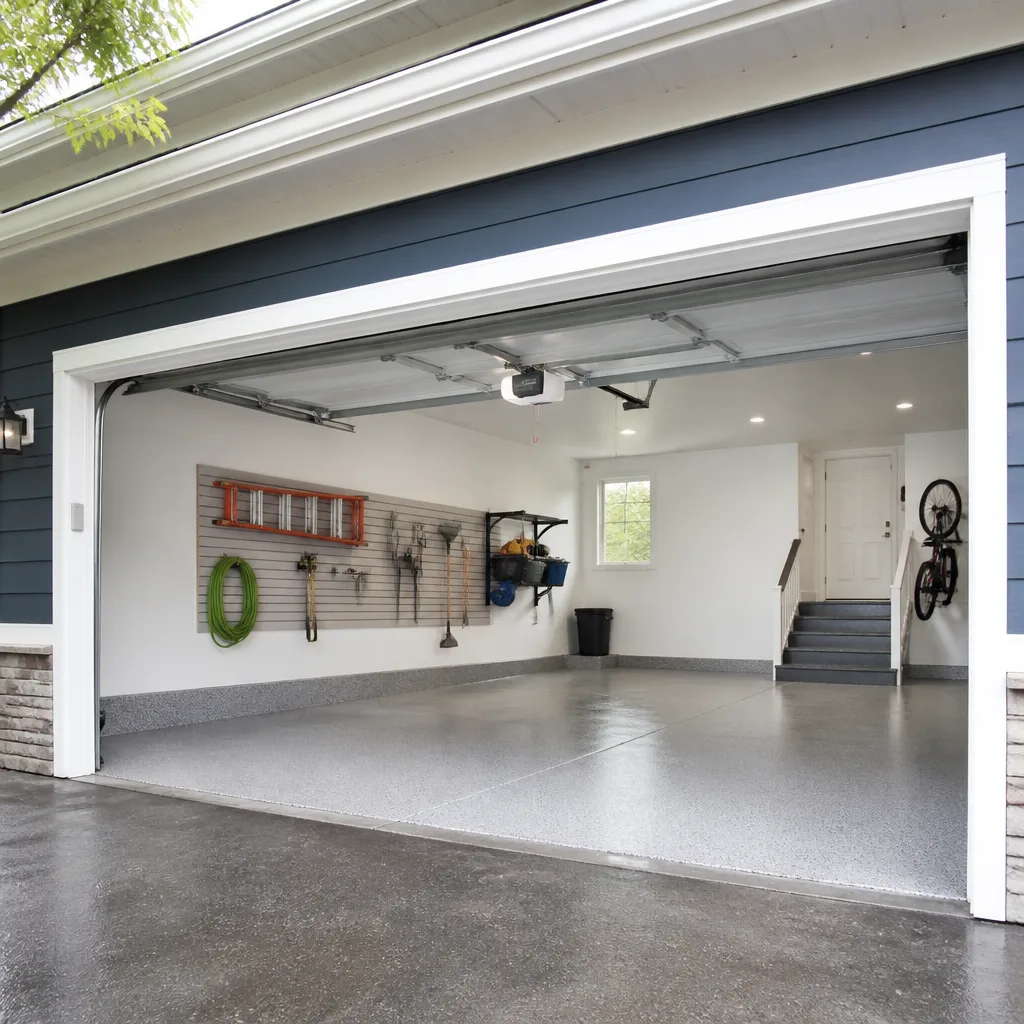 Chamberlain openers
Full 25-point door and opener safety check with every visit - springs, cables, rollers, tracks, and your LiftMaster or Chamberlain opener included
You get a price before we start. It does not change when the pro arrives.
Get your free estimateGarage Door Warning Signs: A Reading Homeowner’s Reference Guide
Here’s the part most homeowners get wrong: a garage door almost never fails out of nowhere. It warns you first, usually for weeks. The trouble is the warnings arrive as small annoyances – a new rattle, a door that takes a beat longer to open, a spot of rust that wasn’t there last month – and they blend into the background of a house you drive away from every morning. By the time the door actually quits, you’ve already heard the clues and filed them under “it’s just getting old.” This guide walks through the signals a failing door sends, how to read them by sound, sight, and movement, and how to tell the difference between “schedule a repair” and “stop using it right now.” We’re writing it from Reading, and a few of these signals behave a little differently in a Pennsylvania climate than they do in a warmer market.
Quick Answer
A failing garage door usually broadcast at least three warning signs before it stops working. The most telling are new or worsening noise, slow or uneven movement, and visible wear on springs, cables, rollers, or hardware. If you notice any of those, get the door looked at before it strands a car or becomes a safety issue.
Styles & brands we work with
- Raised-panel steel
- Carriage house
- Modern flush
- Full-view glass
- LiftMaster openers
- Chamberlain openers
Table of Contents
- What the Noise Is Telling You: A Field Guide to Garage Door Sounds
- Visual Warning Signs on Springs, Cables, and Drums
- Slow, Uneven, or Reversing Movement: What It Signals
- Stop Using the Door Immediately: The Red-Line Signs
- Opener Warning Signs vs. Door Warning Signs
- How Reading’s Climate Accelerates Certain Failures
- How to Describe Symptoms Accurately When You Call
- A Simple Warning-Sign Checklist by Season
What the Noise Is Telling You: A Field Guide to Garage Door Sounds
Noise is the most ignored and most useful signal a garage door gives. That’s because different mechanical failures each produce a distinct sound, and once you can separate them you know roughly what you’re dealing with before anyone touches the door. Not every groan means the same thing. Here’s how to sort them by ear.
- A grinding or scraping sound as the door operates. This often points to worn rollers, a dry or misaligned track, or a roller that’s come slightly out of its bracket. Grinding tends to sit in one area of travel and repeat each cycle.
- A binding sensation you can hear as a strained, uneven rumble. A binding track or a bent track section makes the door drag at a specific point. It usually gets worse over time and can eventually pull the door off its rollers.
- A high-pitched whine from the opener unit itself. On a chain-drive or belt-drive opener, this can indicate a worn gear, a drying chain, or a failing motor bearing. If the whine comes from the unit and not the door, the opener is the suspect.
- A sharp metallic snap followed by the door slamming or hanging limp. That’s the sound of a spring breaking. A torsion spring under tension releases its stored energy all at once, and there is no mistaking the report.
- A popping or creaking that comes and goes as the door opens. This can be a fatiguing spring, a loose hinge, or worn bearings. It’s an earlier-stage warning than a snap and usually the friendlier one to catch.
The key is change. A door that has always made a soft hum and now grinds is telling you something. A door that was quiet last winter and now clatters is telling you something. Start paying attention to what’s normal for your door, and you’ll notice the shift long before a failure.
In our experience, the sound homeowners most often dismiss is the fatiguing torsion spring. It doesn’t snap right away – it fatigues, and fatigue produces a recurring creak, pop, or strain. Our technicians have up to 15 years of experience reading these signals, and the difference between catching a fatiguing spring and waiting for the snap is often the difference between a planned repair and a stranded car.
Visual Warning Signs on Springs, Cables, and Drums
Springs and cables are the most safety-critical parts of the whole system, and they leave visual evidence before they fail. The catch is that you have to look for it from a safe distance – never reach up or pull on a cable or spring to test it. Springs and cables hold stored tension even when the door is closed, and the release can cause serious injury. What you can do safely is inspect with your eyes from the floor.
Torsion springs
- Gaps in the coil. A healthy torsion spring is a tight, continuous coil. A gap of even a fraction of an inch where the wire has separated means the spring is failing and the door should not keep running.
- Rust and discoloration. Springs live under constant tension, and moisture accelerates fatigue. Surface rust near the coil ends is an early sign worth noting.
- A sagging or uneven coil. If the spring noticeably droops or its coils have widened, it’s near the end of its useful life.
Cables and drums
- Fraying or broken strands. A cable should be smooth along its length. Frayed strands mean it’s been under strain and could snap.
- A cable that’s jumped the drum. Look at the metal drums at each end of the torsion bar. The cable should sit neatly in its groove. If it’s riding the edge or has come off, the door is a hazard now.
- A slack or tangled cable on one side. Slack on one side while the other is tight means the door is unbalanced or a cable has slipped. Stop using it.
- Visible wear at the drum lip. Metal-on-metal contact wears the drum edge. Once it’s thin or worn, the cable can slip off.
If you see a snapped spring, a cable off its drum, or a visibly frayed cable, stop running the door and call a professional. These are the parts that injure people and bend doors, and no amount of DIY inspection undoes that risk. A trained garage door technician will size, tension, and balance the replacements to your door.
We handle both torsion and extension spring repair as a core specialty – not an upsell, not something we pass off to someone else. That matters in a town where plenty of generalists will touch a door but not the spring inside it. If your door is running on a Raynor or Clopay track system, the same visual signs apply: springs, cables, and drums fail the same way across brands.
Slow, Uneven, or Reversing Movement: What It Signals
Movement problems look cosmetic. They’re not. A door that’s slow, jerky, uneven, or that reverses on the way down is giving you a diagnostic readout, and the pattern points to the cause.
- Door starts, then jerks or stutters. Usually a worn roller, a dry track, or a tension imbalance. The door is fighting itself.
- One side rises before the other. An unbalanced door, often from a fatiguing spring on one side. This puts uneven load on the opener and cables.
- Door reverses before it hits the floor. On a modern opener with safety sensors, this can be a misaligned sensor or an obstruction – but if the sensors are clean and aligned, the door itself may be binding or off-track. On older openers, it may be a force-limit issue.
- Door opens fine but struggles to close. A common sign the opener’s force setting is compensating for a mechanical problem underneath. The opener isn’t the cause; it’s masking a failing spring or binding door.
- Door stops partway up or down. This can be a limit switch setting, a binding track, or a failing spring. It’s the point at which the annoyance becomes a safety concern.
Our rule of thumb: any change in movement speed or evenness gets noted and checked. If the door reverses unpredictably or stops mid-travel, stop trusting it with a car or a child underneath.
Movement issues are where the opener and the door get confused. If the same door moved smoothly for years and now drags on one side, the door is the problem, not the opener. We separate the two on every call, so the fix lands on the right part.
Stop Using the Door Immediately: The Red-Line Signs
Some warning signs let you schedule a repair. Others mean the door is done for the day, and using it again can bend a panel, snap a cable, or cause injury. If you see any of the signs below, stop running the door and book a professional.
- A snapped torsion spring. If the coil has visibly broken or the door is unusually heavy to lift, do not force it. The door may drop.
- A cable off the drum, or a snapped cable. The remaining cable is taking the full load. Running the door risks a violent drop.
- A door that is visibly off-track or leaning. A door off its rollers can come down on the frame, the car, or a person. Don’t try to push it back.
- A door that slams down fast instead of lowering smoothly. The spring has likely failed, and the door is free-falling.
- A door that reverses unpredictably with no obstruction. That’s the safety system losing control of the descent.
- Loud metallic bangs or a door that hangs crooked. Stop, prop nothing, touch nothing, and call.
We answer 24/7 if your door fails and you’re not sure what to do. Fast dispatch from 7am to 7pm, Sunday through Friday. In Reading, that’s the difference between a door that stays safely shut overnight and one that gets forced open by someone who didn’t realize how dangerous a snapped spring can be.
Opener Warning Signs vs. Door Warning Signs
Half of “my garage door is broken” calls turn out to be an opener problem, not a door problem. Telling the two apart saves time and money, because an opener repair is a different job from a door repair.
Signs the door is the problem: the door moves unevenly, drags on one side, sags, or hangs crooked; you see spring, cable, or roller wear; the door is physically heavier to lift or noticeably faster on the way down. When the door itself fails, no opener adjustment fixes it safely.
Signs the opener is the problem: the door moves smoothly by hand but the opener won’t move it; the opener runs but the door doesn’t; the remotes or wall panel stop responding; the unit hums without moving; the safety sensors cause the door to reverse every time; a smart-home connection via MyQ drops repeatedly on a LiftMaster or Chamberlain unit.
We work on the brand already in your garage, including LiftMaster, Chamberlain, Genie, and Raynor openers – both legacy remotes and Wi-Fi/smart units. That brand familiarity shortens the diagnosis and keeps you from being sold a new opener when a gear, a sensor, or a logic board is what actually failed.
Our garage door opener repair service handles the electronic side, and our garage door repair service handles the mechanical door itself. Same company, same call. If you’re near the Penn Street or Centre Park neighborhoods, that’s a single visit instead of two vendors.
How Reading’s Climate Accelerates Certain Failures
A garage door in Reading, PA lives through real seasonal swing: hot, humid summers, cold winters, and freeze-thaw cycles in spring and fall. That matters because springs, cables, and rollers all fail faster in a climate that swings wide. Here’s what to watch for, and when.
Summer humidity
High humidity speeds corrosion on springs, hinges, and cables. Springs under tension are especially vulnerable, and a rust-colored coil end is often the first sign summer has taken a toll. If your door sits in a south-facing or west-facing garage in Reading, the heat adds thermal expansion to the load.
Winter cold
Cold contracts metal and hardens the lubricant on rollers, hinges, and tracks. A door that was quiet in October can grind and bind in January, and the opener fights the added friction. Cold is also when fatiguing springs reach the end of their life, because metal becomes more brittle in low temperatures. That’s a big reason spring failures cluster in the coldest weeks.
Freeze-thaw and ground movement
Reading’s freeze-thaw cycles shift the ground under a garage slab, and a settling slab can put a door slightly out of alignment. That’s one reason so many doors in town go off-track in March and April. If you notice the door binding in spring after a quiet winter, ground movement is a real contributor.
The local takeaway: do a visual and listening check-in at the change of each season. The warning signs are cumulative, and a handful of failed small parts show up together exactly when the weather changes.
How to Describe Symptoms Accurately When You Call
A precise description saves diagnostic time, and diagnostic time is the most expensive part of any repair. Before you call, jot down five things. This is the fastest way to shorten a call and get the right parts on the first visit.
- What the door is doing. “The door opens halfway and stops” or “the door jerks on the way down” beats “it’s broken.”
- What it sounds like, and where the sound comes from. Grinding at the track, a hum from the opener, a creak near the torsion bar. Point to the location as best you can from the floor.
- When you first noticed it. Last week, last night, or after the cold snap. The timeline is a diagnostic clue.
- What you can see. A broken spring, a cable off its drum, a bent track, a sensor light that isn’t lit. Describe it, don’t touch it.
- The door and opener brand. Note the make – Clopay, Amarr, LiftMaster, Genie, and so on – and whether the opener connects to Wi-Fi. That helps the technician arrive with the right knowledge.
If you can, get a photo of the spring, the track, and the opener unit from a safe distance. Photos help confirm what the parts are before the visit. And if the door is unsafe, say so on the phone so the technician knows not to ask you to test it. That’s how we schedule a fast, targeted call instead of a fishing expedition. The team at Reading Garage Door Repair Pros works this way on every call, and it’s why a well-described symptom often gets fixed in one visit.
A Simple Warning-Sign Checklist by Season
Warning signs build over time, and a scheduled check-in catches them before they fail. Here’s a simple seasonal routine – under two minutes each season, no tools beyond your eyes and ears.
Spring
- Watch for the door binding after winter freeze-thaw. If it drags, note where.
- Listen for a creak or pop near the torsion bar – a fatiguing spring is most likely now.
- Inspect springs and cables from the floor for rust, gaps, or fraying.
Summer
- Check the springs for rust and discoloration – humidity is doing its work.
- Test that door balance feels even from each side when opened by hand.
- Wipe and check the opener’s sensors and remotes; confirm the safety reverse works with a small obstruction.
Fall
- Lubricate rollers, hinges, and tracks with a garage-door-appropriate lubricant – this is the time before cold hardens things.
- Check the door’s force and speed. A door that feels slow now will fight the cold.
- Note the opener’s last service and whether the belt or chain is dry or worn.
Winter
- Listen for grinding or straining on cold mornings – the earliest sign of failing rollers or a fatiguing spring.
- Confirm the safety reverse still works; cold can affect sensor alignment.
- If the door gets sluggish or noisy, stop and book a repair before the spring snaps.
This routine is not a substitute for professional service. It’s a habit that keeps you from being caught off guard, which is exactly the point of a warning-sign guide.
Common Mistakes to Avoid
- Treating a new noise as normal aging. A door that’s been quiet for years and now grinds is telling you something. Age is not a diagnosis.
- Greasing a spring. Oil on a torsion spring hides the rust that helps you spot fatigue and can trap grit. Springs get checked, not greased.
- Pulling on a cable or spring to “test” it. Those parts are under stored tension. A visual check from the floor is safe; pulling is how people get hurt.
- Replacing an opener when the door is the problem. If the door moves unevenly or drags, a new opener will fail too. Fix the mechanical issue first.
- Ignoring one side of an uneven door. A door that rises faster on one side is unbalanced, and the uneven load wears the opener and cables. Don’t wait for it to go off-track.
- Running a door with a snapped spring to “get the car out.” The remaining spring and cables are taking the full load. This is how doors drop.
- Hiring a generalist for a spring job. Spring repair is a safety-critical job that needs a trained technician, and in Reading, plenty of generalist outfits will take the job without the specialty. Our company treats it as a core service.
See the difference
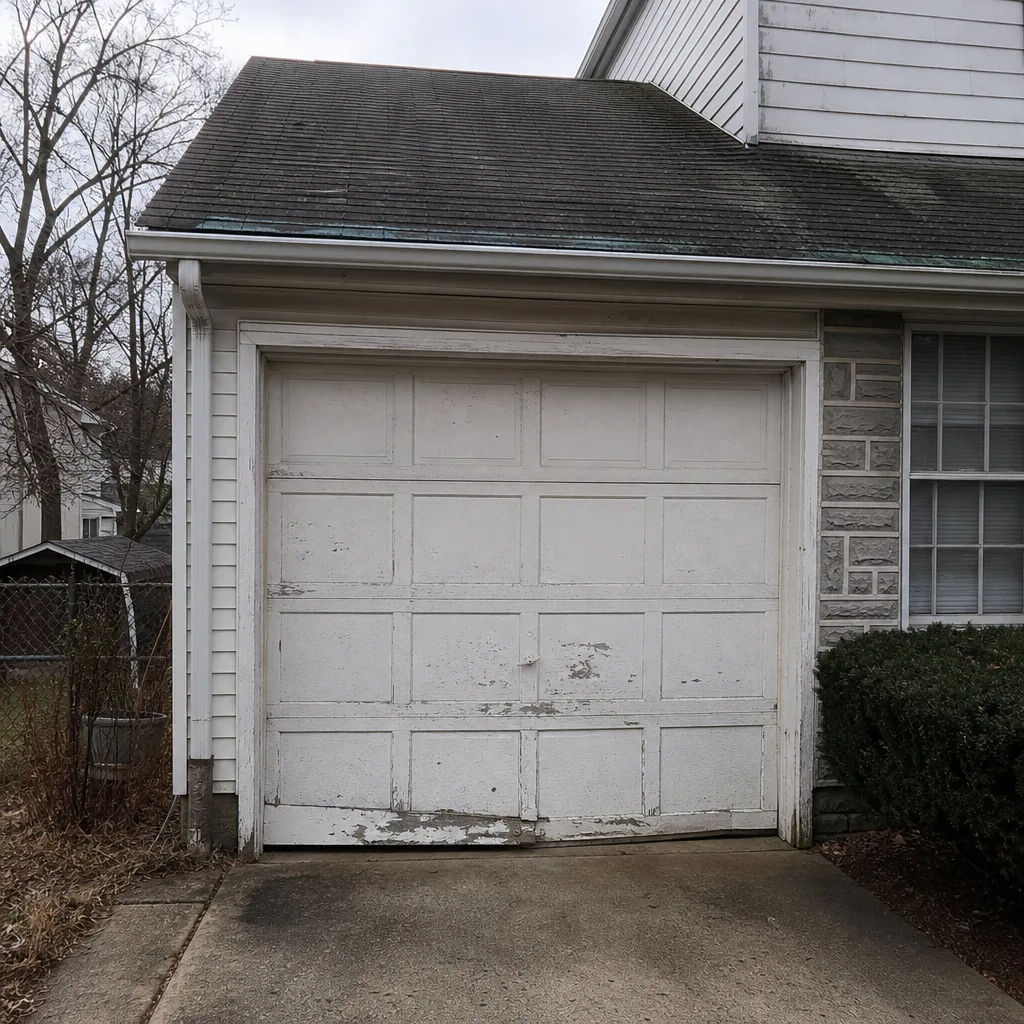 Before
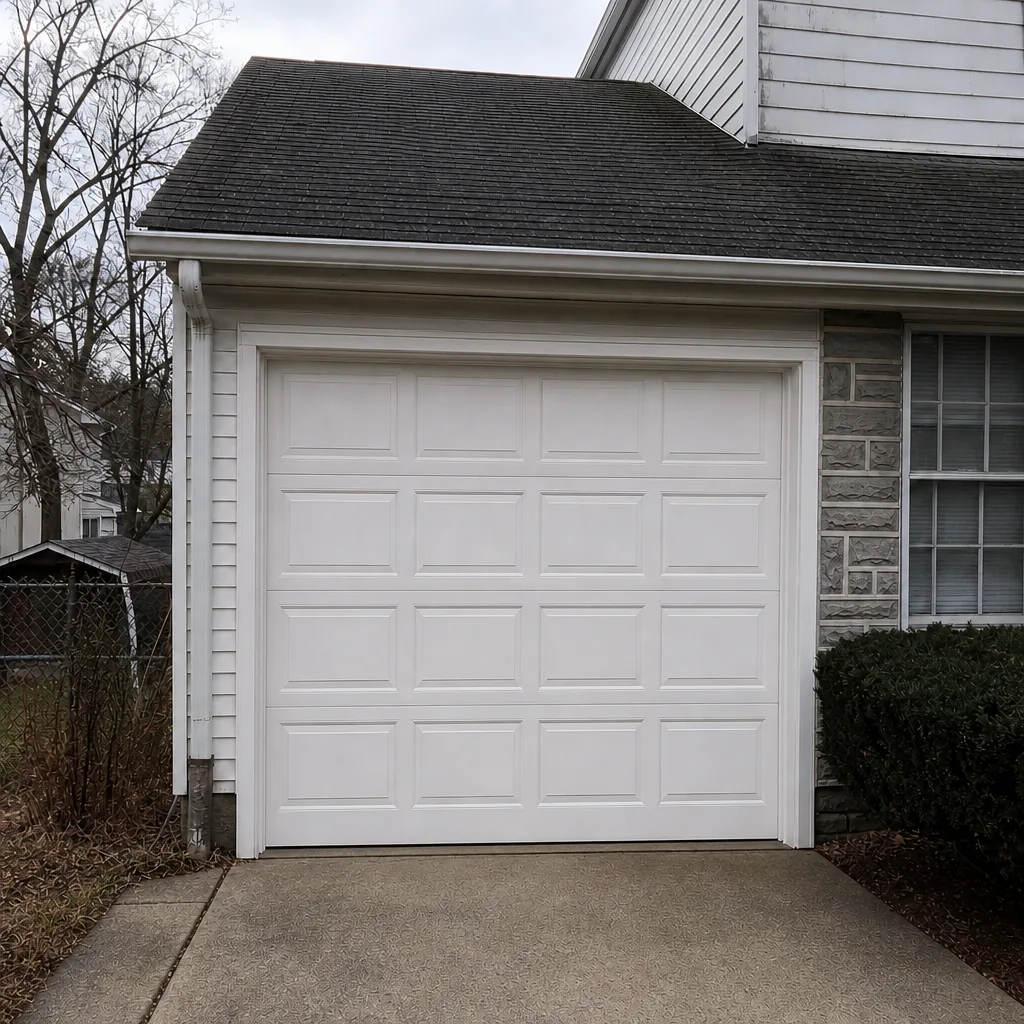 After
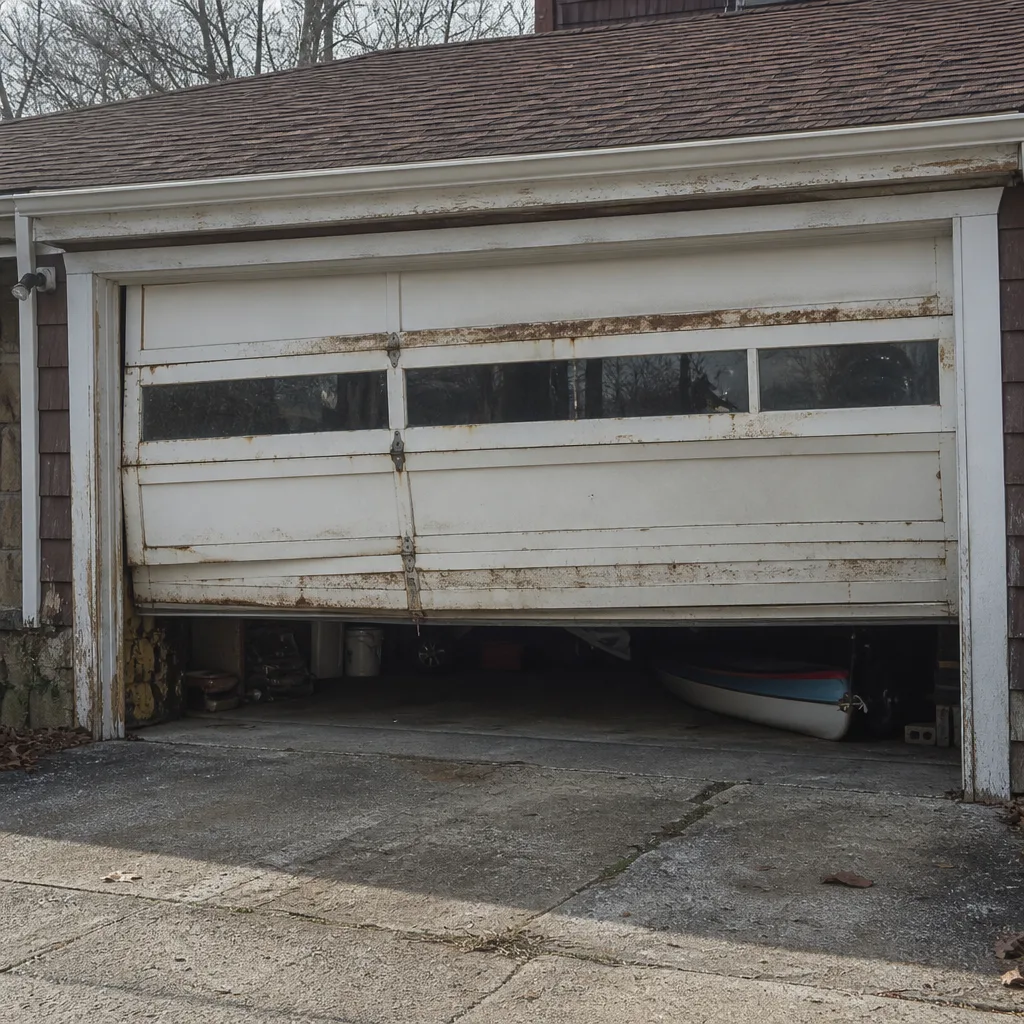 Before
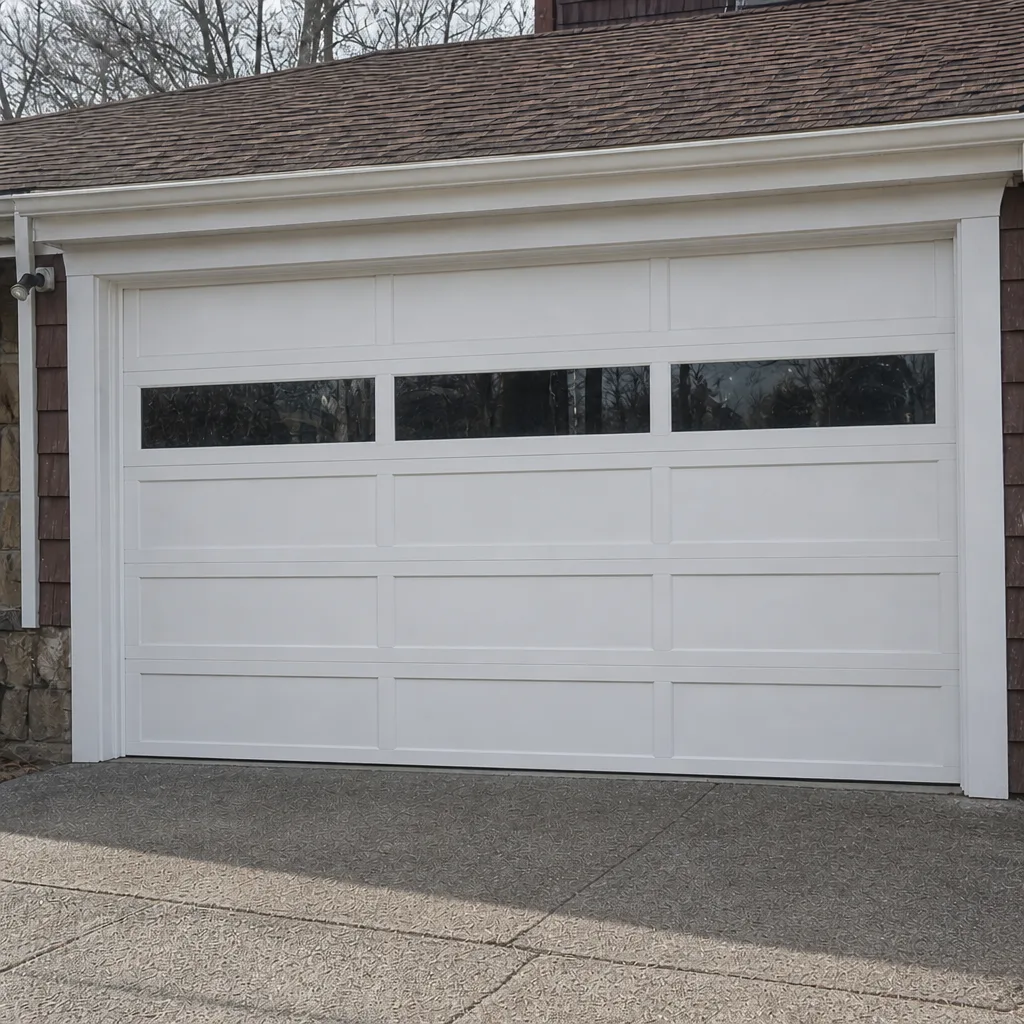 After
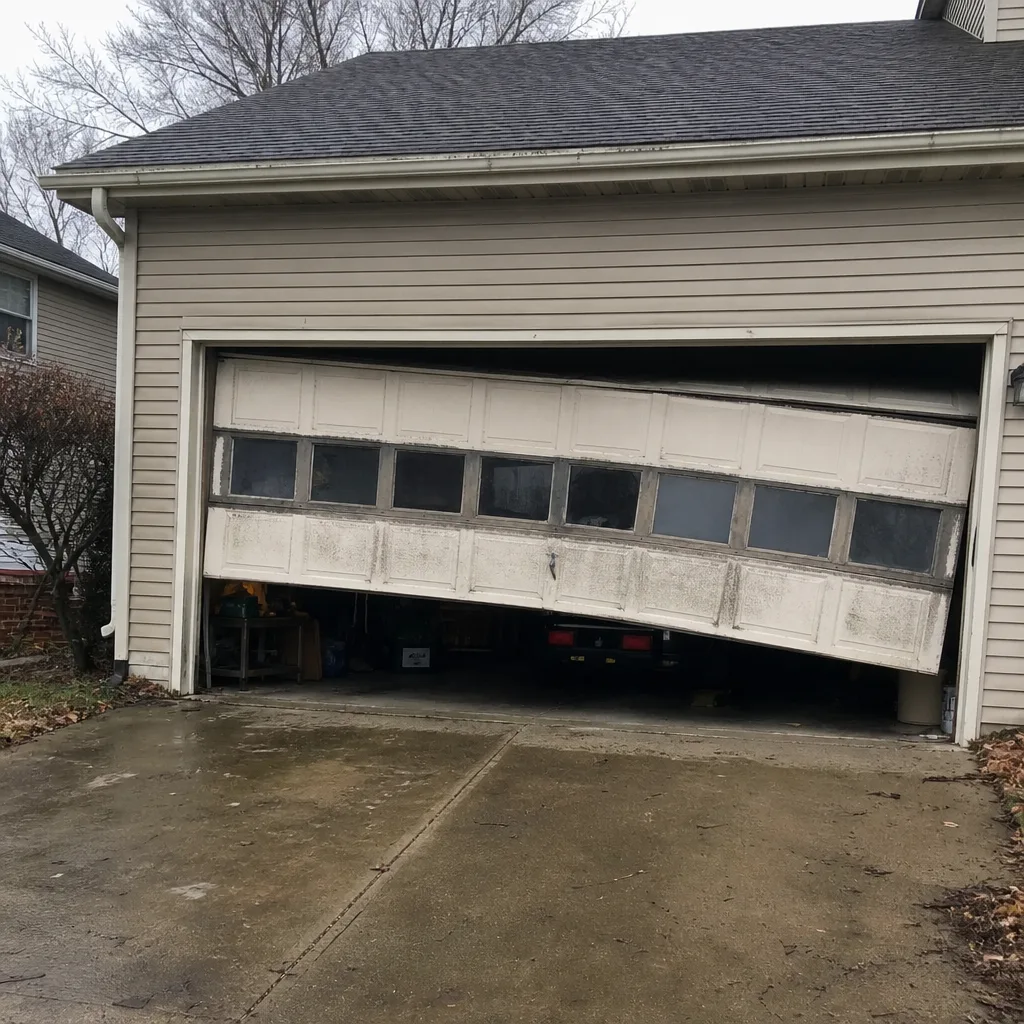 Before
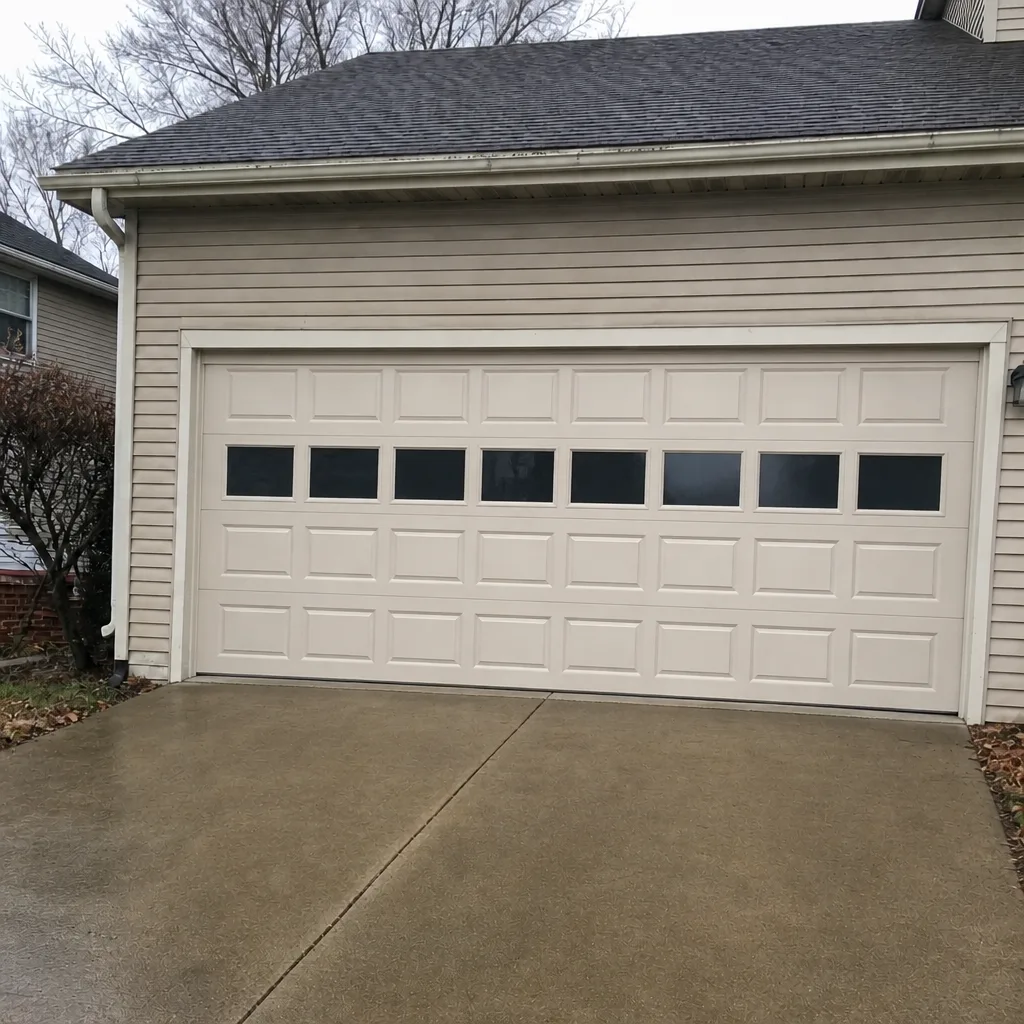 After
When to Call a Professional
Call a professional when you see a snapped spring, a cable off the drum, a door visibly off-track or crooked, a door that slams or free-falls, or a door that reverses unpredictably. Call when the door has started making new grinding or binding noises, moves unevenly, or feels heavier than it used to. Call when the opener runs but the door doesn’t, the remotes stop responding, or the safety sensors reverse the door every time. And call when the warning signs are piling up together, even if none of them feels urgent on its own.
Reading Garage Door Repair Pros offers free estimates in Reading – call (844) 660-0516. We answer 24/7. Fast dispatch from 7am to 7pm, Sunday through Friday, and every price is quoted and agreed before any work starts. If you’re weighing a repair against a replacement, our garage door installation service covers the full picture, and we’ll tell you honestly which one fits.
Frequently Asked Questions
A new or worsening noise is usually the first sign, and the most common specific one is a creak or pop near the torsion spring as it fatigues. Grinding rollers or a binding track follow closely. If you hear any of these, book a repair before the door stops working. Call (844) 660-0516 for a free estimate.
A broken torsion spring shows a visible gap in the coil and the door will feel unusually heavy or won’t lift. A worn or fatiguing spring usually creaks, pops, or sags, and the coils may widen. If you see a gap or the door won’t lift, stop using it and call a professional – never test a spring by hand. Call (844) 660-0516.
It depends on the sign. Slow, noisy, or uneven movement usually allows a day or two to schedule a repair. A snapped spring, a cable off the drum, an off-track door, or a door that slams or reverses unpredictably means stop using it now and call. (844) 660-0516 gets a technician on the schedule.
Grinding usually comes from worn rollers, a dry or misaligned track, or a bent track section. It’s rarely the opener itself. Grinding gets worse over time and can pull the door off its rollers, so it’s worth fixing early. Call (844) 660-0516 for a free estimate.
Yes. Cold hardens lubricant, contracts metal, and makes fatiguing springs more brittle, which is why spring failures cluster in the coldest weeks in Reading. Freeze-thaw movement also shifts the slab and can put a door slightly off-track. A seasonal check-in at the change of seasons catches most of it. Call (844) 660-0516.
Tell us what the door is doing, what it sounds like and where, when you first noticed it, what you can see (broken spring, bent track, sensor light), and the door and opener brand. A photo from a safe distance helps. That description shortens the diagnosis and gets the right parts on the visit. Call (844) 660-0516.
The Bottom Line
A garage door that’s about to fail usually tells you three times before it does: by sound, by sight, and by movement. Learning to read those signals turns an emergency into a scheduled repair, and it keeps you from forcing a door that should stay shut. Check springs and cables with your eyes from the floor, listen for change, note anything you can describe clearly, and don’t discount the local climate. In Reading, hot summers, cold winters, and freeze-thaw cycles speed up spring failure and track misalignment, so a seasonal check-in is worth the two minutes. When a red-line sign shows up, stop and call a specialist. Reading Garage Door Repair Pros offers free estimates – call (844) 660-0516, and we’ll help you tell a warning sign from a breakdown before it strands your car.
Written by the team at Reading Garage Door Repair Pros.