
Last updated November 20, 2026
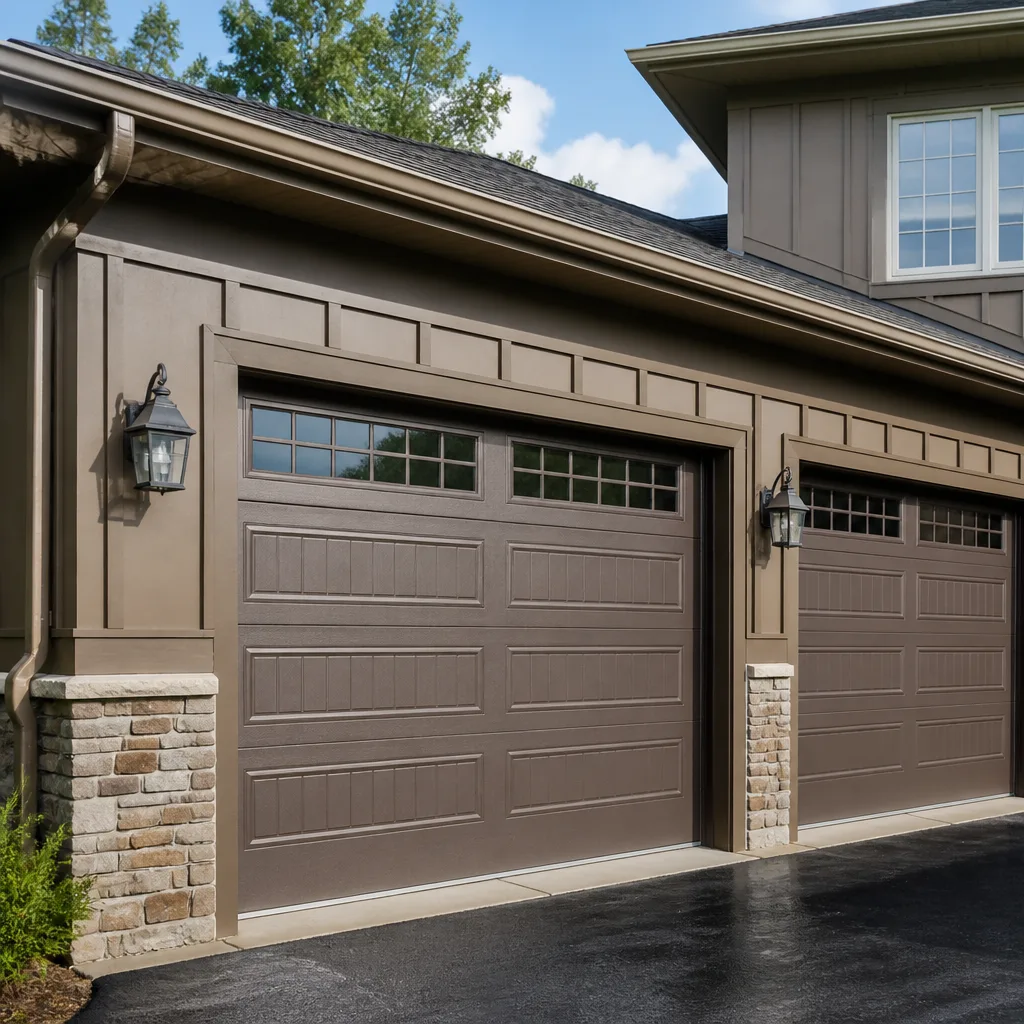
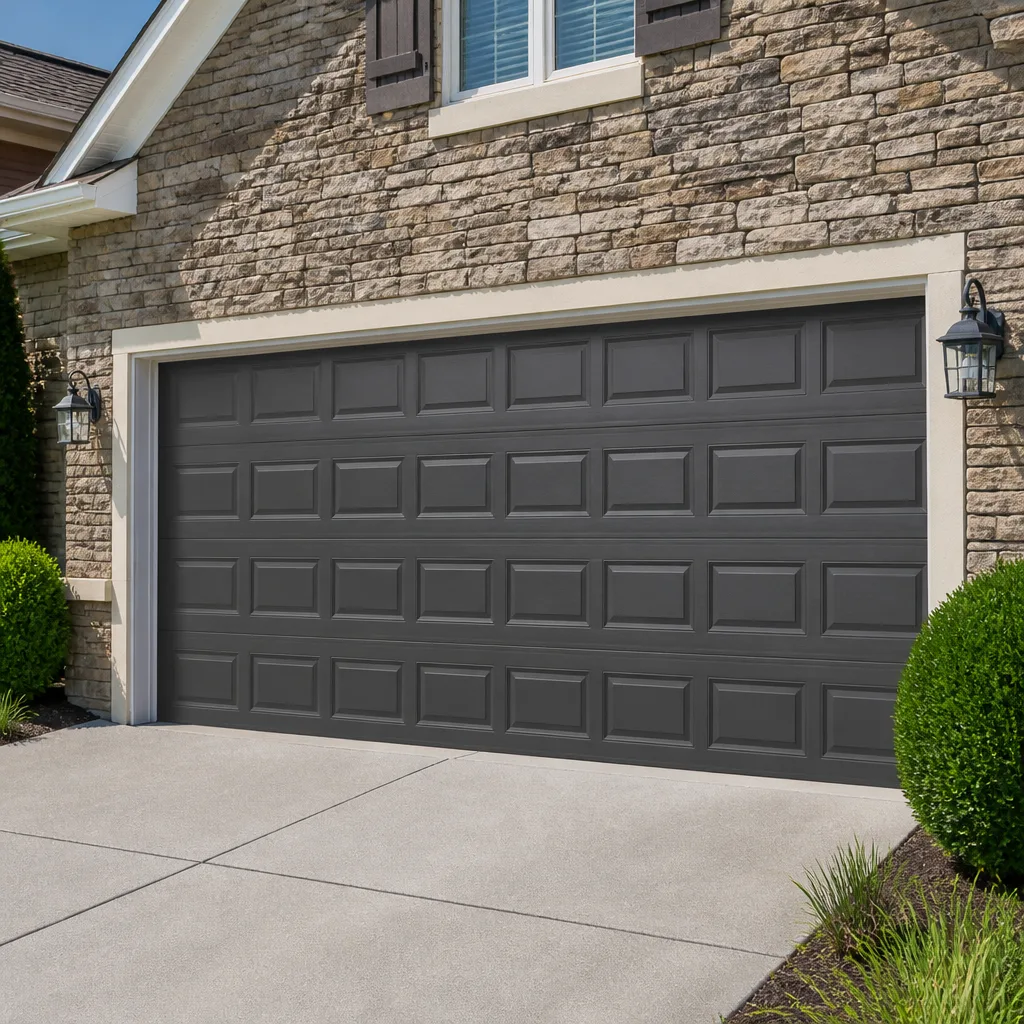 Raised-panel steel
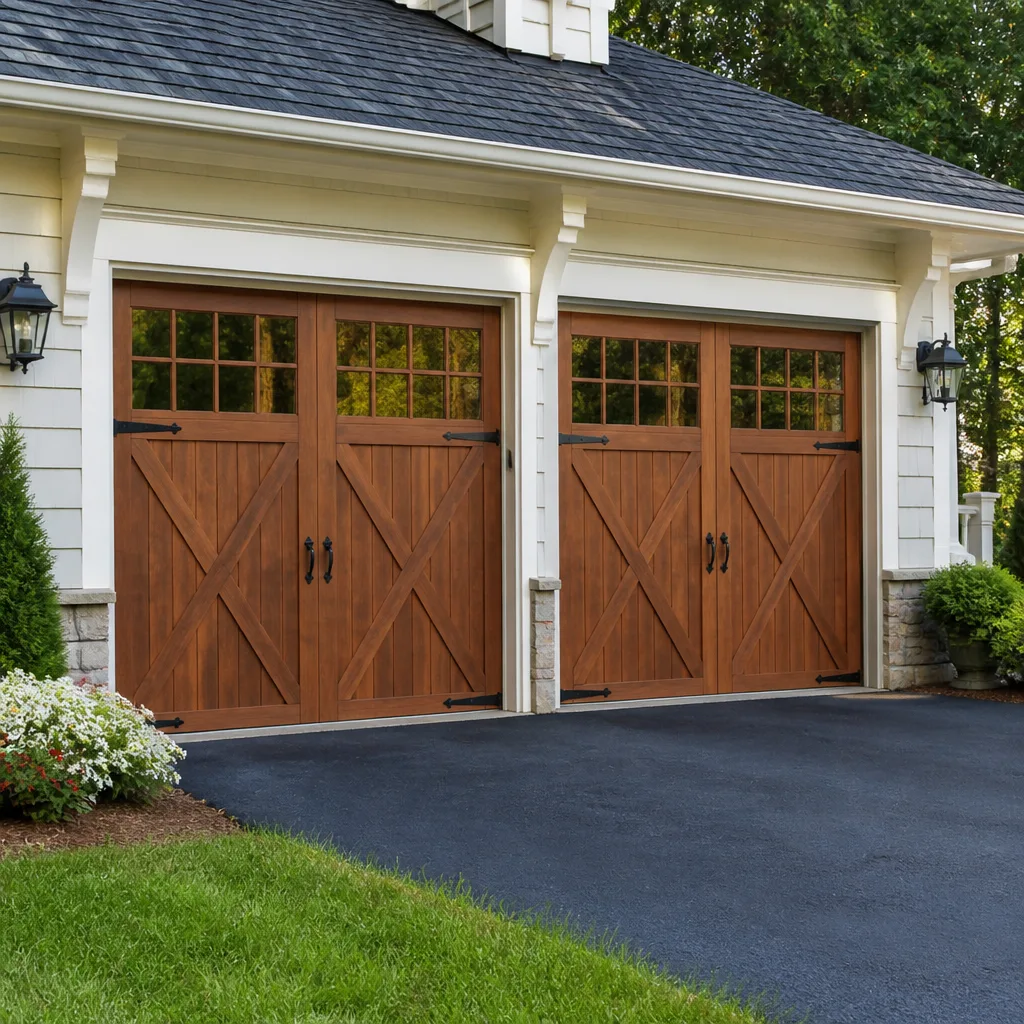 Carriage house
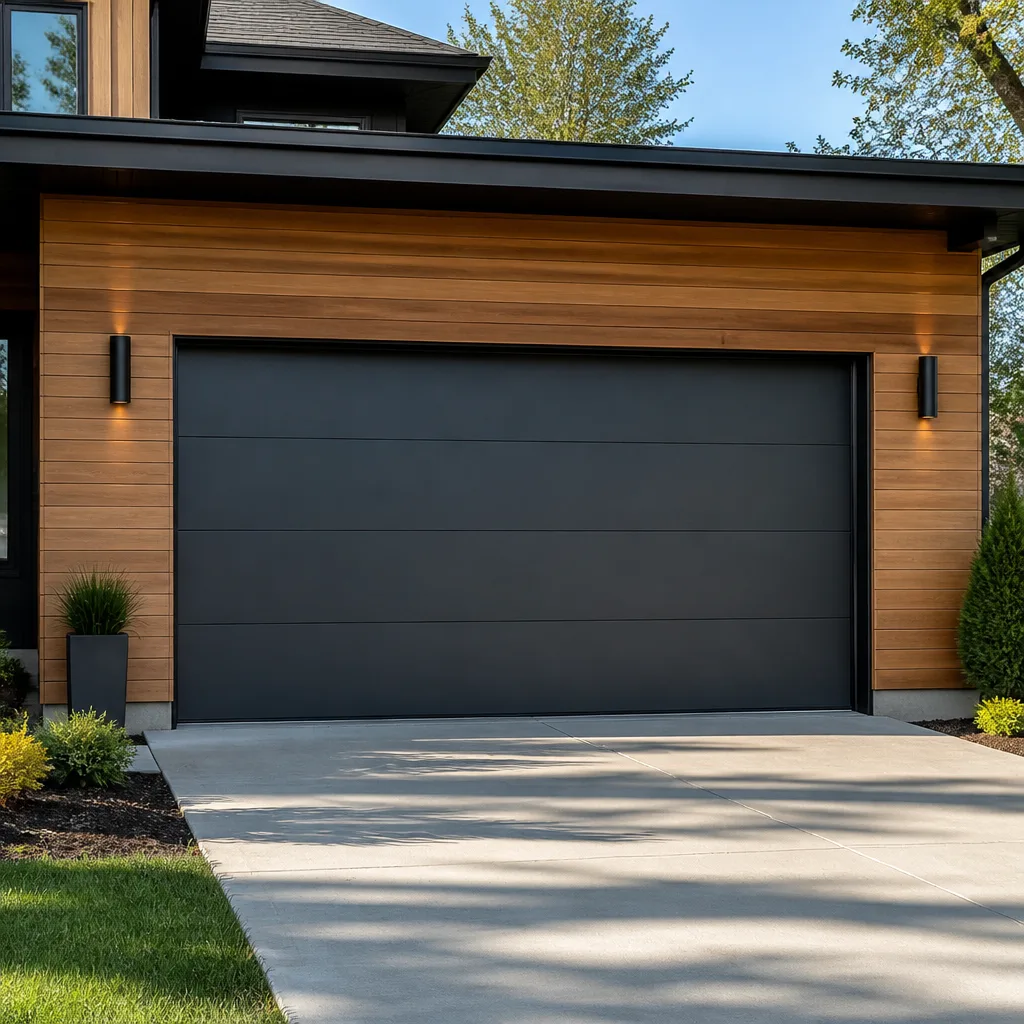 Modern flush
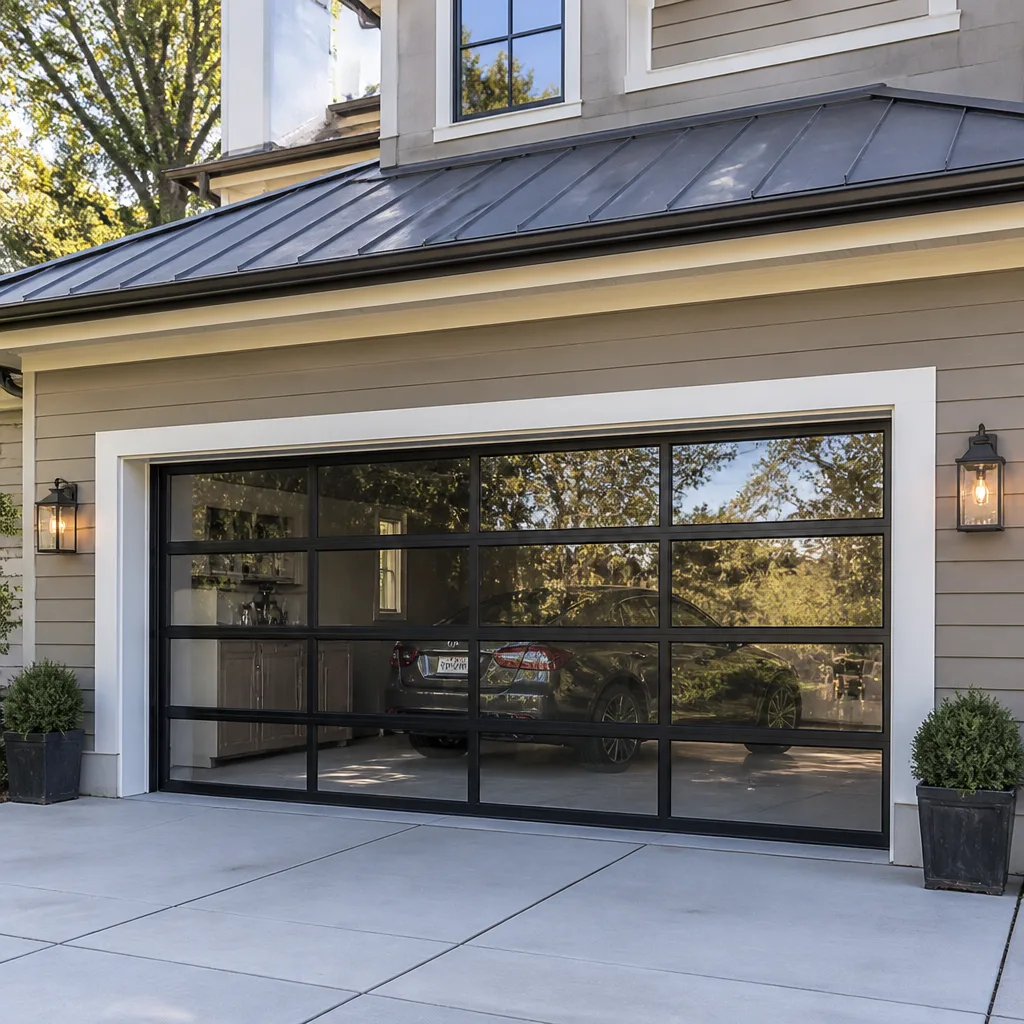 Full-view glass
 LiftMaster openers
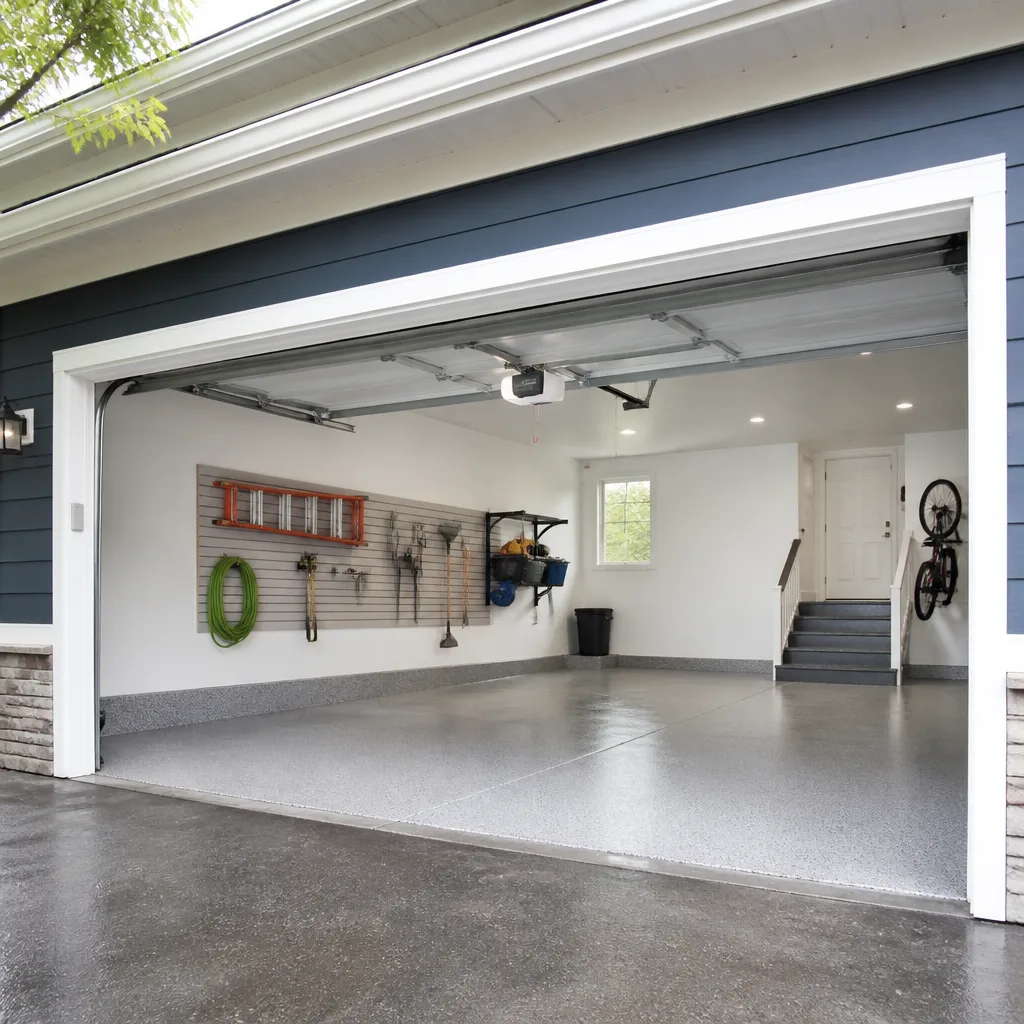 Chamberlain openers
Full 25-point door and opener safety check with every visit - springs, cables, rollers, tracks, and your LiftMaster or Chamberlain opener included
You get a price before we start. It does not change when the pro arrives.
Get your free estimateSeasonal Garage Door Care for Reading: Year-Round Homeowner’s Guide
Most homeowners assume a garage door fails because it got old. In our experience across Reading, the opposite is usually true: the door fails because one small part was ignored until the weather turned. Reading sits in a valley with four sharply different seasons, and each one loads a different component. Summer heat bakes a west-facing steel panel. Fall leaves and grit grind into the rollers. Winter freezes the bottom seal to the slab and pushes opener force limits. Spring thaw reveals what the ice did to your cables. This guide walks through a year of care built around that rotation, so you know what to check, what to lube, and what to leave to a technician.
Styles & brands we work with
- Raised-panel steel
- Carriage house
- Modern flush
- Full-view glass
- LiftMaster openers
- Chamberlain openers
Quick Answer
Garage door care in Reading follows the seasons: lubricate rollers, hinges and springs in fall before the first freeze, adjust opener force settings in winter when temperatures drop below 20°F, inspect seals and cables in spring after the thaw, and protect sun-facing finishes in summer. Lubrication and visual checks are safe to do yourself. Spring tension adjustment, cable replacement, and opener force recalibration on stuck doors are jobs for a trained technician.
Table of Contents
- Why Reading’s Four Seasons Stress Your Door Differently
- Fall Prep: Lubrication and the Tension Check That Prevents Freeze-Ups
- Winter: Why Opener Force Settings Need Attention in Sub-20°F Cold
- Spring: The Post-Winter Inspection Sequence
- Summer: How West-Facing Sun Ages a Steel Door
- What’s Genuinely DIY-Safe Each Season (and What Never Is)
- Common Mistakes to Avoid
- When to Call a Professional
- Frequently Asked Questions
- The Bottom Line
Why Reading’s Four Seasons Stress Your Door Differently
Reading sits in a valley between the hills of Berks County, and that geography gives us a climate that swings hard in both directions. Summers push into the 90s, and winters routinely drop into the teens and single digits. The garage is the one room in your house that takes the full force of every swing. It’s not climate-controlled. It takes the direct heat, the direct cold, and every freeze-thaw cycle in between. Reading gets plenty of freeze-thaw cycles through February and March, when the daytime sun warms the door and the overnight cold drops it again.
What that means for your door is simple: the metal, the rubber, the springs, and the opener’s electronics all expand, contract, and flex at different rates. A torsion spring that’s adjusted in July is under different tension in January. A bottom seal that fits snug in October can stiffen and stick in a hard freeze. An opener that glides up the rail in spring can strain against a door that’s frozen to the floor in deep winter.
Most garage door systems share the same basic parts regardless of brand, so the seasonal care calendar applies whether you own a Craftsman chain-drive unit or a LiftMaster belt-drive with a MyQ smart controller. We work on the brand already in your garage, and the parts wear the same way. If you build your care routine around the four seasons instead of reacting to failures, you’ll spend less time dealing with stuck doors and more time using your garage for what it’s actually for. If you’re in Laureldale, Mount Penn, Shillington, or Wyomissing, the timing below is the same, but the sun exposure on a lot in Muhlenberg Township can be harsher than a shaded street off Penn Avenue in Reading.
Fall Prep: Lubrication and the Tension Check That Prevents Freeze-Ups
Fall is the most important season in the calendar. The work you do in October and early November determines whether your door sails through January or calls for help in the first hard freeze. The critical tasks are lubrication and a visual spring tension check, both of which you can do safely from the ground without touching the spring or the cables.
The single best product for most of the door is a silicone-based spray lubricant (WD-40 Specialist Silicone, 3-IN-ONE Garage Door Lube, or a lithium grease spray for heavier use). Avoid standard WD-40 for lubricating rollers and hinges; it’s a penetrant, not a long-term lubricant, and it will wash out with the first fall rain that gets into an unsealed garage. Use white lithium grease for the opener’s rail and lead screw if it has one. For torsion springs, use a dedicated spring lubricant, not a first-aid grade spray, and apply it lightly.
Here’s the fall sequence we recommend for Reading homeowners:
- Lubricate all roller stems at every hinge point on both sides of the door. Nylon rollers get the stems lubed; steel rollers get the stems and a light coat on the bearing surface. This is what prevents the squeak that turns into a seized roller by February.
- Lubricate every hinge pivot along the door’s hinge line. A single spritz per hinge, worked in with the door opened and closed once, is enough. No drips.
- Lubricate the torsion springs lightly with a spring-specific spray. The oil prevents rust from forming on the coils. That rust is what locks a spring from doing its job in cold weather.
- Lubricate the opener’s rail or lead screw with white lithium grease. Follow the manufacturer’s instructions in the manual for your model, whether it’s a Chamberlain, Genie, or Raynor unit.
- Spray the lock cylinder (if your door has one) with graphite or a dry-film lock lubricant. This is separate from the door lube.
- Wipe down the bottom seal with a silicone spray on the rubber. This stops the seal from freezing to the slab and tearing repeatedly over the winter.
Once the door is lubricated, do a visual spring tension check without touching it. Open and close the door by hand (with the opener disconnected). If it opens and closes smoothly and stays partially open around halfway, the springs are still doing their job. If it feels much heavier than it did in summer, the springs are losing tension. That’s an adjustment call, not a DIY fix. Springs are the most dangerous part of any door, and only a trained technician should adjust tension or replace them. Our technicians have up to 15 years of experience with torsion and extension springs, and we treat spring work as a core service rather than an upsell. If anything about your fall check feels wrong, that’s the time to book a professional garage door spring repair before the freeze hits.
Winter: Why Opener Force Settings Need Attention in Sub-20°F Cold
When the outdoor temperature drops below 20°F, the seals on your garage door stiffen, the grease in the rollers thickens, and the metal in the door and rails contracts slightly. The opener has to work harder for the same result. If its force limit is set for summer performance, it will trip and reverse mid-cycle. The door goes up a foot and comes back down. You press the button again, and it does the same thing. That’s the opener telling you it hit its safe limit, not a dead motor.
Adjusting the force setting on your own opener is a common household task, but it’s one we strongly recommend you do from the ground with the door disconnected from the opener, and only if your model’s manual clearly describes the process. Newer LiftMaster and Chamberlain units with MyQ smart controllers usually handle force adjustments in the smartphone app, not on the back panel. Older Genie and Raynor units often use small adjustment screws or dials on the opener housing. On some units, force is set by holding a button until the LED flashes twice. On others, you turn a screw a quarter turn at a time. If you’re not sure which you have, check the manual or call a technician instead of guessing.
The core winter checks for Reading:
- Test the force setting by placing a 2×4 flat on the floor and closing the door on it. If the door doesn’t reverse immediately on contact, the force is set too high or the safety reverse is failing.
- Test the safety sensors with a straight-edge or a foot in the beam while the door is closing. If it doesn’t reverse, that’s a safety failure and the door needs service before continued use.
- Check for ice on the threshold after a storm. A thin sheet of ice under the bottom seal will stop the door and trip the force limit.
- Watch for prolonged cycling. If the door takes noticeably longer to open in cold weather, don’t ignore it. The opener is straining.
If your door stalls in a January freeze and you can’t get it to close, that’s a same-day call for us. We answer 24/7, with fast dispatch from 7am to 7pm, Sunday through Friday. That dispatch line is what gets a Reading homeowner back to work when the car is trapped inside.
Spring: The Post-Winter Inspection Sequence
Spring in Reading means thaw, and thaw reveals what winter did. The ground shifts, water pools against the garage slab, and every freeze-thaw cycle through February leaves a mark on the rubber, the cables, and the steel. This is the season for a full inspection, done from the ground, with attention to three specific areas.
Start with the bottom seal. Run your hand along the rubber at the base of the door (gloves on, door down). If it’s cracked, brittle, or separated from its track, that seal needs replacement. A torn seal lets water and cold air into the garage, and in a Reading spring it’s the most common cause of a wet garage floor. Look specifically at the corners: that’s where the seal tears first.
Next, look at the torsion bar across the top of the door (not the springs themselves). Surface rust on the torsion bar is normal; deep pitting or flaking is not, and it usually signals moisture getting into the garage from a failing seal or a roof leak. Wipe it lightly with a dry cloth and check again in two weeks. Rust that returns immediately means water is entering the system.
Then inspect the cables on both sides of the door. You’re looking for fraying, kinks, or loosening. Run your eyes up the full length, not just the visible bottom section. If you see any fraying or a cable that has jumped off its drum, stop using the door and call a technician. Cables under tension are dangerous to handle, and this isn’t a repair that’s safe to approach with hand tools from a hardware store.
A spring check sequence looks like this:
- Visual pass on the seals: bottom seal, side seals (if fitted), top seal. Note any cracking, tearing, or stiffening.
- Visual pass on the torsion bar: rust, pitting, or moisture stains. Check the bearings across the bar.
- Visual pass on the cables: fraying, kinks, jumps off the drum, or slack. Do not touch a slack cable.
- Visual pass on the rollers: any cracked nylon, flat spots, or wobble. Any wobble is a roller replacement.
- Cycle test: run the door up and down three times and listen. Any grinding, popping, or uneven movement is worth a call.
If your post-winter inspection shows cable or spring concerns, that’s a same-day call. Our team handles both torsion and extension systems as a specialty. The dangerous repairs are the ones we do every day, and they’re the ones a generalist shouldn’t be attempting. For the cosmetic and routine items, you can book a scheduled garage door repair visit and we’ll inspect the full system on the same appointment.
Summer: How West-Facing Sun Ages a Steel Door
A considerable number of Reading garages face west or southwest, which means the door takes the direct afternoon sun from June through August. If your garage is on the exposed side of the house, that panel can hit 140°F to 160°F in the middle of a summer afternoon, and cool back down by midnight. That daily cycle is what ages the finish.
Steel garage doors are designed for it, but the paint and the baked-on finish are what protect the steel underneath. When the finish fails, moisture gets behind the paint and rust starts. The rust doesn’t show as a pinhole at first; it shows as a dulling of the color, a slight orange tint at the bottom panel, or paint lifting around the window frames. If you start to see any of that on the sun-facing side, it’s early. That’s the time for a fresh coat, not when the rust has worked through.
Summer maintenance, in order of importance:
- Wash the door with a mild detergent and a soft-bristle brush once during the season. Remove pollen, insect residue, and road dust. Rinse thoroughly and let it dry before closing.
- Inspect the paint or powder coat on the sun-facing panels. Look for dulling, chalking, or paint lifting around hardware.
- Touch up bare metal immediately with a color-matched touch-up paint if you find a chip, scratch, or screw head that’s started to rust. Rust spreads fast on steel.
- Check the inside face too. Sun heat radiates through the door and can lift interior insulation or vapor barrier tape on some doors.
- Clean the safety sensor lenses on both sides of the track. Summer dust, pollen, and spider webs are the most common reason a sensor fails in July.
- Test the auto-reverse again with a 2×4. Summer is when heat-related false trips show up more than winter.
If you’re considering replacing a sun-aged steel door rather than refinishing it, the spring and summer months are the right time to plan that. New installation means measuring, ordering, and scheduling. If your door is a Craftsman, Clopay, Amarr, Wayne Dalton, or any of the brands we’re factory-familiar with, garage door installation can be scheduled around the measurement. It’s worth a conversation in spring or early summer rather than waiting for the door to fail in a Reading snowstorm.
What’s Genuinely DIY-Safe Each Season (and What Never Is)
Homeowners ask us this constantly, and it’s a fair question. There’s a real line here, and it isn’t arbitrary. On one side are tasks that are safe, useful, and cheap to do yourself. On the other side are tasks that put you in the path of stored energy that can cause serious injury in an instant.
The pattern is consistent across each season:
- Fall DIY: lubrication of rollers, hinges, springs, and rail. Safe from the ground. Fall pro: spring tension adjustment and any spring replacement. Never DIY.
- Winter DIY: clearing ice from the threshold and testing the safety reverse function. Safe. Winter pro: opener force recalibration if the door is cycling or reversing and the simple fixes don’t resolve it. Never guess at force settings on a door that won’t reverse.
- Spring DIY: washing the door, replacing the bottom seal if it’s a simple screw-in style and you’re comfortable with basic tools. Spring pro: cable inspection beyond a visual look, any cable replacement, any tension release. Never touch a cable under tension.
- Summer DIY: washing, paint touch-up, cleaning safety sensor lenses. Safe. Summer pro: opener electronic diagnostics, rail alignment, or any repair involving the opener’s internal gears or limit switches. These are specialized.
The reason spring and cable work isn’t DIY is straightforward. The springs and cables on a garage door store enough energy to lift hundreds of pounds, and a mistake releases it suddenly. That’s why we handle spring repair as one of our primary services rather than treating it as an upsell. Our technicians have up to 15 years of experience with the tools and the discipline this work requires. If you’re not sure which side of the line a specific task falls on, ask before you start. The call is free. The injury isn’t.
For any opener issue that isn’t resolved by cleaning the sensors and checking the remote battery, a dedicated garage door opener repair visit is the right call. Opener electronics are where brand-specific knowledge saves time; a Genie or Raynor system diagnoses differently than a LiftMaster or Chamberlain unit. We work on the brand already in your garage, and we know where each one tends to fail.
Common Mistakes to Avoid
- Skipping fall lubrication because the door is “working fine.” The squeak that turns into a seized roller starts in October. By the time you hear it in January, you’re already behind. Lubricating in fall is the cheapest insurance your door has.
- Using standard WD-40 as a long-term lubricant. It’s a penetrant that washes out quickly and attracts dirt. Use it to break a stuck hinge loose if needed, then follow up with a real silicone or lithium lubricant.
- Increasing the opener force setting to solve a winter stall. If the door is stalling, the door is the problem, not the opener. Forcing the opener to muscle through adds wear and can hide a spring or roller issue until it’s more expensive to fix. Reading’s cold mornings expose every small problem in the door.
- Ignoring the bottom seal until water shows up. In a Reading spring thaw, a cracked seal means water on the garage floor. The floor then holds moisture through summer, and rust finds its way up the door’s bottom panel. Replacing the seal annually or biennially is far cheaper than refinishing the door.
- Treating a slack or frayed cable as a “watch it” situation. A cable that has jumped its drum is a serious safety risk. Stop using the door, call a technician, and don’t try to reattach it yourself.
- Waiting until November to schedule service. The first hard freeze is the busiest week of the year for garage door repair calls in Berks County, and it’s predictable. Book your fall check in September or October, and you won’t be waiting in a queue with everyone else.
- Assuming the opener is dead when it’s actually the sensor. Most “dead opener” calls in summer turn out to be a safety sensor with pollen or a spider web on the lens. Clean both lenses and re-test before assuming the motor is failing.
When to Call a Professional
Some situations are simply outside the safe DIY zone. Call us if:
- A torsion or extension spring has snapped. You’ll know because the door feels extremely heavy and the spring is visibly broken. Stop using the door.
- A cable has jumped its drum, is frayed, or is slack.
- The door has come off track, or one side is higher than the other when the door is up.
- The opener reverses mid-cycle in cold weather and basic cleaning and lubrication didn’t resolve it.
- The door won’t close at all, or won’t stay closed.
- You hear a loud bang from the garage and the door won’t open afterward. That’s usually a spring, and it’s a same-day call.
If the door is stuck open with a car inside, that’s the priority. Reading Garage Door Repair Pros offers free estimates in Reading. Call (844) 660-0516. We answer 24/7, and fast dispatch from 7am to 7pm, Sunday through Friday, gets a technician to you the same day.
Frequently Asked Questions
Lubricate at least twice a year, with a full lubrication in fall and a lighter pass in spring. Fall is the critical one because it prepares the door for the freeze-thaw months. If your door gets heavy use (a household with two cars and teenagers), a third lubrication in midsummer is worth the fifteen minutes it takes. The cheap spray cans from any Reading hardware store are fine for this job.
You can on some models, but only if your manual clearly describes the process and you’re working from the ground with the door disconnected. If the door is reversing mid-cycle, the safest move is to call a technician rather than raise the force. A higher force setting masks the real problem. Call (844) 660-0516 for an exact quote. Estimates are free.
Usually, the cold freezes the bottom seal to the garage floor, thickens the grease in the rollers, or trips the opener’s force limit. The fix is a combination of lubrication in fall, seal maintenance, and an opener force adjustment done safely. It’s rarely a dead motor. In a Reading January, this is the most common call we get, and it’s usually solvable the same day.
A typical single spring replacement runs $180-$340, and a matched pair, which is usually replaced together, runs about twice that at $360-$680. The written estimate sets the final price, and we quote it before any work starts. If you’re not sure whether you’ve lost one spring or both, a technician can confirm in a few minutes. Call (844) 660-0516 for an exact quote; estimates are free.
Spring or early summer. The measurement, ordering, and scheduling all go more smoothly in warmer weather, and the new door gets to cure and seal before the first freeze. Any Reading garage facing west should especially consider replacing a door in late spring, before the summer sun adds another season of wear to the finish. Installation is measured and scheduled, not same-day, so plan a few weeks ahead.
Yes. The local pro we connect you with is licensed and insured as their state requires, and our technicians have up to 15 years of experience with spring, opener, and full-door work. We handle torsion and extension springs as a core specialty, and we work on the brand already in your garage. Call (844) 660-0516 for an exact quote. Estimates are free.
The Bottom Line
Reading’s seasons don’t just change the temperature. They change which part of your garage door system is under the most stress, and a care schedule built around that rotation is what keeps the door working. Lubricate in fall, adjust force settings in winter, inspect seals and cables in spring, and protect the finish in summer. The DIY tasks are cheap and safe. The dangerous ones, particularly spring and cable work, are for a technician. If you’re on a west-facing street in Reading, or in Wyomissing, Shillington, or Muhlenberg Township, the same calendar applies. Build the routine and you’ll spend far less of it calling for help. Our technicians have up to 15 years of experience with the systems you own, and we’re ready to help if you need us.
Call (844) 660-0516 for a free estimate. We answer 24/7. Fast dispatch from 7am to 7pm, Sunday through Friday. If you’d like a starting point for everything we cover, start with Reading Garage Door Repair Pros.
Written by the team at Reading Garage Door Repair Pros.
See the difference
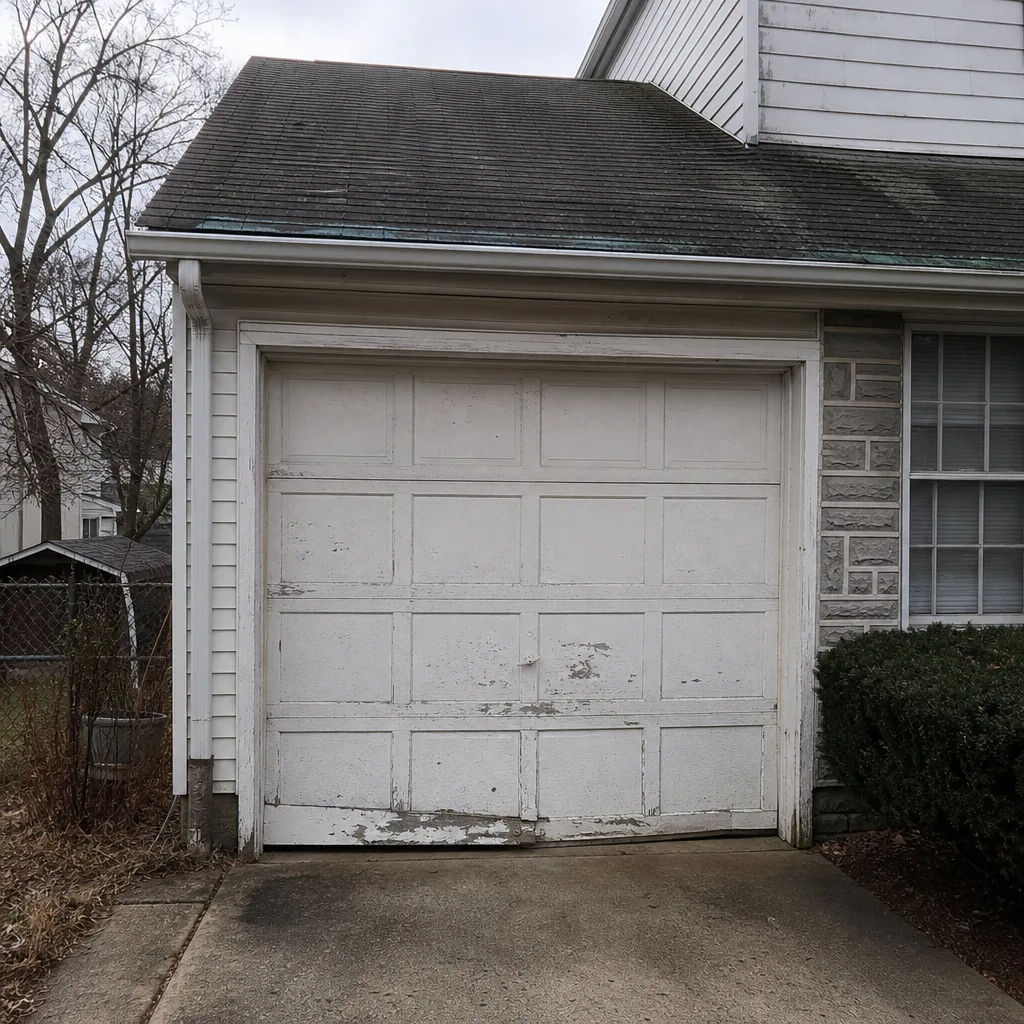 Before
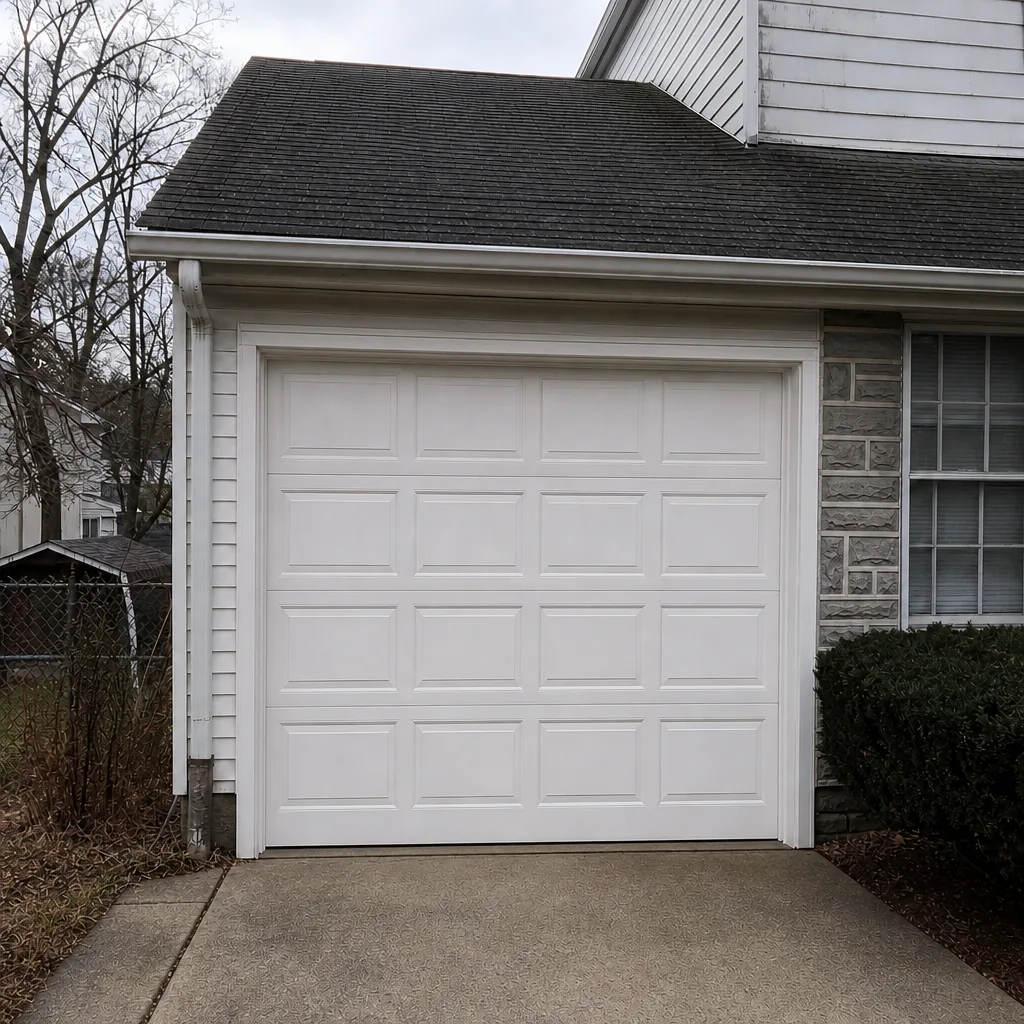 After
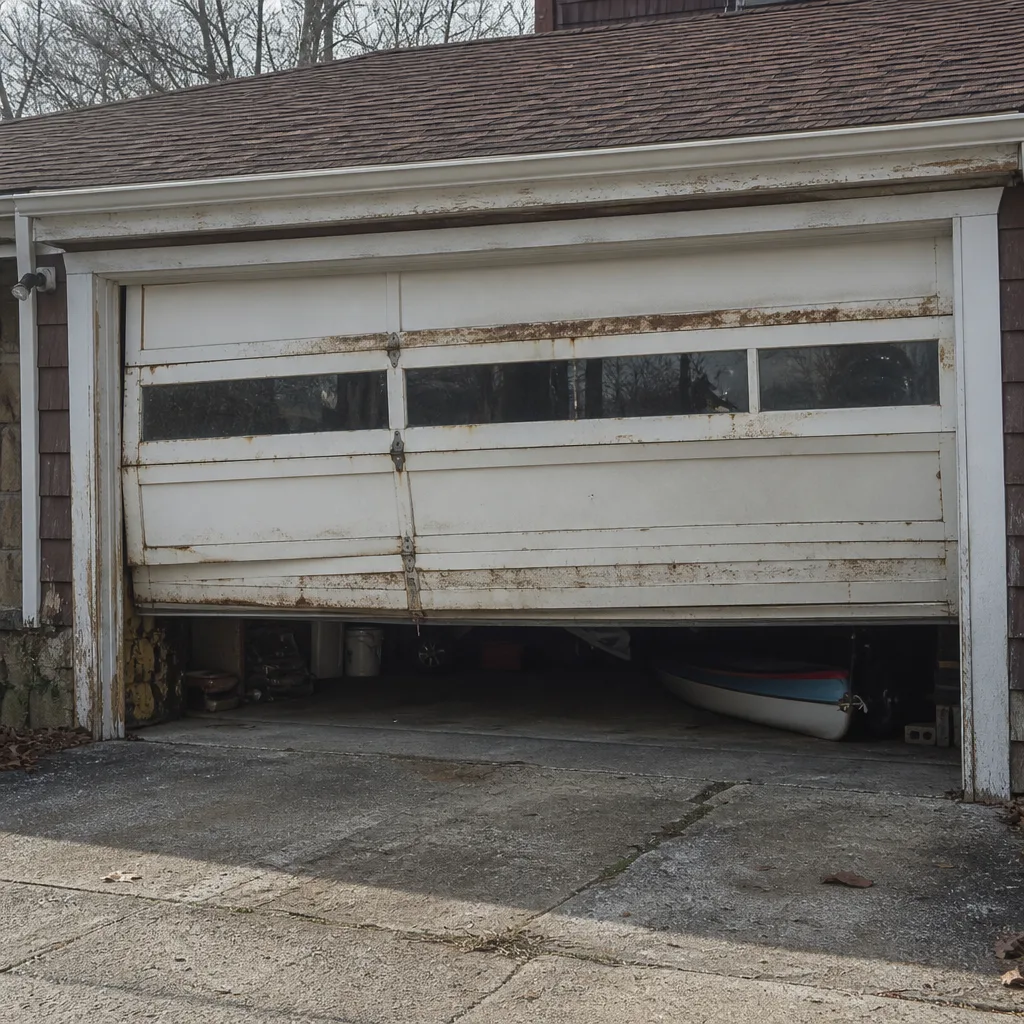 Before
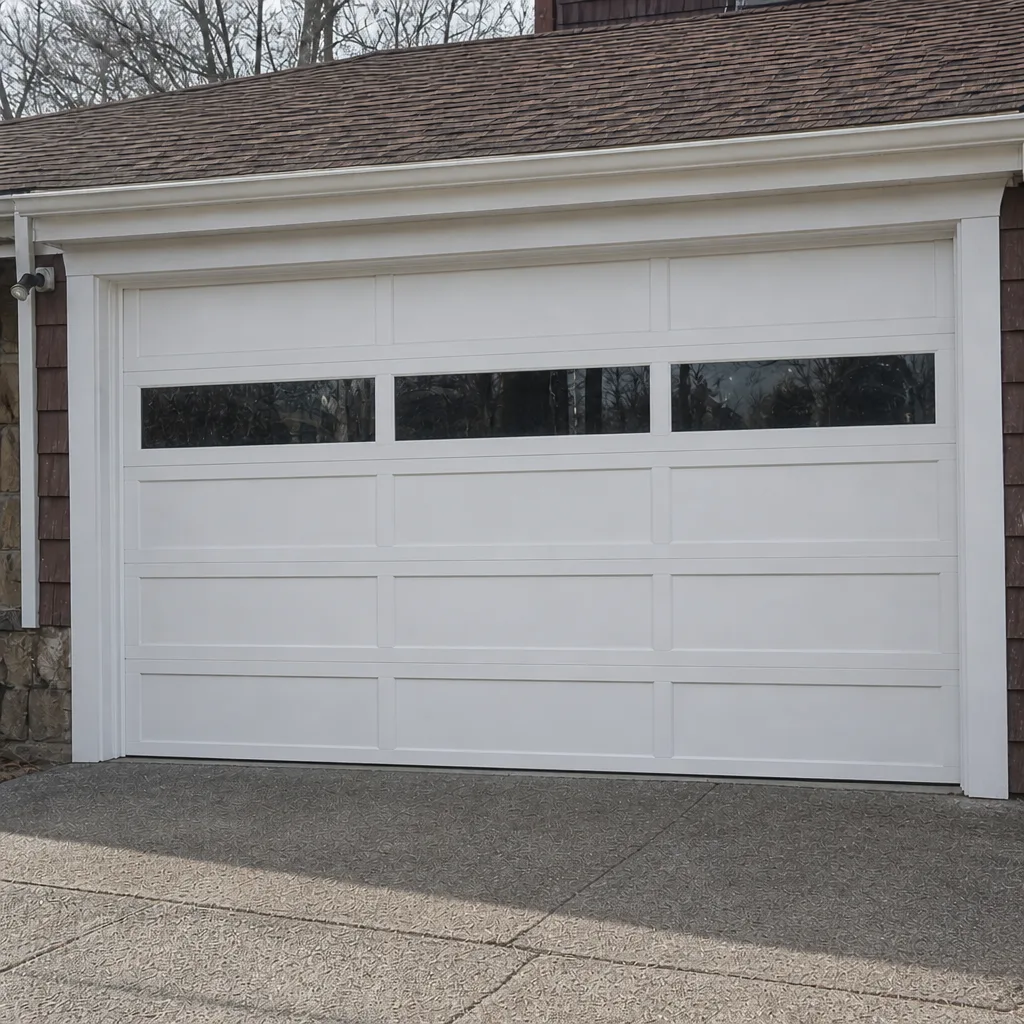 After
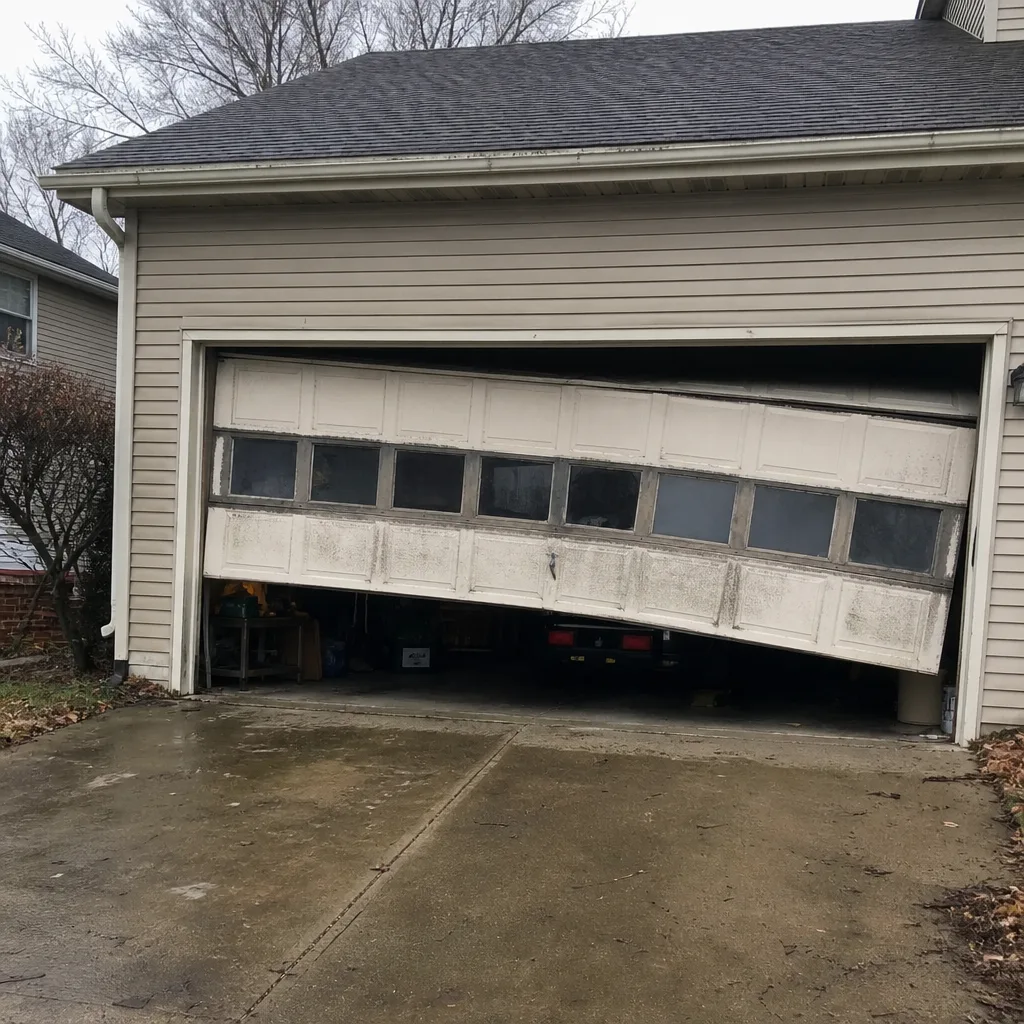 Before
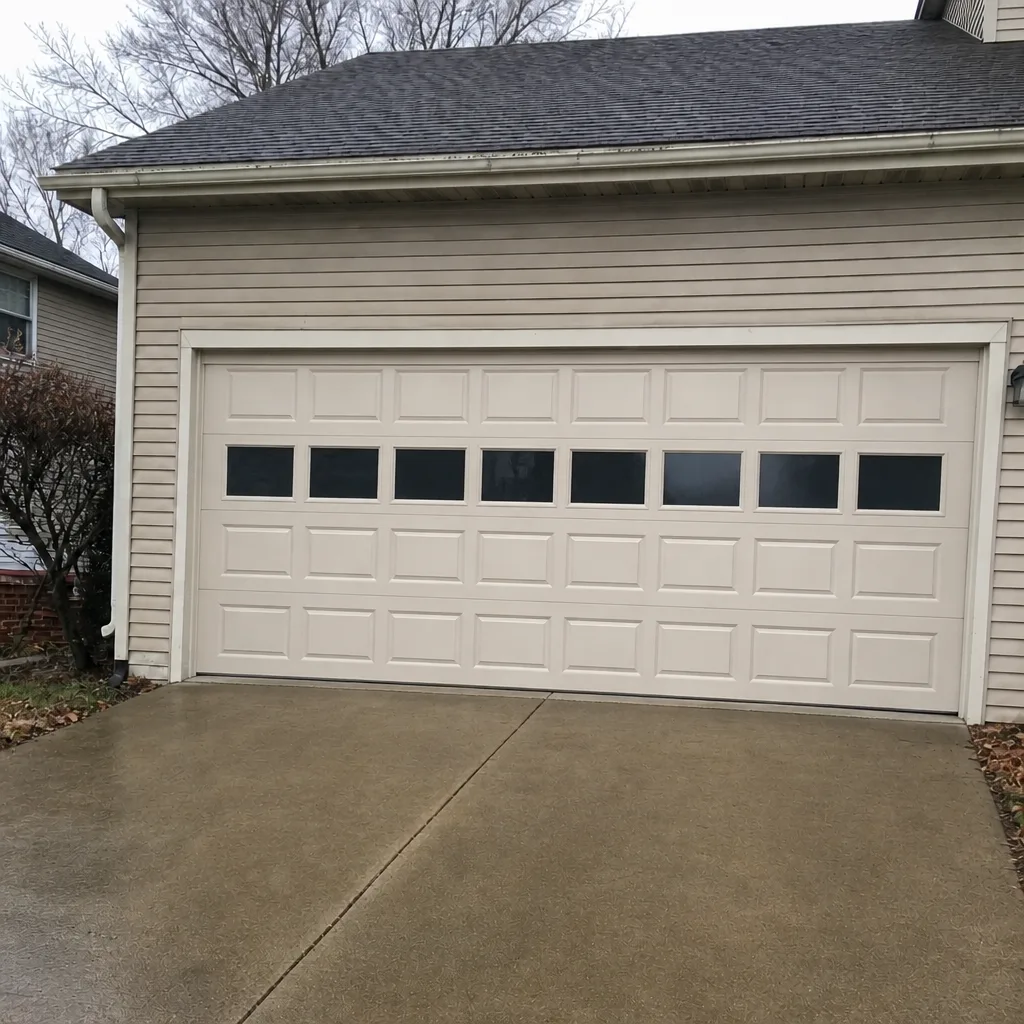 After