
Last updated November 20, 2026
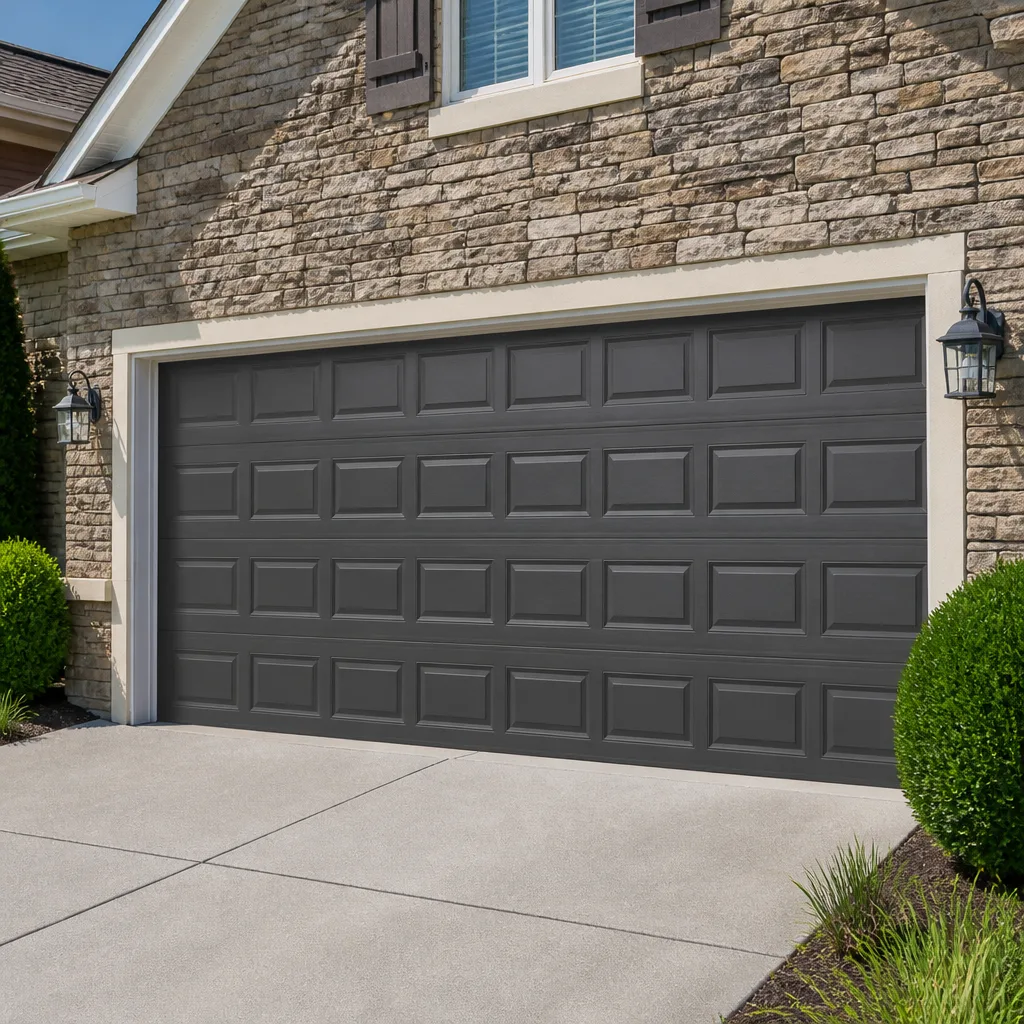 Raised-panel steel
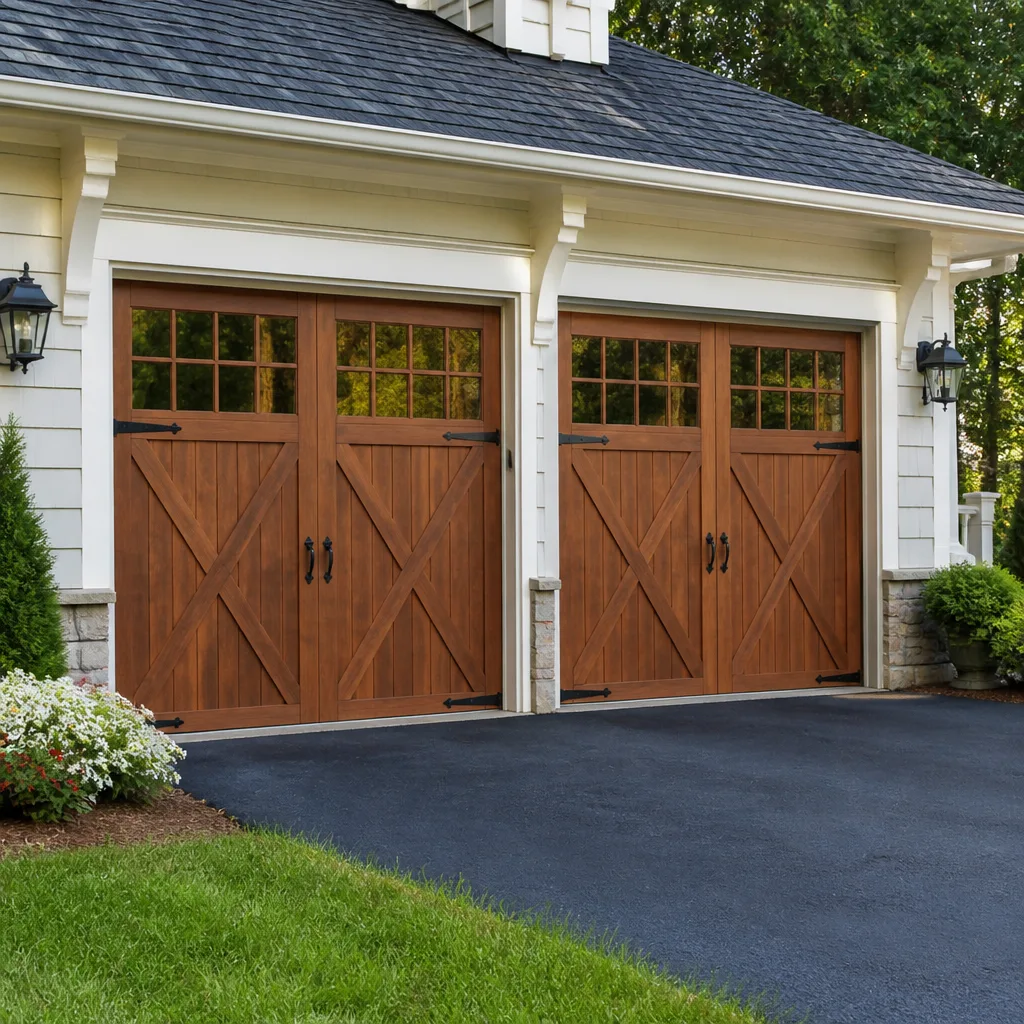 Carriage house
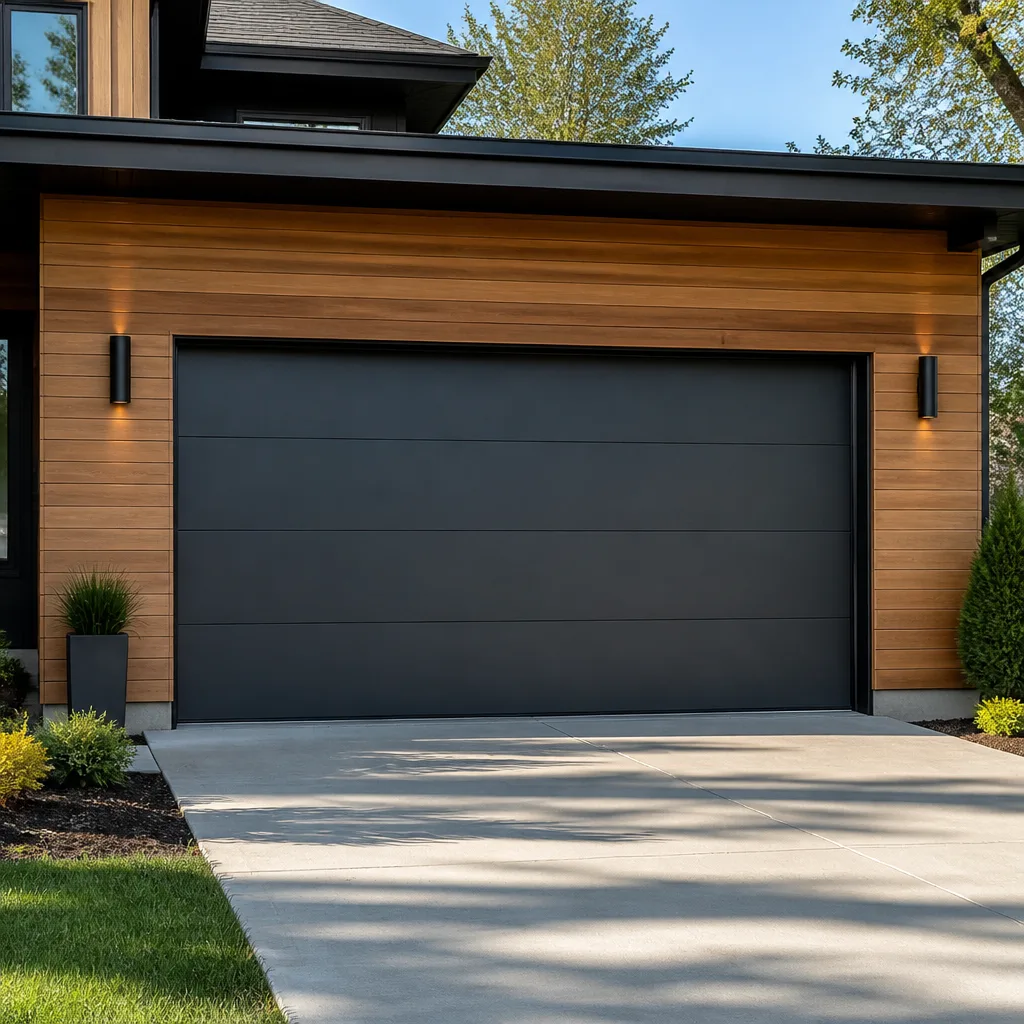 Modern flush
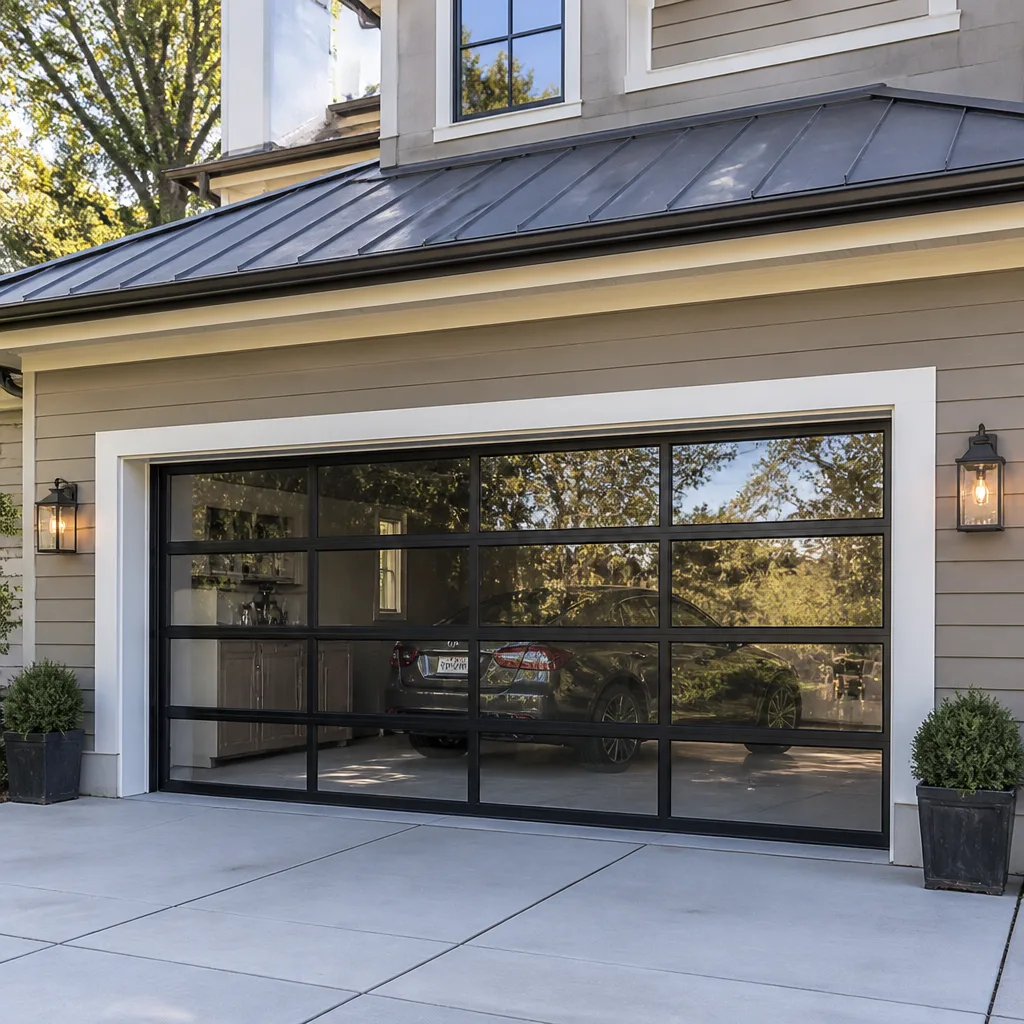 Full-view glass
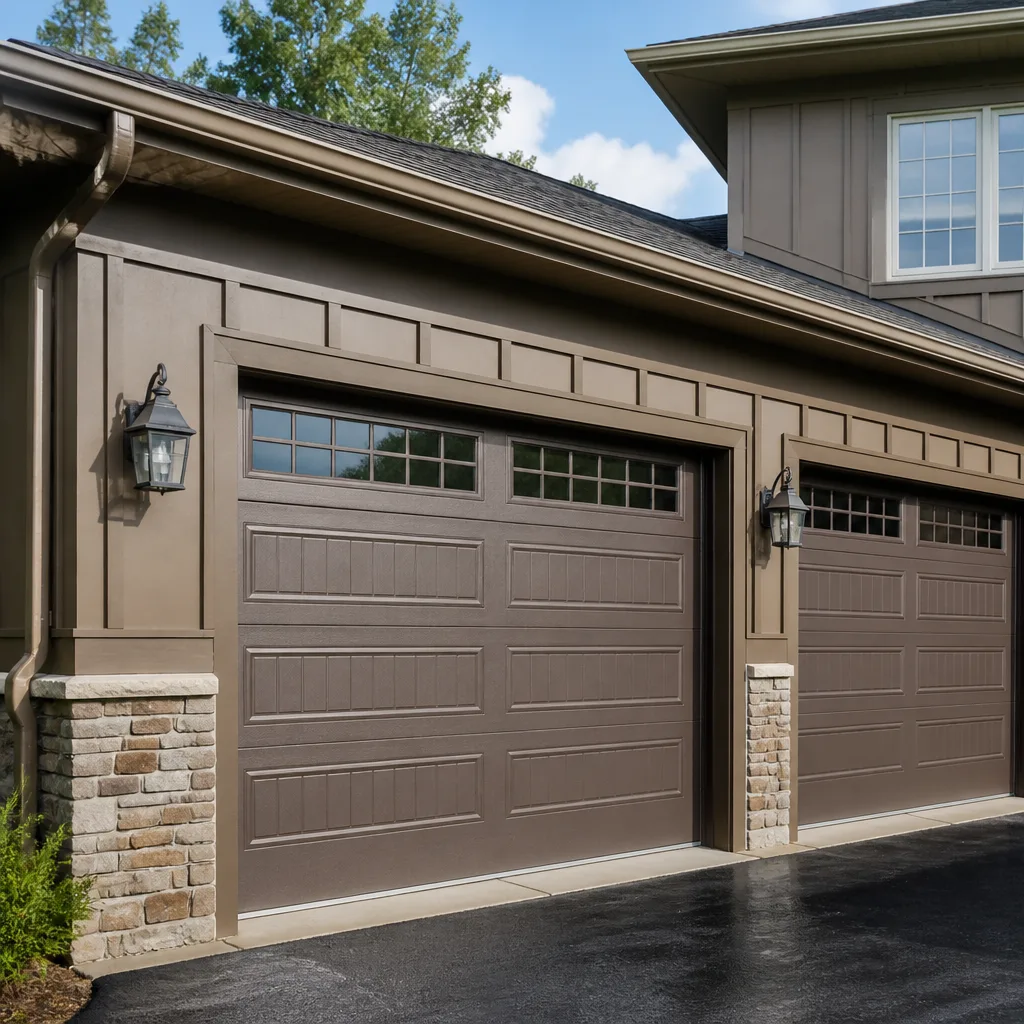 LiftMaster openers
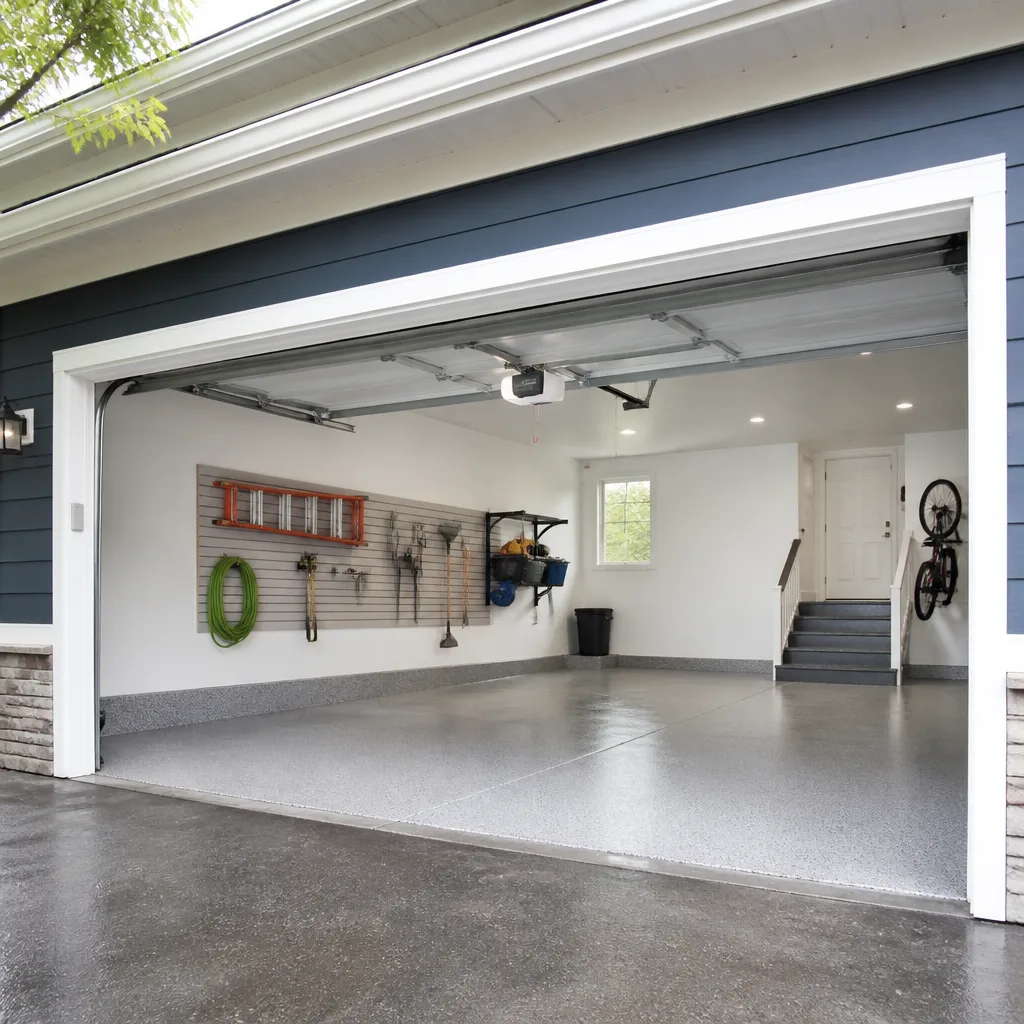 Chamberlain openers
Full 25-point door and opener safety check with every visit - springs, cables, rollers, tracks, and your LiftMaster or Chamberlain opener included
You get a price before we start. It does not change when the pro arrives.
Get your free estimateThe Complete Guide to Garage Doors in Reading
Most garage door guides are written for a generic suburban ranch in a mild climate. If your garage was built in 1962 and faces a northeast wind off the Schuylkill, that advice can cost you money fast. Reading has a housing stock that doesn’t match the national template: older attached garages tucked under rowhouse roofs, detached structures at the back of a lot, doors that have been adjusted a dozen times since they were installed. The freeze-thaw cycles that come through Berks County each winter put real stress on springs and tracks, and the humid summers loosen what winter tightened. This guide maps every major decision you’ll face, from spring gauge to insulation to opener drive type, to the conditions your garage actually lives in. Read it before you spend a dollar.
Quick Answer
A garage door in Reading needs three things the national guides ignore: springs specced for freeze-thaw swings, insulation matched to whether the garage is attached or detached, and a door size confirmed against a rough opening that probably wasn’t built to modern dimensions. Get those three right and the rest of the decision, from material to opener type, falls into place. The biggest single mistake we see is buying a door before measuring the opening.
Styles & brands we work with
- Raised-panel steel
- Carriage house
- Modern flush
- Full-view glass
- LiftMaster openers
- Chamberlain openers
Table of Contents
- How Reading’s Freeze-Thaw Cycle Affects Your Springs
- Steel vs. Insulated vs. Wood Composite: What Works in Berks County
- Attached vs. Detached Garages: The Insulation Math Changes
- Opener Drive Types Compared for Reading Homes
- What “Standard Size” Means for Pre-1980 Reading Garages
- Repair or Replace? A Decision Framework
- Seasonal Maintenance for a Reading Climate
- What Garage Door Work Costs in Reading
How Reading’s Freeze-Thaw Cycle Affects Your Springs
Ohio’s cold snaps are dry; ours are wet. The freeze-thaw cycle that runs through the Schuylkill Valley most winters is a moisture cycle as much as a temperature cycle, and it’s harder on torsion springs than steady cold. Here’s why.
A torsion spring stores energy by twisting. Every time the door opens and closes, the spring cycles through that twist once. Temperature changes the steel’s tolerance for that cycling. On a day that starts at 22°F and ends at 48°F, the spring has expanded and contracted before it’s even done any work. Do that forty or fifty times across a Reading winter and the metal fatigues faster than it would in a climate with stable temperatures. That’s before you count the actual open-and-close cycles.
The humidity side matters too. Older Reading garages often have a concrete slab that wicks moisture. That moisture finds its way to the springs and the cable drums over time. Springs don’t rust through quickly, but surface corrosion accelerates fatigue at the coil ends, which is exactly where torsion springs tend to snap. A snapped spring is the most common call we get in the trade, and the reason it happens more often in older local garages isn’t mysterious – it’s the combination of cycling and moisture.
What Gauge to Spec
Spring wire gauge runs roughly from .192 to .263, measured in thousandths of an inch. Heavier wire means more capacity, and more capacity means fewer cycles per unit of lift. For a Reading door, especially a heavy wooden door on an older home, we lean toward the heavier end of the range the door’s weight calls for. A spring sized for the door’s actual weight, in heavier wire, will outlast a lighter spring that’s technically within spec but working at its limit.
That spec work is not guesswork. It requires weighing the door, calculating the number of cycles you want between replacements, and matching the wire gauge and inside diameter to that target. A generalist who swaps a spring for the same color-coded one that came out is leaving years on the table. Spring tension is also the single most dangerous thing in a garage: high-tension torsion springs and their cables can cause serious injury or death when handled wrong, and no guide, including this one, should talk you through doing it yourself. If a spring has snapped, call a trained technician. garage door spring repair is the type of work that should never be a homeowner experiment.
Steel vs. Insulated vs. Wood Composite: What Works in Berks County
Reading’s humidity and its older housing stock push the material decision in a particular direction. Here’s the short version: standard steel is the default for most homes, steel-backed insulated is worth the upgrade on an attached garage, and wood composite is a style decision that comes with a maintenance bill.
Standard Steel
Steel doors are the most common thing we work on, and for good reason. They handle humidity well, they don’t warp, and they hold paint for years. A 24- or 25-gauge steel door resists dents better than a 27-gauge; if the door faces a driveway where kids play or cars maneuver, spec the heavier steel. The downside is thermal performance. An uninsulated steel door is a thermal hole in the wall, which matters a lot more on an attached garage than a detached one.
Steel-Backed Insulated
This is the door we recommend most often for attached garages in the Reading area. The steel skins sandwich a polyurethane or polystyrene core, which gives you a rigid panel and a real thermal break. Panels made by Clopay or Amarr with a polyurethane core hold up well to the humidity swings. Insulated doors are heavier, so the springs and opener have to be sized for that extra weight – it’s not a problem, it’s just a spec you have to get right before you install.
Wood Composite and Carriage-House Styles
Carriage-house styles fit the older architecture around Reading, especially on the brick and stucco homes near the center of the city. Wood composite doors can look superb. They also need more attention: moisture gets into the joints, the finish needs periodic renewal, and older wood doors can add real weight that ripples through the whole system. If you want the carriage-house look without the wood maintenance, the composite-overlay doors from Amarr and similar makers give you the appearance in a steel-backed body. Wayne Dalton also makes panel profiles that read as traditional while being steel core.
Attached vs. Detached Garages: The Insulation Math Changes
This is the part most buying guides skip, and it’s the one that changes the math the most for a Reading homeowner.
An attached garage shares at least one wall with the house. That wall is where heat transfers. In a Pennsylvania January, an uninsulated attached garage can sit thirty degrees colder than the rest of the house, and it pulls heat through the shared wall continuously. Every degree you lose through that wall is heat you’re paying for. On an attached garage, an insulated door with a solid perimeter seal pays back in comfort and in fuel, and the door’s R-value actually matters to your living space.
A detached garage is a different equation. The garage doesn’t share heated space with the house, so the door’s R-value only affects the garage itself and whatever you’re storing in it. If you’re using a detached Reading garage as a workshop, an insulated door makes the space usable through the winter. If it’s just parking and storage, a decent steel door with good sealing might be the sensible call and the extra insulation is money you may not need to spend.
Reading’s Older Housing Stock
The old rowhouse blocks and the neighborhoods that grew up around them present their own issues. An attached garage under the same roof plane as a rowhouse often has a low headroom situation, which affects which opener and which track configuration will fit. Headroom is the clearance between the top of the door and the ceiling; if it’s tight, a low-headroom torsion setup or a side-mount opener changes the plan. Detached garages at the back of the lot often have more headroom but a rougher slab and a rougher rough opening, both of which need checking before you order a door.
Opener Drive Types Compared for Reading Homes
We repair and diagnose openers from the big manufacturers hourly, and the drive type is where most of the noise complaints and the winter reliability problems come from. Belt, chain, and screw each behave differently when the mercury drops.
Chain Drive
Chain drives are the cheapest and the most common. They’re durable and they don’t care much about temperature, but they’re loud. In a house where the garage sits under a bedroom, the “bang” of a chain drive at 6am is a real complaint. Reading homes with attached garages under living space hear this one.
Belt Drive
Belt drives run a reinforced belt instead of a chain. They’re much quieter and they’ve become the standard upgrade for attached garages in residential construction. LifrmMaster and Chamberlain both make belt drive openers, including smart models with battery backup, and Genie builds its own belt options. The belt itself wears and can stiffen in cold weather over time, but it handles a Reading winter far better than a chain drive on sound alone. If the opener is going to sit under a bedroom, a belt drive from LiftMaster or Chamberlain is worth the difference.
Screw Drive
Screw drives are the least common of the three. They’re quiet and low-maintenance, and they have fewer moving parts. The screw drive does have a cold-weather reputation: the steel screw and the moving carriage can bind if the lubricant gets too stiff, and our freeze-thaw swings are the worst environment for that. Screw drives work, but on a door that has to open reliably on a 15°F morning, belt and chain are less temperamental.
Smart and Wi-Fi Systems
Modern openers from LiftMaster and Chamberlain run on the MyQ platform, which brings two things that matter in Reading: Wi-Fi control from your phone, and battery backup that keeps the door working through a power outage. That backup matters more than people expect in a region that gets ice storms. Genie has its own smart line, and we work on the legacy remotes, keypads, and photo-eye sensors on all of them. When an opener goes dead, the problem is rarely the whole unit; it’s a logic board, a gear and sprocket assembly, a capacitor, or a sensor. garage door opener repair usually fixes what replacing would be a waste on.
What “Standard Size” Means for Pre-1980 Reading Garages
Here’s the number that matters: the door you buy has to fit the rough opening you have, not a number from a catalog. The rough opening is the framed hole in the wall, and it’s usually wider and taller than the door’s nominal size by the amount of the framing, the track, and the stops.
Modern single-car doors are typically sold in nominal widths around 8 to 9 feet and heights around 6 feet 6 inches to 7 feet. Double-car doors run around 16 feet wide. But a garage built in the 1960s or earlier was sized for the cars of its era, not for modern SUVs, and its rough opening was framed by a carpenter with a tape measure and a straight edge. We’ve seen openings that are a half inch off square, openings that are an inch narrower than nominal, and openings with low headroom because the original builder tucked the header under the joists.
The Pre-Purchase Measurement Checklist
- Measure the rough opening width and height in three places (left, center, right and top, middle, bottom). The smallest number is the one that counts.
- Measure headroom, the space above the top of the door to the ceiling.
- Measure backroom, the horizontal distance from the door to the back of the garage, which governs the track length.
- Measure side clearance on each side of the door, since the tracks need room.
- Check the slab for level at the threshold and confirm there’s room for a bottom seal.
- Note the door’s weight if it’s an existing door – much of the spring and opener decision follows from it.
This is the step that separates a good install from a bad one, and it’s why a free measure before you buy matters. Nobody should sell you a door over the phone based on a nominal size. Measure first, order second, and the install goes smoothly.
Repair or Replace? A Decision Framework
We generally fix before we replace, and that’s a philosophy, not a sales line. A door’s individual parts wear at different rates, and a door that’s fighting you is usually a door with one or two bad components, not a door at the end of its life. Here’s how we think about the line between repair and replacement.
Lean Toward Repair When
- The panels are structurally sound and the paint isn’t peeling from moisture damage.
- The springs, cables, and rollers are the failure point, since those are serviceable parts.
- The opener is the problem – boards, gears, sensors, and remotes are fixable or replaceable independent of the door.
- The door is out of balance or off its track, which is an adjustment, not a new door.
Lean Toward Replacement When
- The panels are dented, cracked, or water-damaged beyond repair.
- The door was built to an outdated size and parts no longer match it.
- The door is unsafe: the safety reverse doesn’t work and the cause can’t be fixed without a full system change.
- You want insulation for an attached garage and the existing door can’t hold it.
A full garage door installation is a measured, scheduled job – it’s not a same-day repair, and it shouldn’t be rushed. The measure, the order, and the install are three separate steps, and any pro who skips the measure is doing you no favors. Repair work can often happen the same day; installation takes planning.
Seasonal Maintenance for a Reading Climate
Whether your garage serves a centuries-old converted carriage house near downtown Reading or a mid-century home on the edge of town, the maintenance calendar is driven by the seasons here, not by the calendar in a manual. This is the sequence we walk homeowners through.
- Before winter: lubricate the springs, hinges, and rollers with a garage door lubricant (not WD-40). Test the balance by disconnecting the opener and lifting the door halfway – it should hold. Test the safety reverse. Check the weather seal on the bottom of the door for cracks, because a failed seal is where moisture and cold air enter first.
- During the thaw: look for rust at the spring coil ends and on the cable drums, especially after a wet thaw. Wipe off standing moisture at the bottom of the door and check the threshold seal.
- Spring: check the track for any bowing or misalignment, tighten the hinges and brackets, and look at the cables for fraying.
- Summer: the humidity stretches and swells wood and loosens what the dry winter tightened. Re-check the door’s balance and listen for new noises when it opens.
Most of this you can do visually, and that’s half the value. A door that’s starting to sound uneven or feel heavy is telling you something. Catching a problem early is usually cheaper than catching it after the spring snaps.
What Garage Door Work Costs in Reading
Pricing for garage door work depends on the job, and the number that matters is the written estimate you get after a measurement. That said, here are the typical ranges for the work we handle. A written quote always sets the final price, and we quote every job before any work starts.
| Job | Typical Estimated Range |
|---|---|
| Torsion spring replacement (one spring) | $180-$340 |
| Extension spring replacement (one spring) | $140-$260 |
| Matched pair of torsion springs | $360-$680 |
| Garage door opener repair | $120-$320 |
| Opener replacement (including unit) | $280-$620 |
| Door off track repair | $140-$320 |
| New single-car steel door installation | $900-$2,200 |
| New double-car insulated door installation | $1,600-$3,800 |
A matched pair of springs is usually replaced together, because when one fails the other has usually taken the same number of cycles and is close behind. Never quote a pair price for a single spring or vice versa – the numbers are what they are.
We work on the brand already in your garage. LiftMaster, Chamberlain, and Genie dominate the opener business in this area, and on the door side we’re factory-familiar with Clopay, Amarr, Wayne Dalton, and Raynor. That saves time on diagnosis, and it means we can tell the difference between a Clopay panel that needs a bushing and a Wayne Dalton panel that’s hit the end of its life. Our technicians have up to 15 years of experience, and we’ve worked on every one of those systems many times over.
Common Mistakes to Avoid
- Buying a door before measuring the opening. The rough opening in an older Reading garage can be a half inch out of square, and a nominal “standard” size doesn’t guarantee a fit. Measure first, always.
- Replacing a spring with the same wire gauge that came out. That spring may have been undersized for the door from the start, and a heavier gauge sized for the actual weight can last far longer. Spec the spring, don’t just match the color code.
- Buying a heavier insulated door without upgrading the springs. Insulated doors weigh more, and springs and openers have to be sized for that weight. Skipping that step shortens the life of both.
- Choosing a chain drive for an attached garage under a bedroom. It works, but you’ll hear it. A belt drive from LiftMaster or Chamberlain costs a bit more and saves you the early-morning noise complaint.
- Ignoring a door that’s out of balance. A door that’s heavy to lift or drops when released is a spring and balance issue, not a door issue, and letting it ride is how smaller problems become bigger ones.
- Calling a generalist for spring or opener work. This is specialist work, and the wrong diagnosis costs more than the right one. A door specialist diagnoses brand-specific issues faster than a generalist.
- Skipping the free measure on a new install. It’s the cheapest hour of the project, and skipping it is how you end up with a door that doesn’t fit.
See the difference
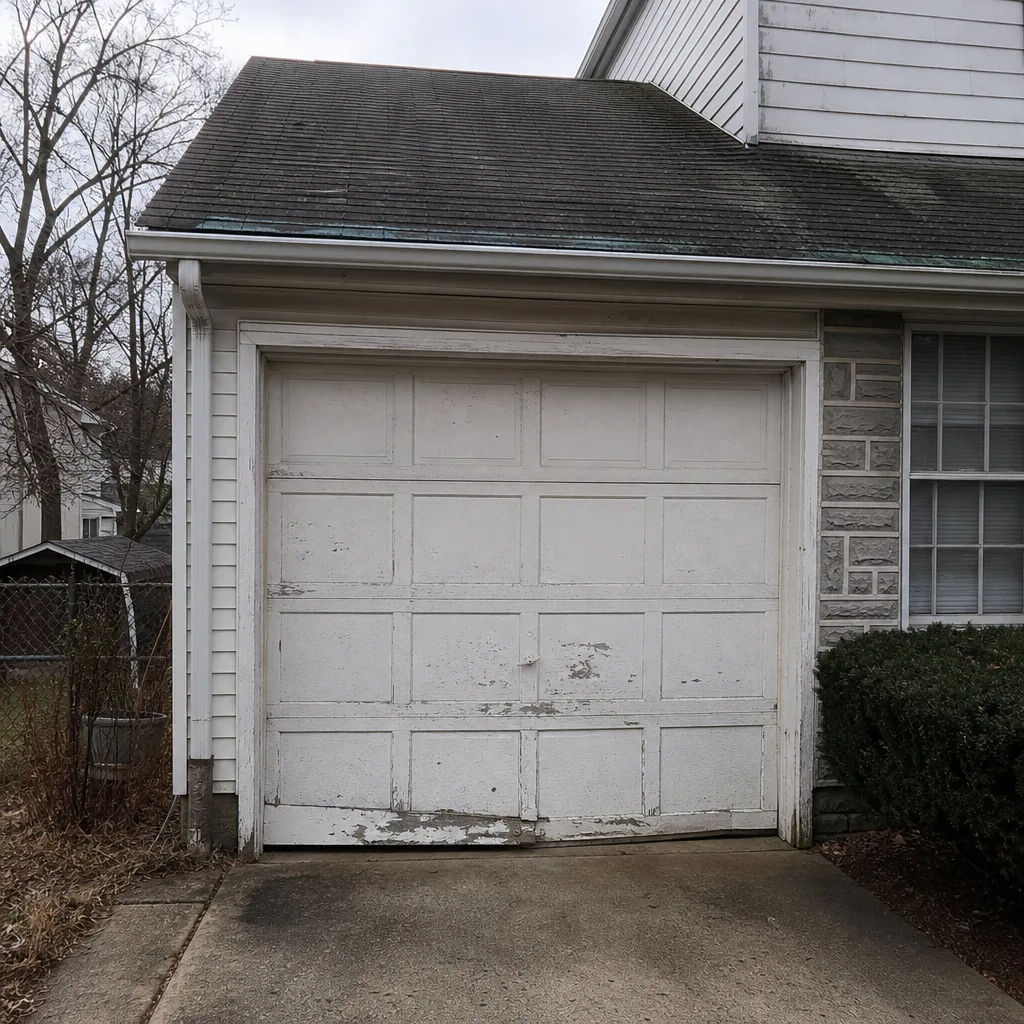 Before
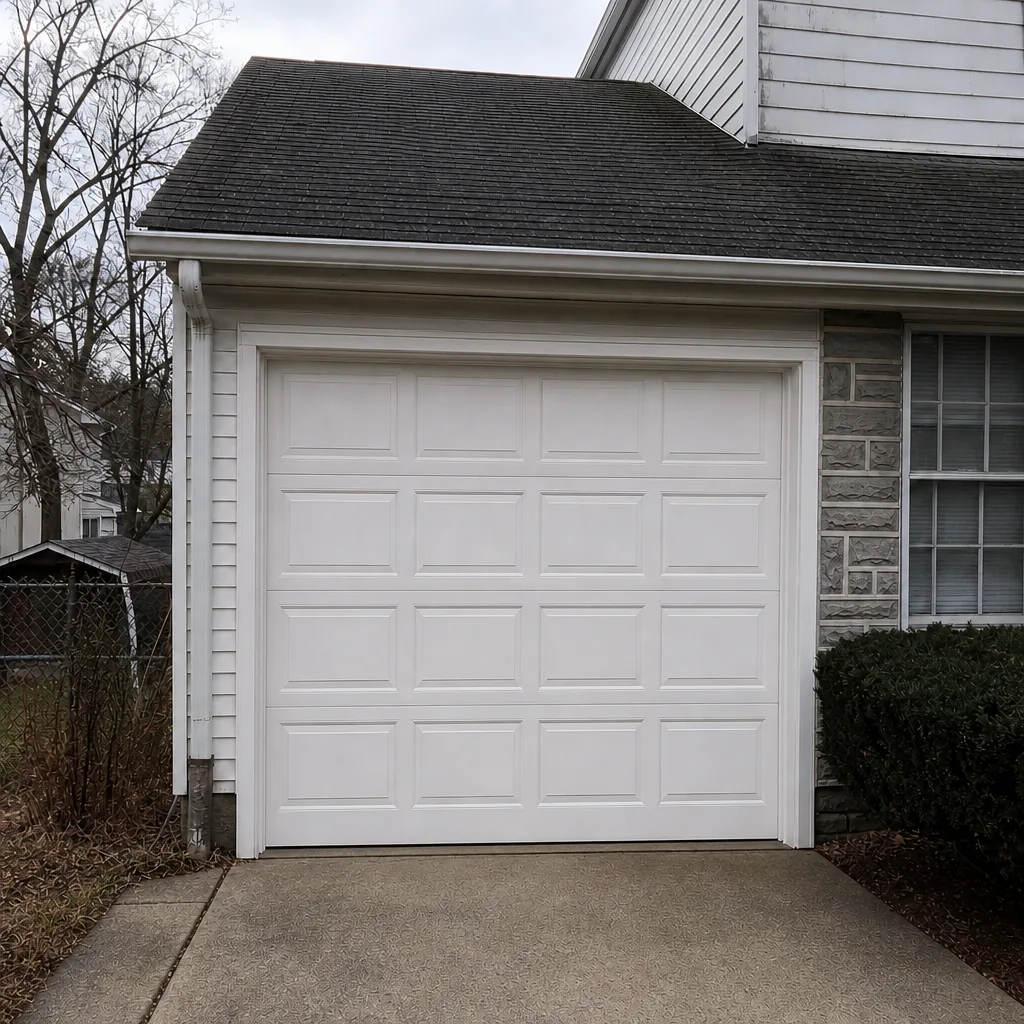 After
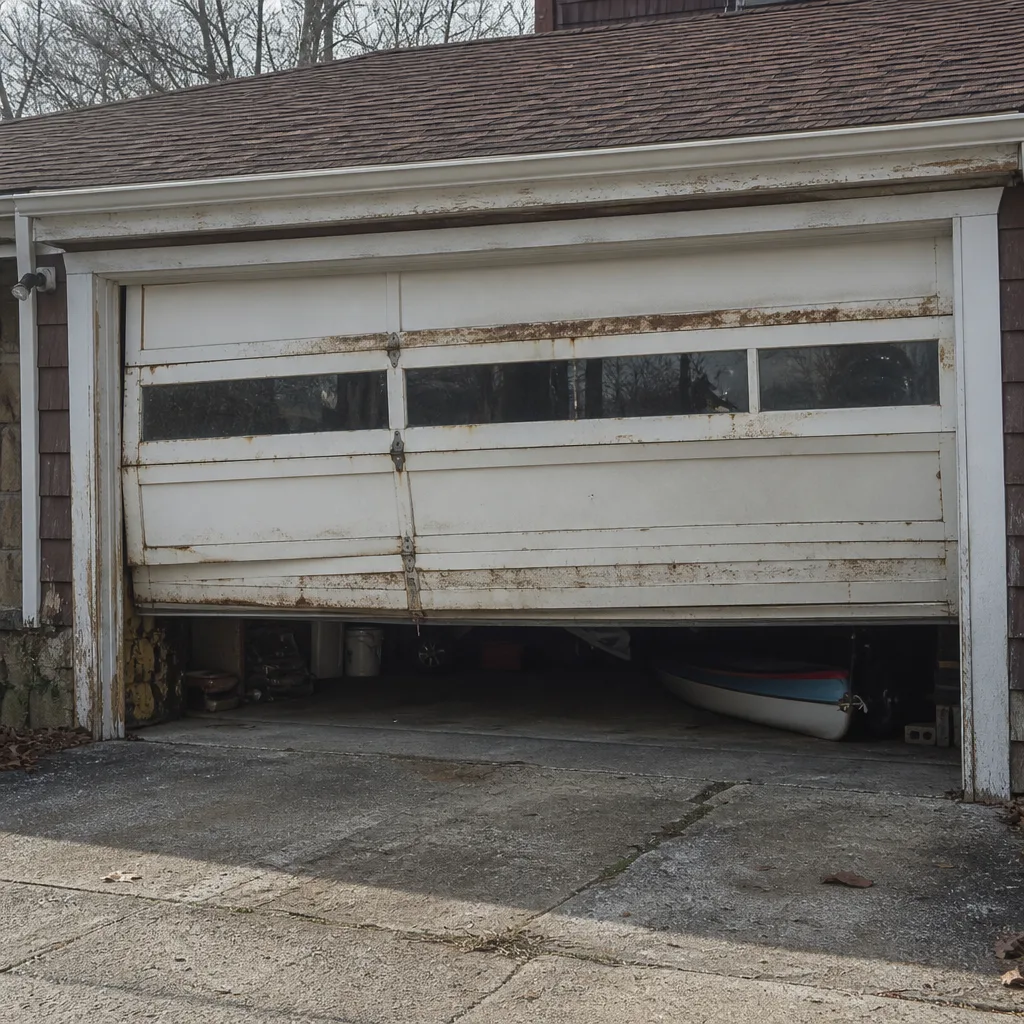 Before
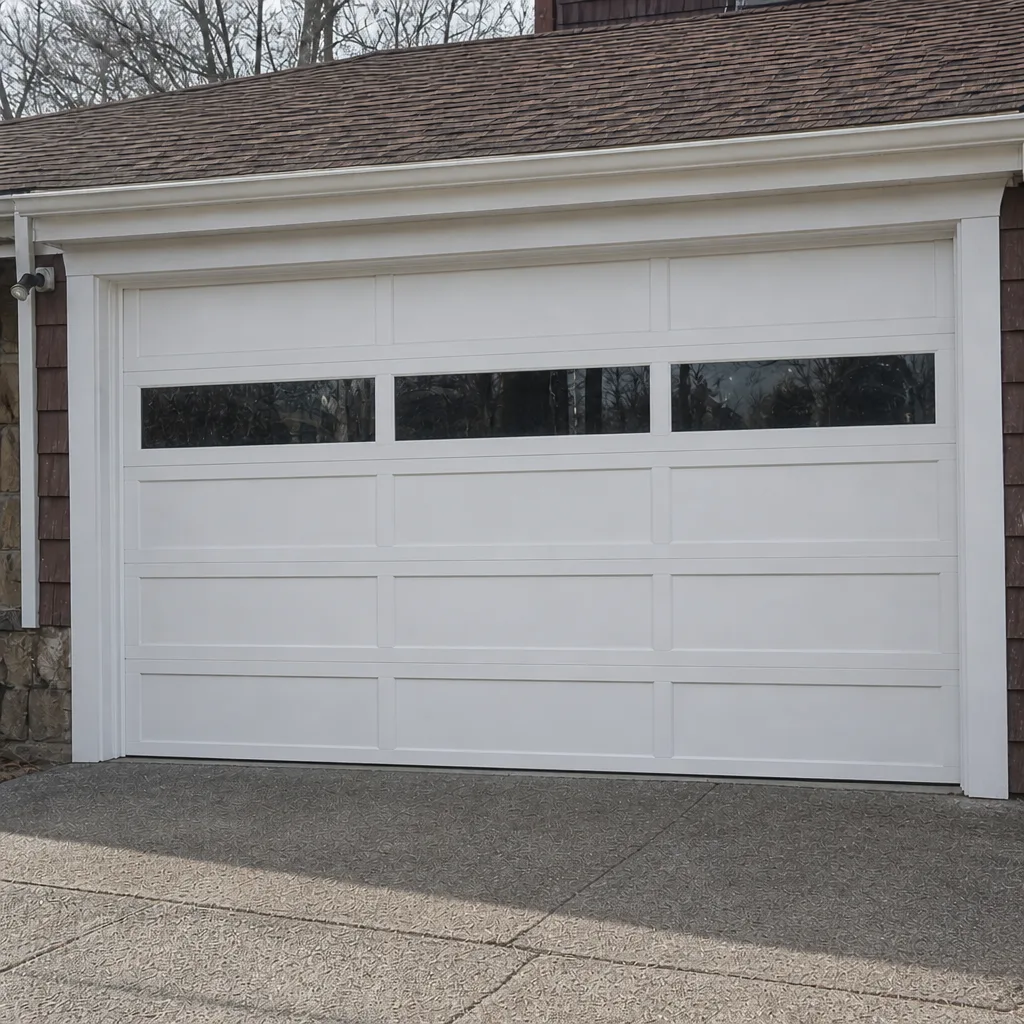 After
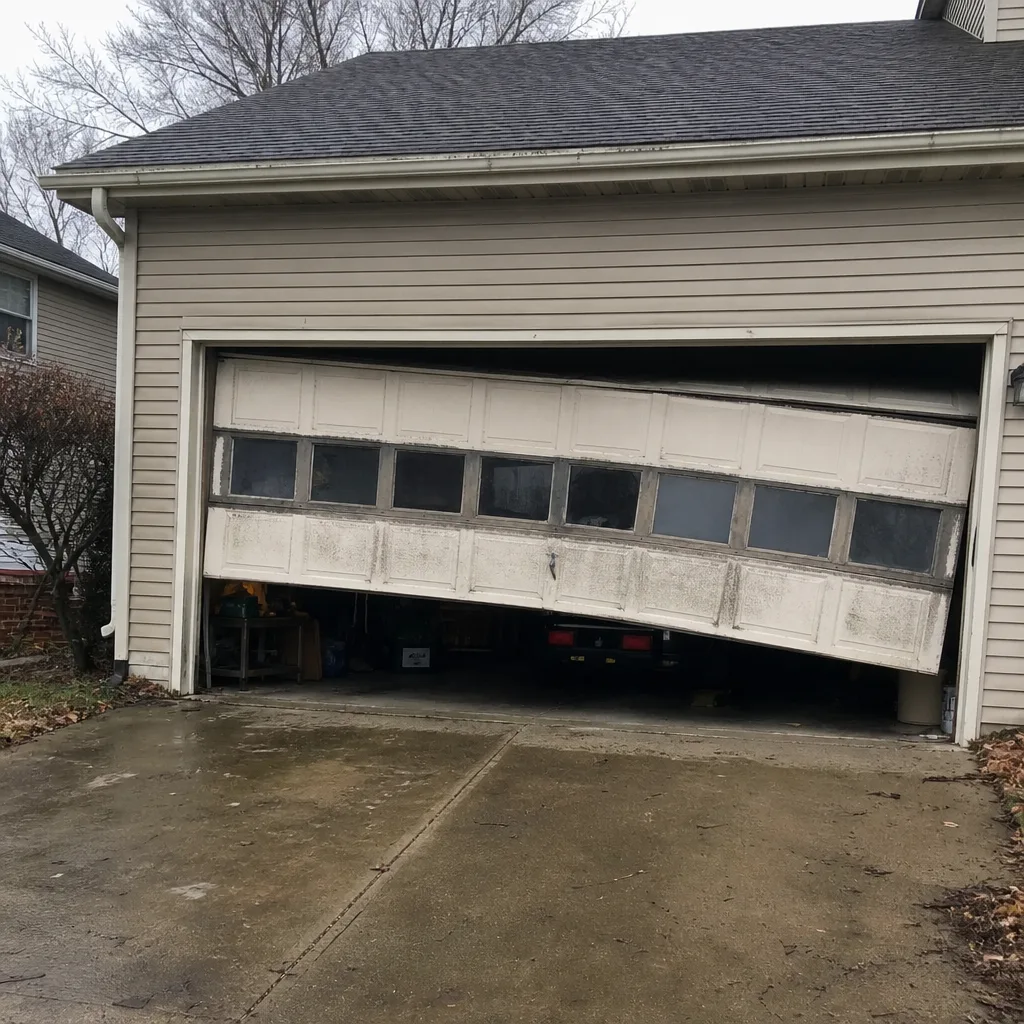 Before
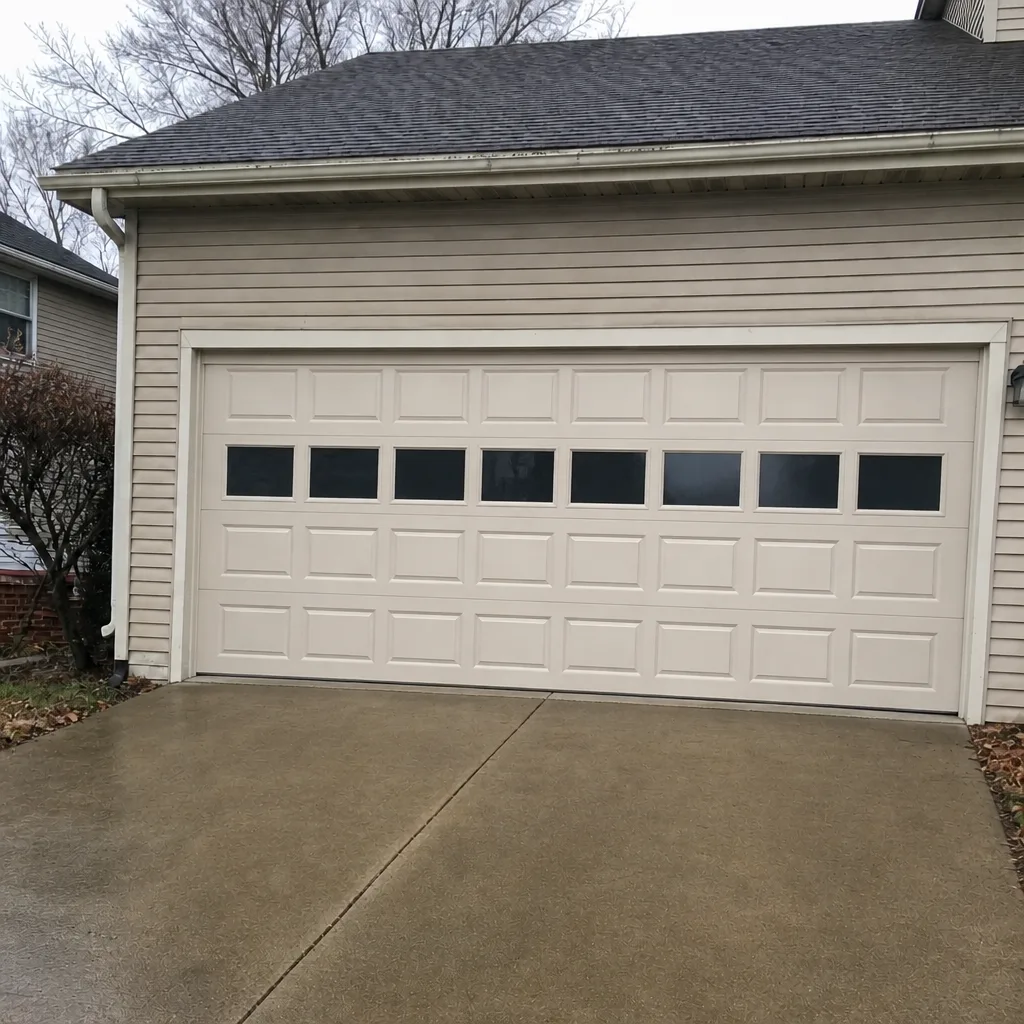 After
When to Call a Professional
Some garage door problems are cosmetic adjustments; some are genuinely dangerous. When it comes to springs, cables, and anything involving high tension, the safest move is to stop and call a trained technician. Broken spring, frayed or snapped cable, door that’s come off track and is hanging at an angle, opener that runs but the door doesn’t move, or a safety reverse that fails its test – each of those is a job for a specialist, not a Saturday project. Reading Garage Door Repair Pros offers free estimates in Reading – call (844) 660-0516. We answer 24/7. Fast dispatch from 7am to 7pm, Sunday through Friday. Our technicians have up to 15 years of experience and work on the brand already in your garage. Reading Garage Door Repair Pros is the number to keep on the fridge before you need it.
Frequently Asked Questions
Torsion spring replacement typically runs $180-$340 for one spring, and extension spring replacement typically runs $140-$260. A matched pair is usually replaced together at roughly twice the single-spring price. Call (844) 660-0516 for an exact quote – estimates are free.
We answer 24/7, and in most cases we can dispatch a technician the same day for spring repair. A call outside dispatch hours is booked into the next opening, Sunday through Friday, 7am to 7pm. Call (844) 660-0516 and we’ll give you a time.
No – the written estimate sets the price, and we quote and agree on it before any work starts. The typical ranges above are guides; the number we put in writing is the number you pay. Call (844) 660-0516 for a free estimate.
The local professionals we connect you with are licensed and insured as the state requires. They’re experienced specialists, and our work covers springs, openers, repairs, and installations. Call (844) 660-0516 to book.
Your door has to match your rough opening, not a nominal size. A pre-1980 garage is often a half inch or more out of square, so the only safe way to order is to measure the opening in multiple places first. That measure is free – call (844) 660-0516.
Yes. A full installation starts with a free measure of the rough opening, then the door is ordered to that measurement and scheduled for install. It’s not a same-day job, so plan for the lead time. Call (844) 660-0516 to start the measure.
The Bottom Line
Reading’s freeze-thaw cycle, humidity, and older housing stock change what a good garage door decision looks like. Springs specced for the door’s actual weight in heavier gauge outlast the light springs the national guides assume. Insulated doors pay back on attached garages and matter less on detached ones. Belt drives are worth the upgrade when the garage sits under a bedroom. And the rough opening in a pre-1980 Reading garage needs measuring before you order anything. Get those right and the rest is straightforward. If it’s time to fix, replace, or just get a plan, we’re here. garage door repair starts with one call.
Call (844) 660-0516 for a free estimate. We answer 24/7. Fast dispatch from 7am to 7pm, Sunday through Friday.
Written by the team at Reading Garage Door Repair Pros.