
Last updated November 20, 2026
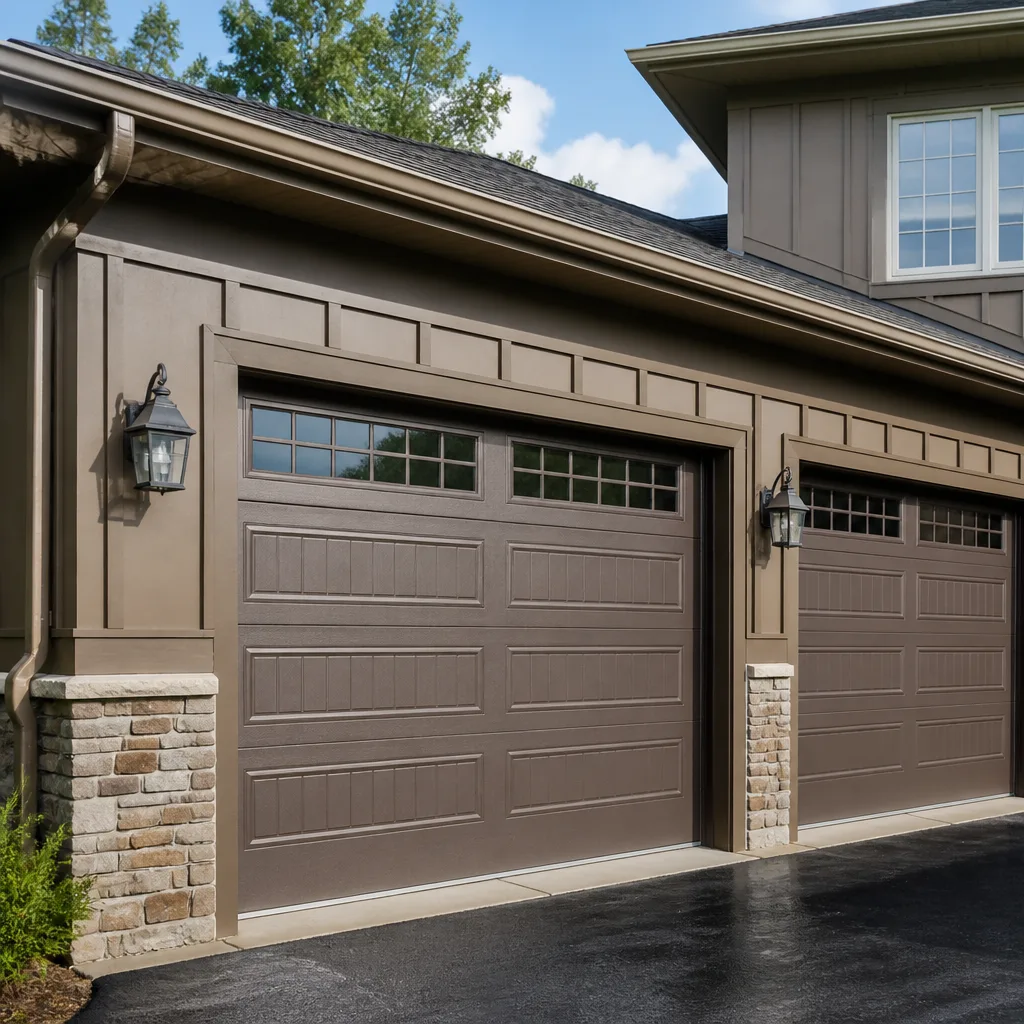
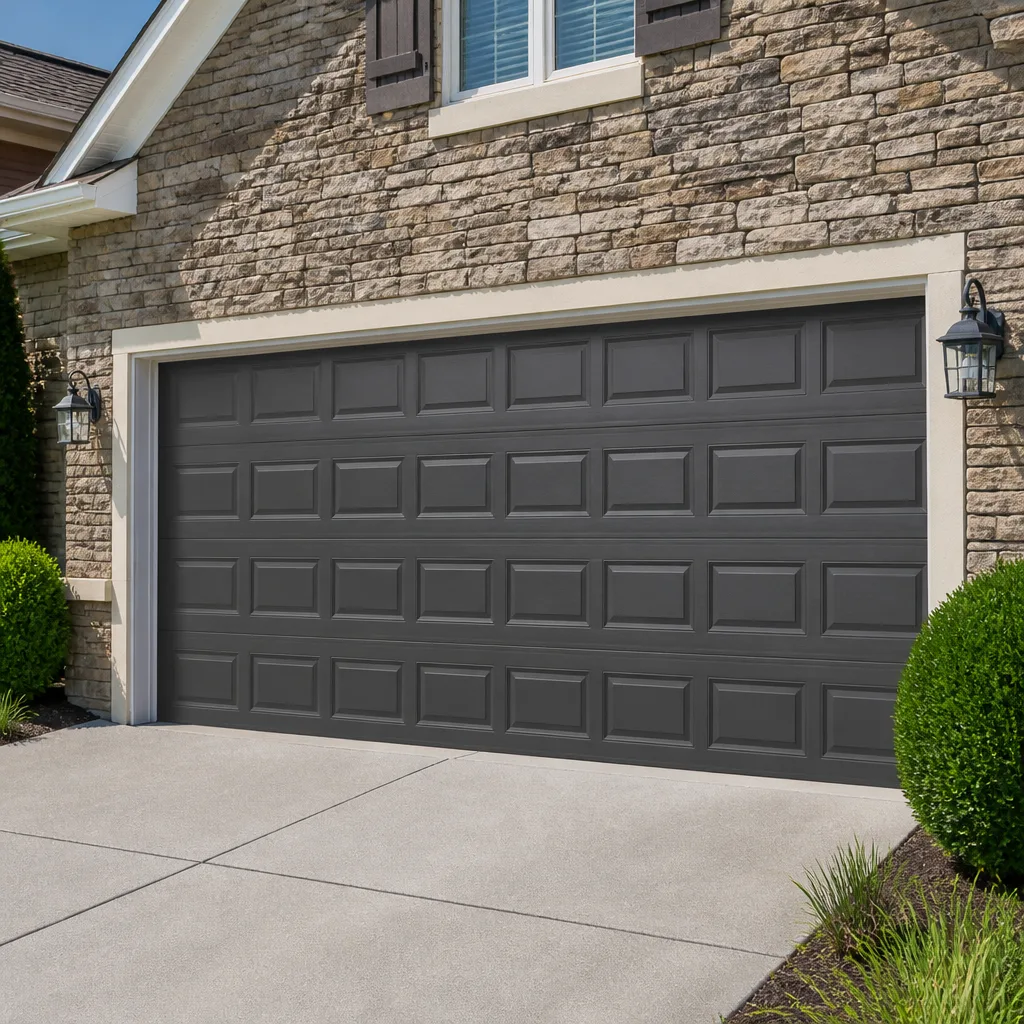 Raised-panel steel
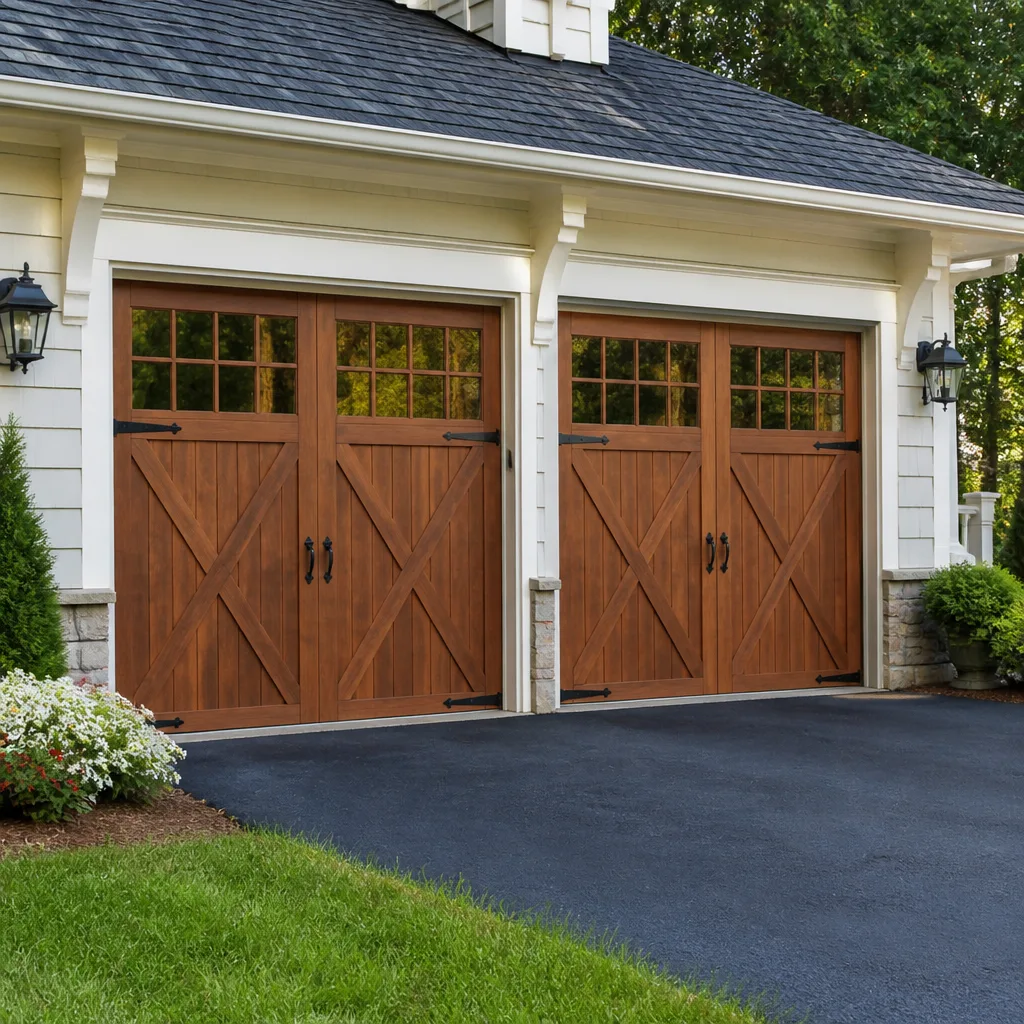 Carriage house
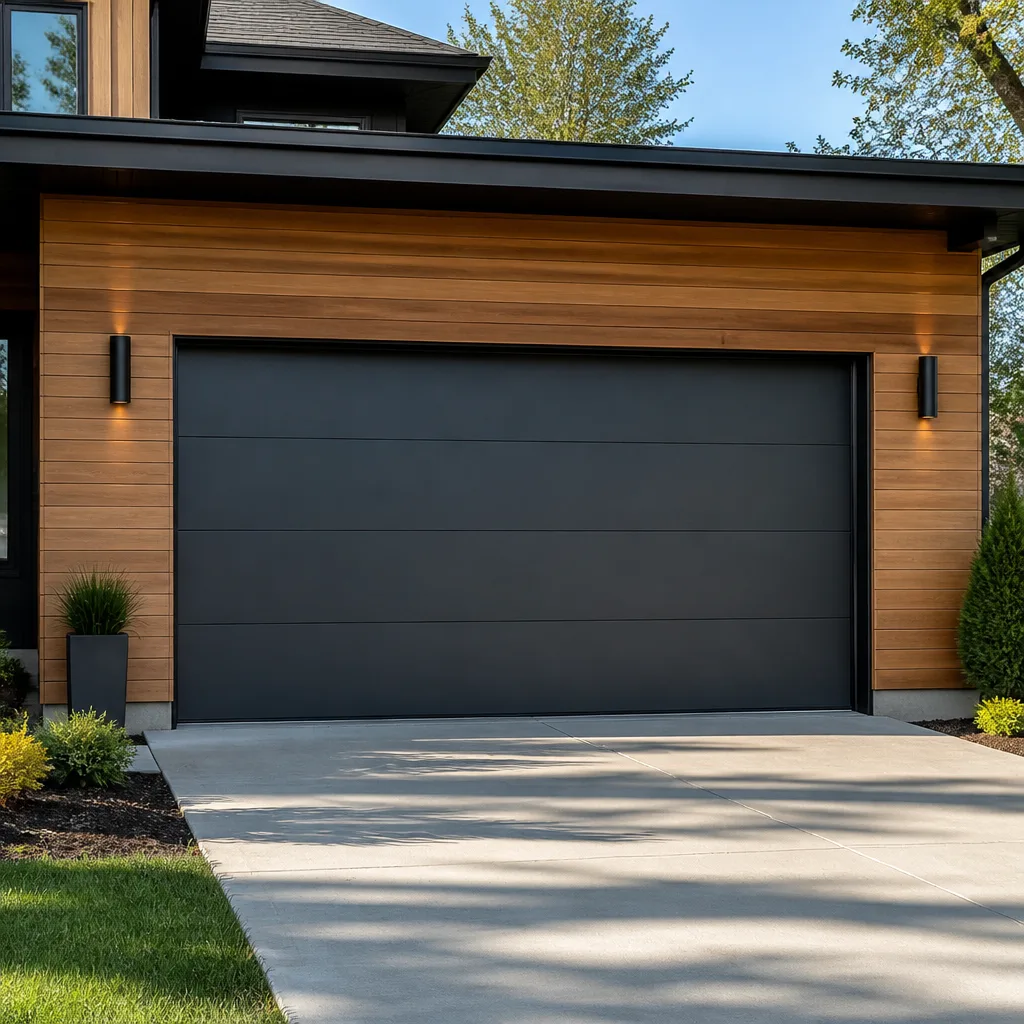 Modern flush
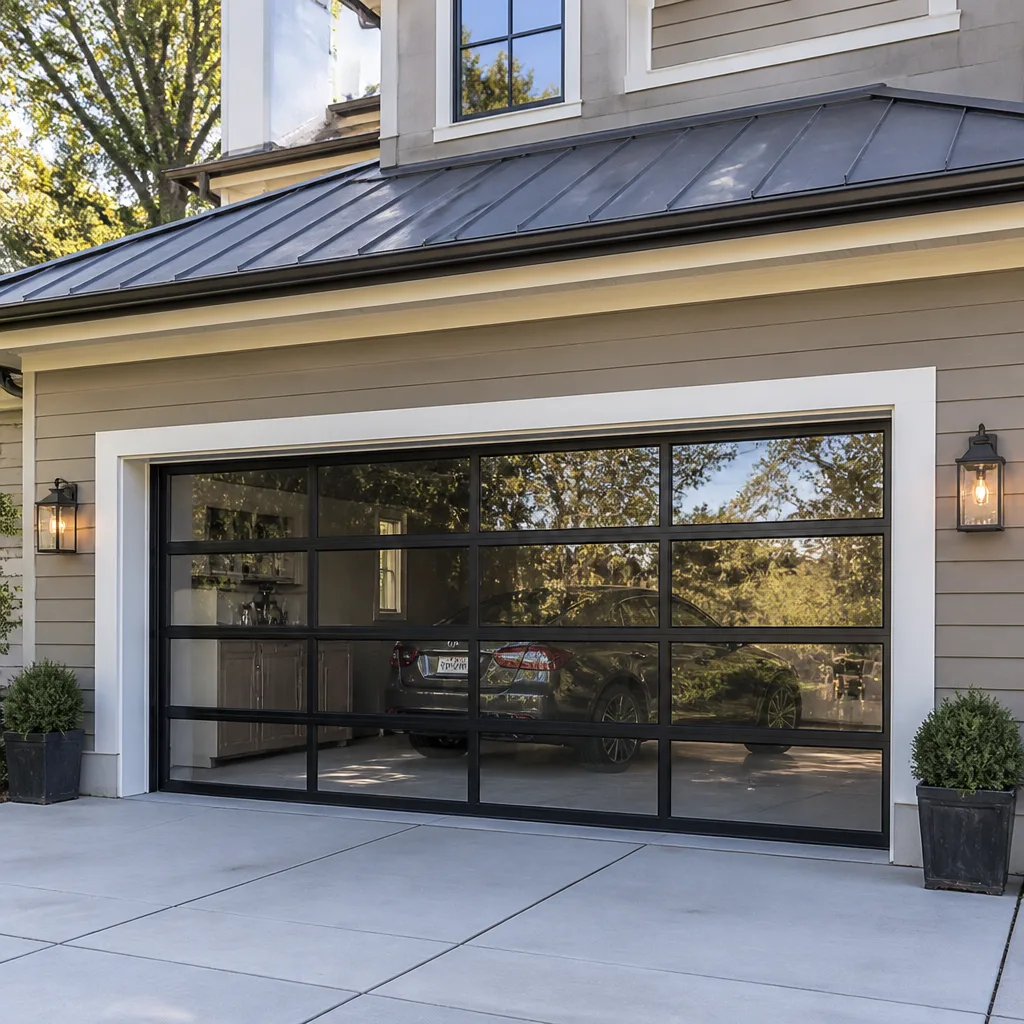 Full-view glass
 LiftMaster openers
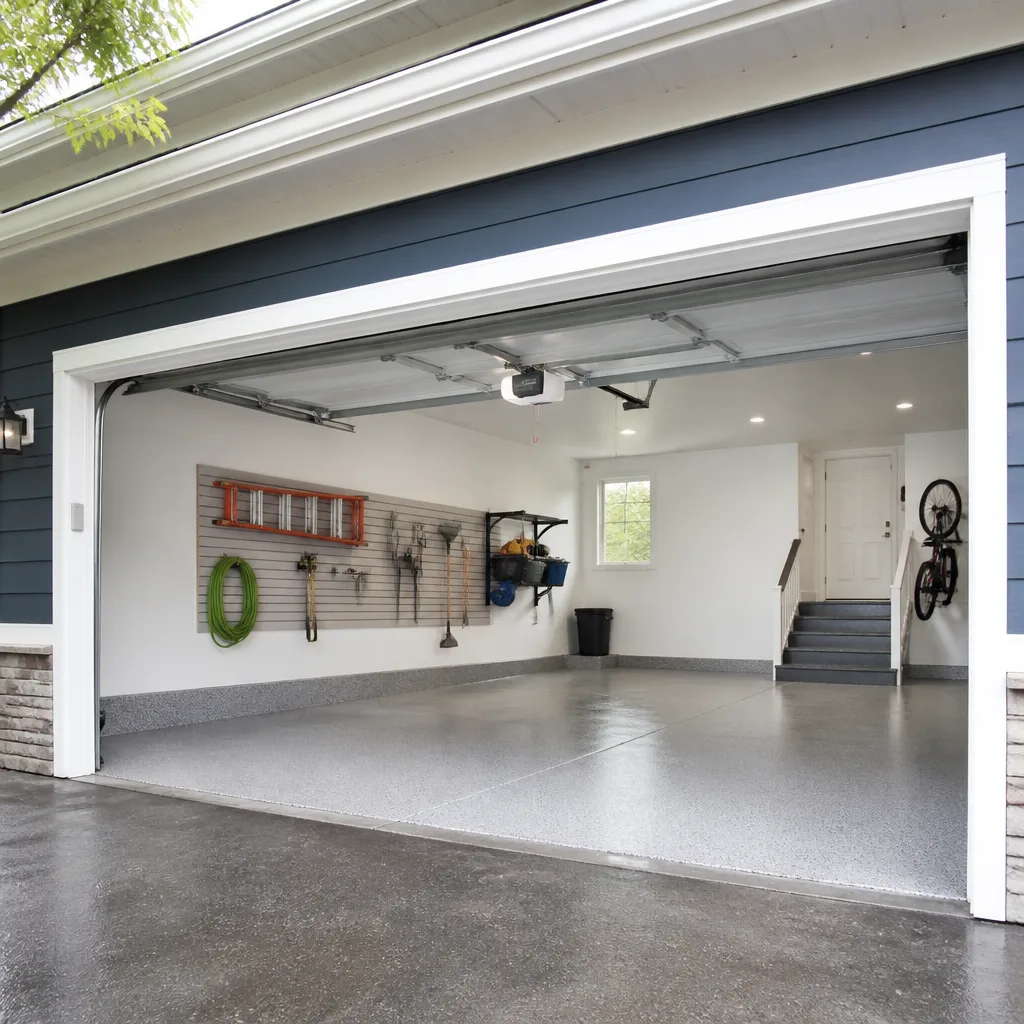 Chamberlain openers
Full 25-point door and opener safety check with every visit - springs, cables, rollers, tracks, and your LiftMaster or Chamberlain opener included
You get a price before we start. It does not change when the pro arrives.
Get your free estimateHow to Hire a Garage Door Contractor in Reading: A Step-by-Step Guide
Most homeowners hire a garage door contractor backwards. They call whoever answers first, ask what it costs, and book the cheapest number. The part that actually decides whether the job lasts is buried one layer down: whether the person standing in the driveway works on doors for a living or works on everything and happened to add doors last year. Reading has plenty of both, and from the outside they sound nearly identical on the phone. This guide gives you the three phone questions, the documentation, and the quote-reading skills to tell them apart before a spring is touched. You’ll also learn how to read a price, what a warranty should cover, and the local red flags worth walking away from.
Quick Answer
To hire a garage door contractor in Reading, ask three things before you book: which door and opener brands the company services regularly, whether spring repair is handled in-house, and what the written quote itemizes for parts, labor, and warranty. A dedicated specialist answers all three without hesitation. Confirm the pro is licensed and insured as the state requires, get the price in writing before any work starts, and be suspicious of a flat number given over the phone before anyone has looked at the door.
Styles & brands we work with
- Raised-panel steel
- Carriage house
- Modern flush
- Full-view glass
- LiftMaster openers
- Chamberlain openers
Table of Contents
- Why a Specialist Beats a Generalist on a Garage Door
- The Three Phone Questions That Reveal a Specialist
- What License and Insurance to Ask For in Pennsylvania
- How to Read a Garage Door Quote in Reading
- Spring Work: Why Safety and Documentation Matter
- Parts vs. Labor Warranty: What to Ask
- Red Flags Specific to the Reading Market
- Hiring for a New Door Installation
Why a Specialist Beats a Generalist on a Garage Door
A garage door is one of the few systems in a house that combines heavy moving parts, high spring tension, and electronics that talk to your phone. A general handyman can hang a shelf anywhere in Berks County. A garage door is a different animal, and the failure modes are not subtle. Springs store enormous energy. Cables run under load. Openers have brand-specific limit switches and safety sensor logic that change between models. The system rewards someone who has taken it apart hundreds of times and punishes someone guessing at it.
We work on the brand already in your garage, which matters more than it sounds. The eight makes we handle routinely – LiftMaster, Chamberlain, Genie, Clopay, Amarr, Wayne Dalton, Craftsman, and Raynor – each have their own quirks. A Wayne Dalton torsion setup behaves differently from a Raynor extension system. A LiftMaster opener’s Wi-Fi module and a Genie’s smart features fail in entirely different ways. When a technician already knows the equipment, diagnosis stops being trial and error. That shortens the visit and usually the bill.
There’s a second reason specialists tend to cost less over time: they repair before they replace. General contractors are often set up to sell a new door because installation is the part they’re comfortable with. A company that does nothing but doors has a full range of options – a spring swap, an opener module, a roller and hinge refresh, or a new door – and can honestly recommend the cheaper one when it’s the right call.
- Specialists diagnose brand-specific faults faster.
- They handle spring work themselves instead of declining or subbing it out.
- They can repair or replace, so the recommendation isn’t steered by what’s easy to sell.
- They carry or can source the correct part for your existing brand.
The Three Phone Questions That Reveal a Specialist
You can separate a dedicated garage door company from a generalist in about ninety seconds on the phone. Ask these three questions in order and listen to how the answers come back. A specialist answers quickly and in detail. A generalist hedges, pivots to a site visit with no information, or admits the work gets passed to someone else.
- “Which brands do you service regularly?” A specialist names makes without straining. If the answer is “all of them” with nothing specific, press once more. A company that lives in this trade will mention openers and door manufacturers by name.
- “Do you do spring repair yourselves, or do you send it out?” Spring work is the most mechanically dangerous job in the trade. A company that handles it in-house is set up for the real work. One that subcontracts it is telling you where its expertise stops.
- “Can you give me an itemized quote in writing before work starts?” The right answer is yes, and the quote breaks out parts, labor, and what’s covered afterward. A flat price barked over the phone before anyone has seen the door tells you nothing about what you’re actually buying.
In our experience, the third question is the one that sorts the field fastest. A written quote you can read before anyone touches a spring is the single best protection against a surprise invoice. If the price only arrives after the door is already apart, you’ve lost your leverage in the conversation. Ask for the number first, agree to it, then let the work begin.
What License and Insurance to Ask For in Pennsylvania
Pennsylvania does not license home improvement contractors at the state level the way some states do. Instead, the rules that apply to garage door work in Reading come from a mix of state registration requirements for home improvement work, local permitting, and the contractor’s own insurance. That makes your due diligence more important, not less. You’re the one confirming the paperwork, so ask for it plainly and expect a professional to hand it over without friction.
Request these before anyone starts:
- State home improvement contractor registration. Pennsylvania requires home improvement contractors to register with the state. Ask for the registration and confirm it’s current.
- General liability insurance. Ask for a certificate of insurance showing active coverage. This is what protects your home if something gets damaged.
- Workers’ compensation coverage. If a helper is injured on your property, this is the difference between a covered incident and a claim against your homeowner’s policy.
- Written contract. Pennsylvania home improvement law expects a written agreement for work above a certain value. Get the scope, price, and payment terms in writing.
A pro who does this for a living will have these ready. Hesitation, or a “we’ll get you that later,” is your signal to keep calling. For a job as mechanically serious as a spring replacement, an uninsured worker in your garage is a risk you don’t need to take. If you’re already past the hiring stage and just need the door fixed, our garage door repair page covers what a typical visit involves.
How to Read a Garage Door Quote in Reading
A good quote tells a story: what’s broken, what part fixes it, what it costs, and what happens if it fails. A bad quote is a single number with no explanation. The difference matters because two quotes for the same job can look close on the surface while covering completely different things. Here’s how to read one properly.
Line-item detail signals expertise. A specialist quote will separate the spring or springs from labor, note whether it’s a matched pair, and mention any related parts like cables, rollers, or bearings that should be replaced at the same time. It will also state the warranty in years for the part and for the labor. A vague flat rate with no breakdown is the opposite: you can’t tell what’s covered, what brand of part is going in, or whether the labor is guaranteed.
Reading’s housing stock runs from older homes in the Centre Park and Callowhill neighborhoods to newer construction out toward Wyomissing and Spring Township, and the door systems vary accordingly. An older door may have extension springs; a newer one almost certainly has torsion. The quote should reflect what’s actually on your door, not a generic number applied to every house on the block. If a contractor quotes without looking, they’re guessing.
Finally, read the price as an estimate, not a final bill carved in stone for all eternity – but treat the written number as the price you agreed to. The estimate sets the cost. If the technician finds something genuinely unexpected once the door is open, that gets discussed with you before any extra work happens. What should never happen is a number that grows after the fact without a conversation.
Spring Work: Why Safety and Documentation Matter
Garage door springs are the most dangerous component in the whole system, and they deserve the most scrutiny when you hire. A torsion spring under tension can cause serious injury if it’s handled wrong, which is exactly why this is not a job to hand to someone who hasn’t done it many times. The wrong spring, the wrong wind direction, or a mismatched pair can leave a door that seems fine for a few weeks and then fails. Watching a door come off its track is unsettling; having it happen because a spring was installed incorrectly is worse.
Because spring work is a primary specialty for us, here’s what a competent spring job includes, so you know what to look for in a quote and a visit:
- The technician measures the existing springs and matches wire size, length, and wind direction – not just “a spring that fits.”
- Matched pairs are replaced together, since springs installed at the same time wear at the same rate. Replacing one of a pair is a false economy.
- Cables, drums, and bearings are inspected while the door is under reduced tension, because those parts interact with the springs.
- The door is cycled and balanced after installation, and the opener’s force settings are checked.
We won’t give you step-by-step instructions for replacing a spring yourself, and no responsible company should. The energy stored in a wound torsion spring is not something to learn on. What you can do safely is test the door by hand: disconnect the opener and lift it. A balanced door should rise with light effort and stay put when you let go halfway. If it slams down or won’t lift, the springs or the balance are suspect, and it’s time to call. Our Reading Garage Door Repair Pros team handles torsion and extension spring work directly, and we’re happy to explain what your door needs before you commit to anything.
Parts vs. Labor Warranty: What to Ask
Warranty is where specialists and generalists part ways most visibly, and it’s the question most homeowners forget to ask. The part warranty covers the spring, opener, or hardware itself. The labor warranty covers the work of installing it. Those are two different promises from two different places, and a quote that only mentions one is giving you half the picture.
A generalist often passes through the manufacturer’s part warranty and offers little or nothing on labor, because once they leave, a callback is a lost half-day for them. A specialist tends to stand behind both, because the repair is the core of the business and a failed spring is a reputation problem. When you’re comparing quotes, line them up on this:
- How long is the warranty on the part itself?
- How long is the warranty on the labor to install it?
- Does the warranty cover a return visit if the same problem comes back?
- Is the warranty in writing on the quote, or just spoken on the phone?
For springs specifically, this matters because a poorly matched spring can fail early. If the labor isn’t covered, you may pay twice for the same mistake. Ask for the warranty terms in writing before work starts, and keep the quote. That one habit protects you more than any verbal assurance.
Red Flags Specific to the Reading Market
Reading’s garage door market has a wrinkle worth knowing about: out-of-area companies that set up a temporary local listing, take the job, and vanish. They show up in search results with a Reading address and a Reading phone number, but the crew drives in from elsewhere and the follow-up never comes. If a spring fails three months later, there’s no one local to call. Spotting these before you book saves you the trouble of chasing a warranty that doesn’t exist.
Watch for these signals:
- No verifiable local presence. An address that turns out to be a mailbox, or a phone number that routes to a call center with no local knowledge.
- Pressure to decide on the spot. “This price is only good today” is a sales tactic, not a service. A real quote stands on its own.
- Refusal to itemize. A flat number with no breakdown of parts, labor, and warranty is a red flag anywhere, but especially here where the door systems vary so much by neighborhood.
- Spring work subcontracted. If the person who answers the phone can’t tell you who does the spring, that’s your answer.
- No local follow-up plan. Ask directly: “If this fails in six months, who comes back?” The answer should be a specific, local commitment.
The flip side is also worth saying: a company that knows the area’s housing – the older doors near Centre Park, the newer installs out toward Spring Township – will ask better questions on the phone. That local familiarity shows up in how they diagnose, and it’s a fair sign you’re dealing with a specialist who actually works here.
Hiring for a New Door Installation
Hiring for a new door is a different exercise from hiring for a repair. A repair is about speed and getting back up and running. An installation is about measurement, brand choice, and a schedule – it’s not a same-day job, and anyone who promises otherwise is cutting corners. The door has to be measured precisely, ordered to fit, and installed with the right track, hardware, and opener compatibility. That takes planning, not urgency.
Brand familiarity guides the choice. If you already have a LiftMaster or Chamberlain opener, staying within that family makes the smart features and remotes work together. If your neighborhood’s doors tend toward Clopay or Amarr styles, a specialist can tell you what’s actually available in the sizes and looks that fit your house, rather than pushing a single model. Companies that are factory-familiar with the major brands – the eight we work with daily – can talk you through the tradeoffs honestly.
What to expect from a good installation hire:
- A free measure and a written price, not a phone estimate.
- A clear brand and model recommendation matched to your opening and your existing opener.
- A stated installation timeline that reflects real ordering and scheduling, not a promise of “today.”
- Warranty terms in writing for both the door and the installation labor.
Our garage door installation page walks through what a proper measure and install looks like. If your opener is the part that’s failing rather than the door, the garage door opener repair page covers that separately, since opener electronics and smart/Wi-Fi modules have their own diagnostic path.
Common Mistakes to Avoid
These are the missteps we see most often when homeowners in Reading hire for garage door work. Each one is avoidable with a little patience on the front end.
- Hiring on price alone. The cheapest quote often excludes labor warranty or uses a mismatched spring. A slightly higher itemized quote that covers the part and the install is usually the better buy.
- Accepting a flat price given over the phone. No one can quote a spring job accurately without seeing the door. A number given blind is a guess dressed up as a price.
- Not asking who does the spring work. If the company subcontracts it, you’ve hired a middleman. Confirm it’s handled in-house before you book.
- Skipping the insurance check. In Pennsylvania, where state licensing isn’t the whole story, the certificate of insurance is your real protection. Ask for it.
- Replacing one spring of a matched pair. It saves a little now and costs more later when the older spring fails and you pay for labor twice.
- Ignoring the local-listing trap. A Reading address and phone number don’t guarantee a Reading company. Ask who comes back if the work fails.
- Letting the price change after work starts. Agree to the written quote before anyone touches the door. Anything unexpected gets discussed first.
See the difference
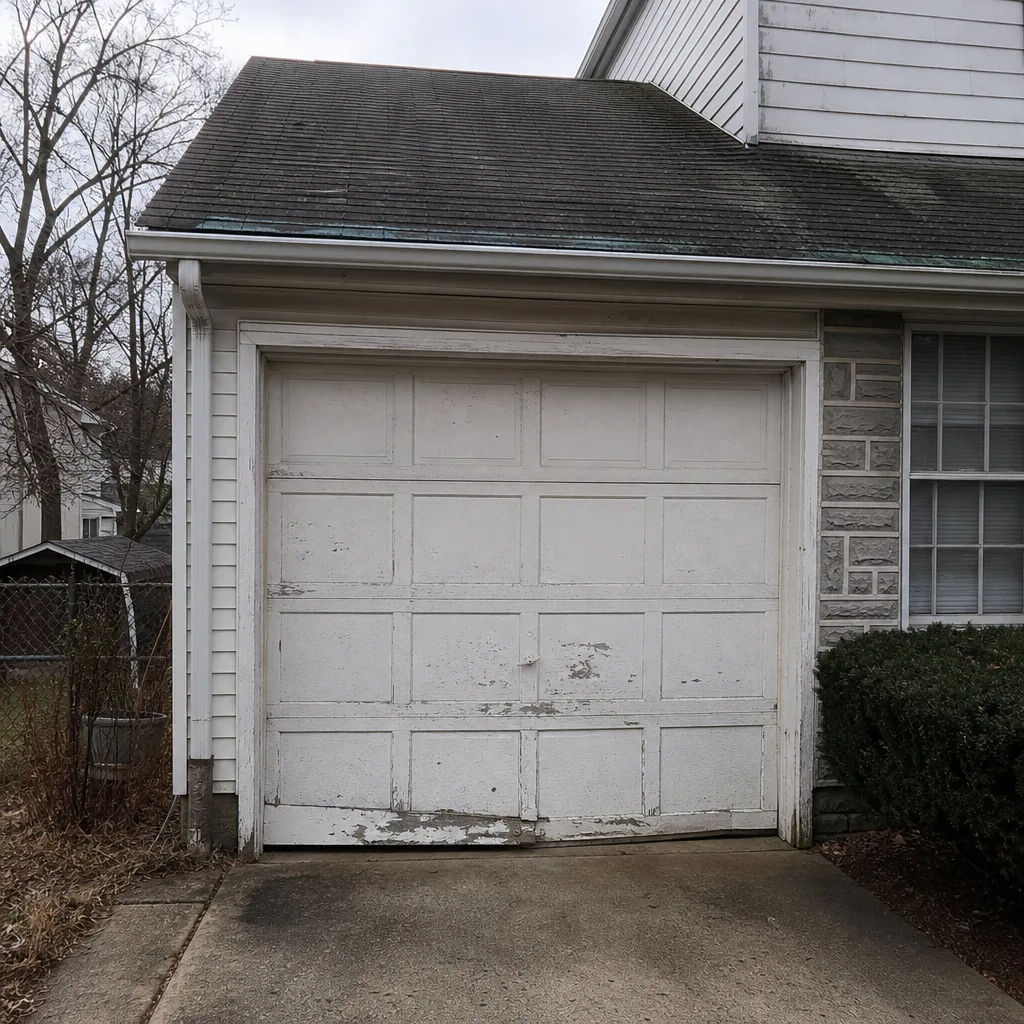 Before
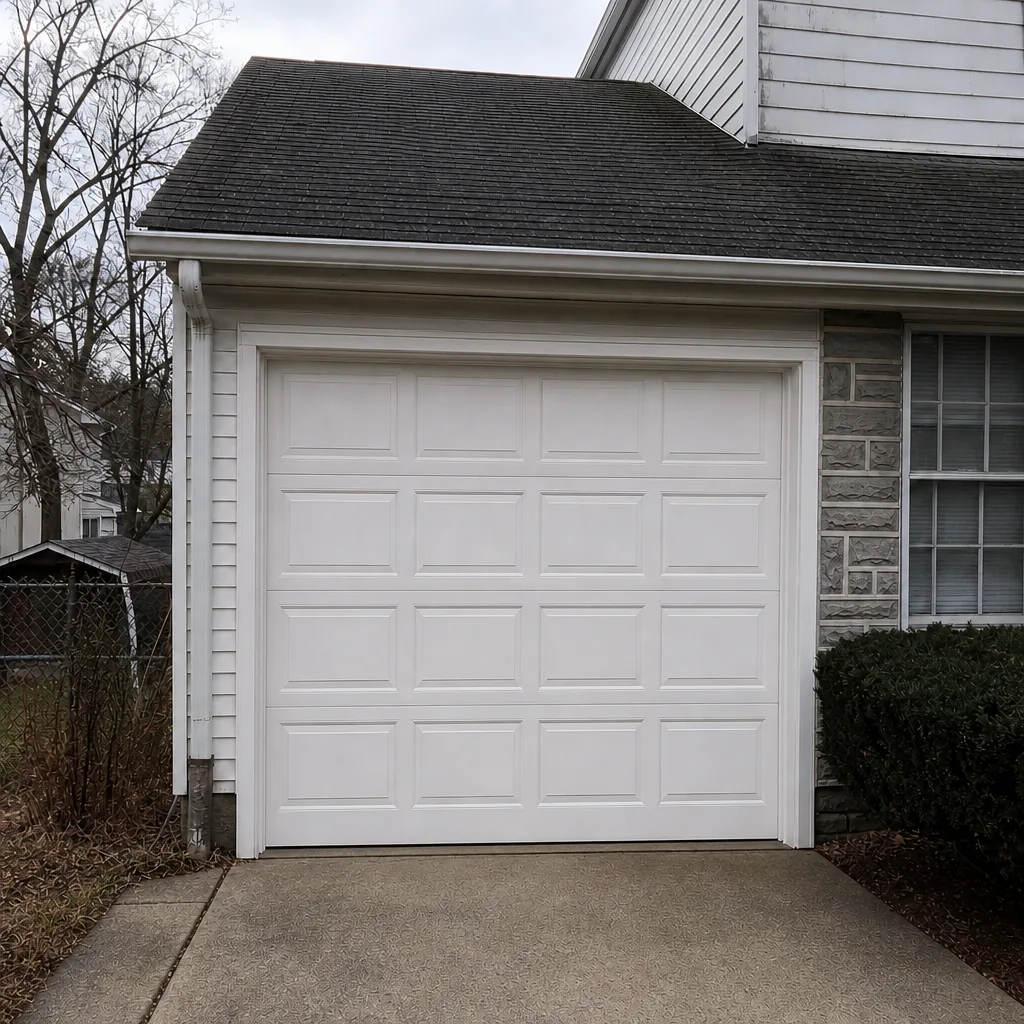 After
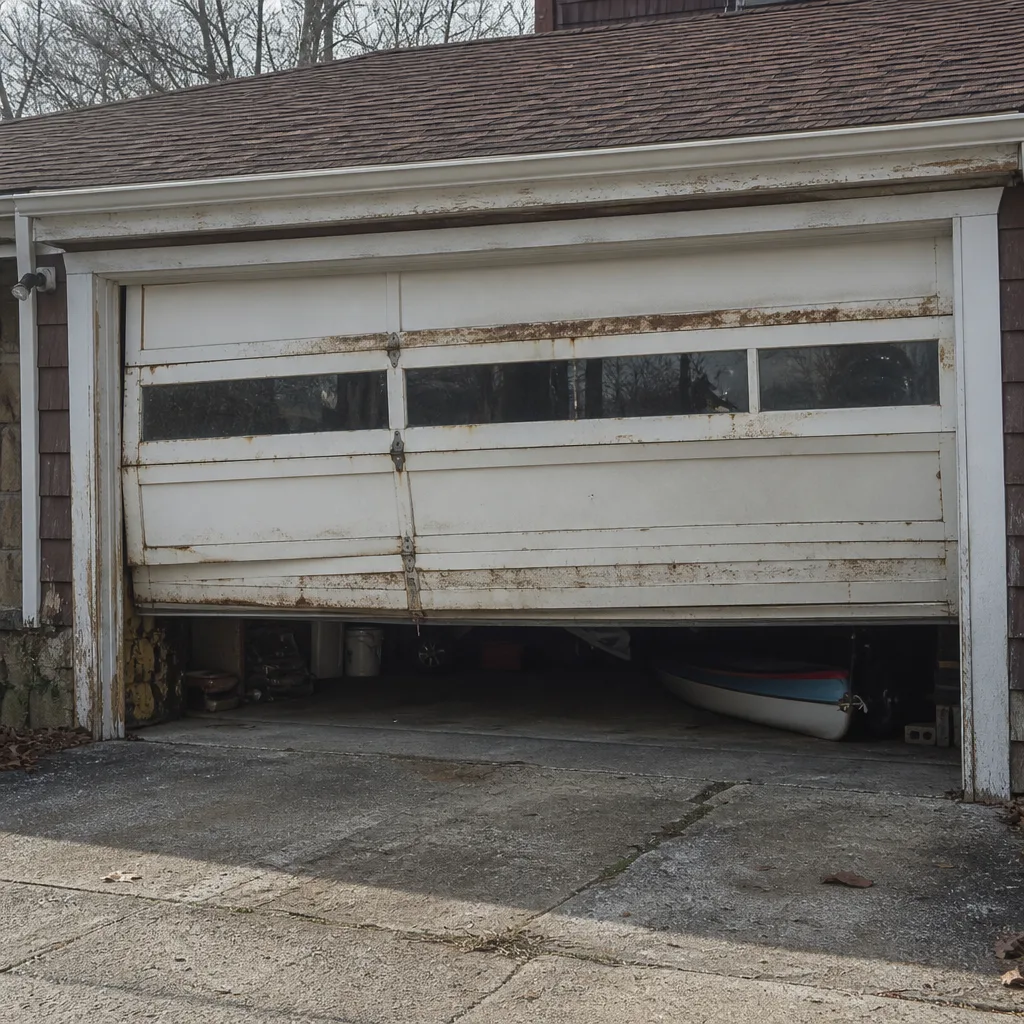 Before
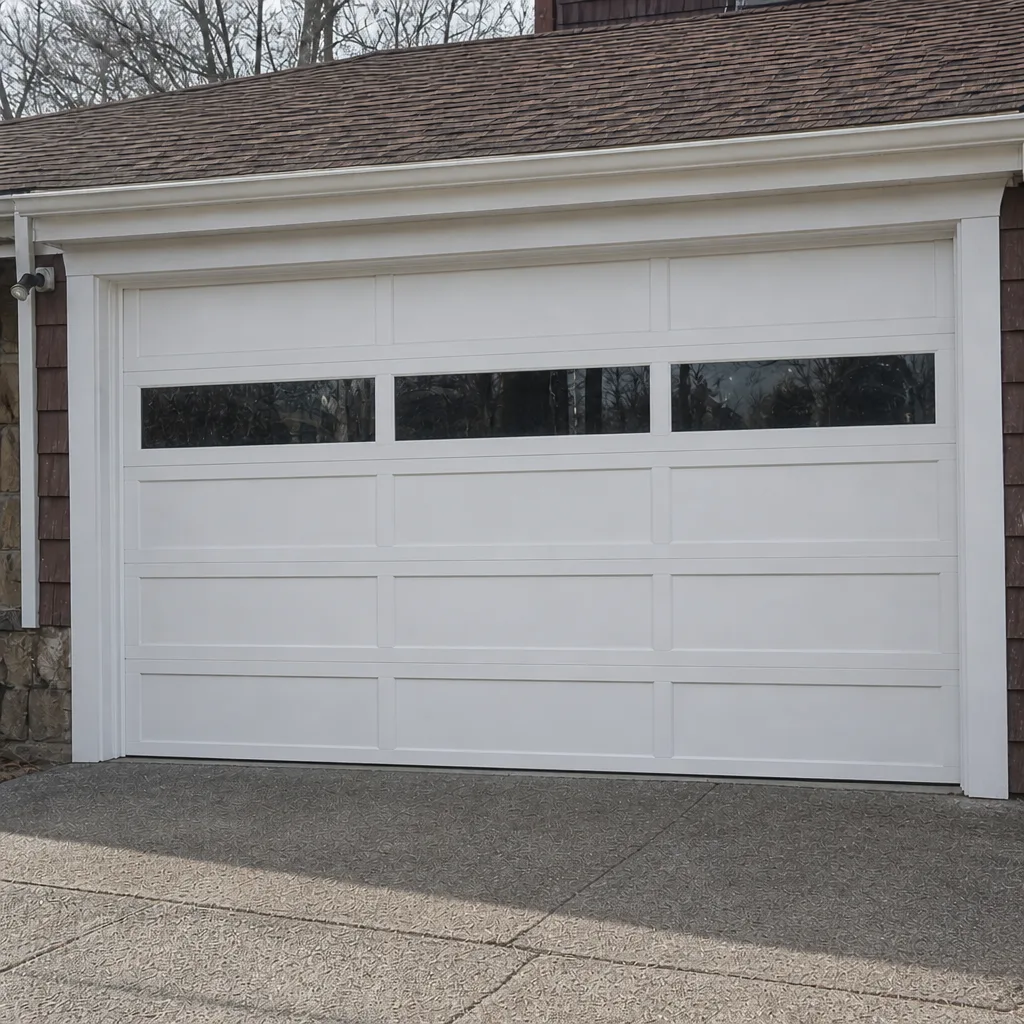 After
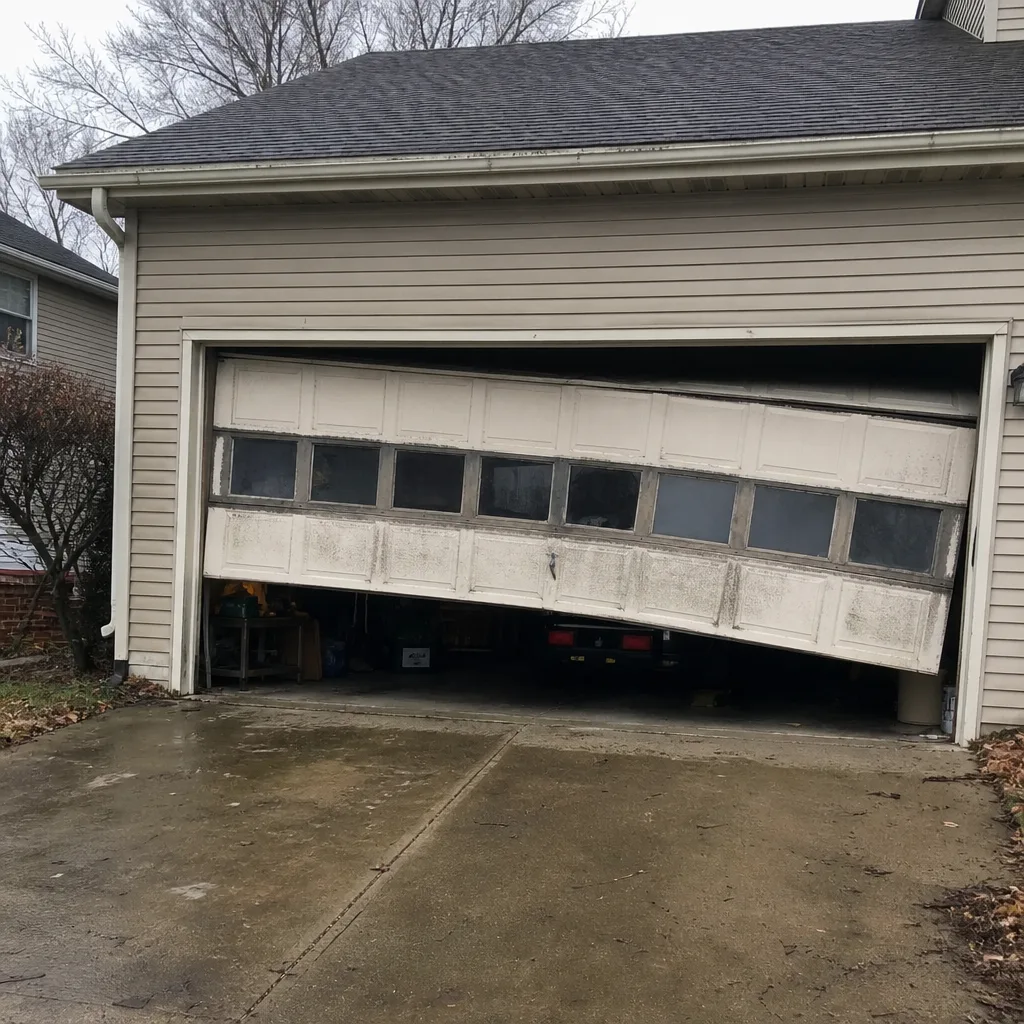 Before
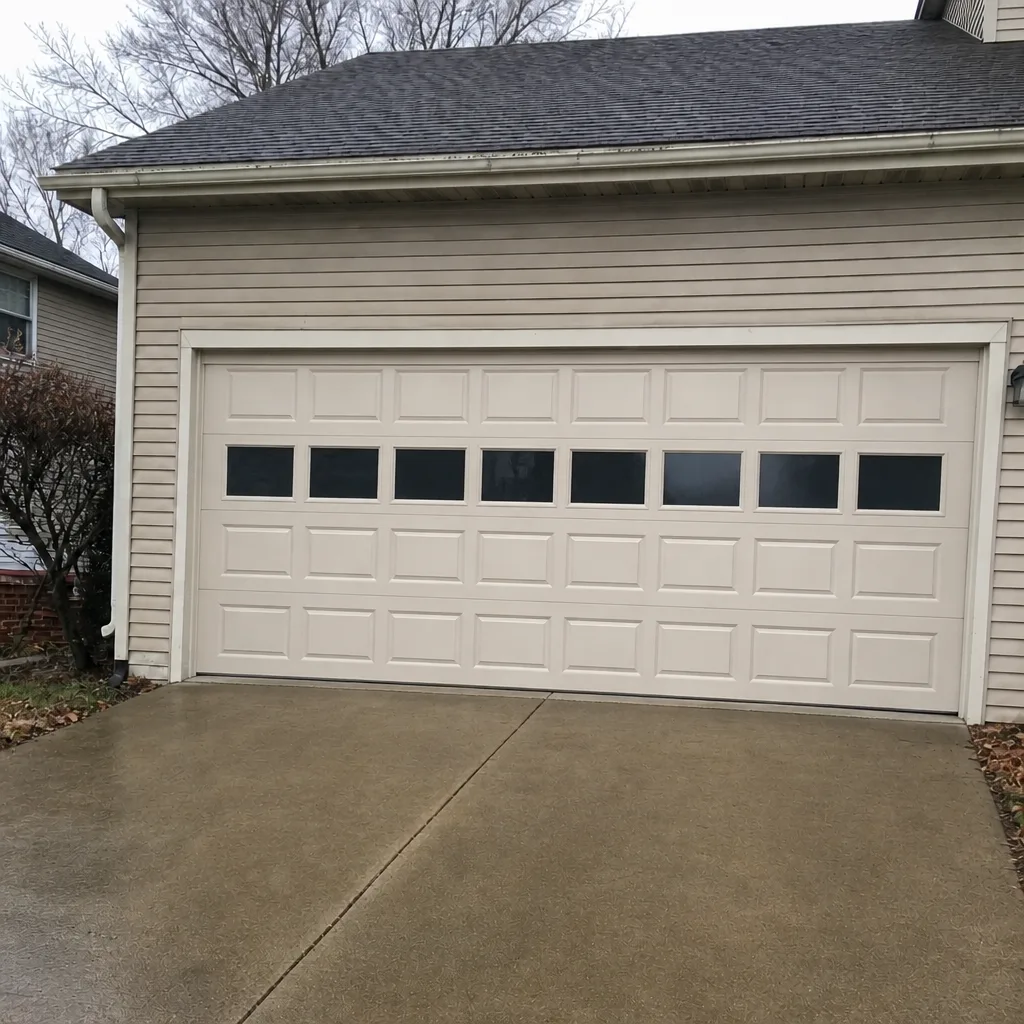 After
When to Call a Professional
Some garage door problems are safe to watch and some aren’t. Call a professional if a spring has visibly snapped or the door won’t lift by hand, if the door has come off its track or is hanging crooked, if the opener runs but the door doesn’t move, or if the door reverses unexpectedly or won’t close all the way. These are the situations where a trained technician makes the difference between a repaired door and a dangerous one. Spring work in particular isn’t a do-it-yourself job – the stored energy in a wound torsion spring can cause serious injury, so leave it to someone who does it routinely.
If your car is trapped inside or the door is stuck open and your home is unsecured, that’s the moment to call rather than wait. Reading Garage Door Repair Pros offers free estimates in Reading. Our technicians have up to 15 years of experience, and we work on the brand already in your garage. Call (844) 660-0516. We answer 24/7, with fast dispatch from 7am to 7pm, Sunday through Friday. A call outside dispatch hours is booked into the next opening.
Frequently Asked Questions
Spring repair in Reading typically runs in the range of a few hundred dollars for a single spring, with a matched pair costing roughly twice that since both are usually replaced together. The exact figure depends on the spring size, the door weight, and whether cables or bearings need attention at the same time. You’ll get a written estimate before any work starts, and that written quote is the price you pay. Call (844) 660-0516 for an exact quote – estimates are free.
Same-day service is often possible for a broken spring or a door that’s stuck, and we prioritize situations where a car is trapped or the home is left open. Call (844) 660-0516 and we’ll tell you what’s available. We answer 24/7, with fast dispatch from 7am to 7pm, Sunday through Friday. A call outside dispatch hours is booked into the next opening.
No. The written estimate you agree to before work begins is the price. If the technician finds something genuinely unexpected once the door is open, it gets discussed with you before any extra work happens, and you decide. What won’t happen is a bill that grows after the fact without a conversation. If you want a firm number, call (844) 660-0516 for a free written estimate.
The local pro we connect you with is licensed and insured as their state requires, and Pennsylvania requires home improvement contractors to register with the state. Ask for the registration and a certificate of insurance before work starts – a professional will provide both without hesitation. Call (844) 660-0516 to book an estimate.
We repair first. That’s the point of a specialist: a broken spring, a dead opener, or a door off its track is usually fixable without a new door, and you’ll hear that recommendation when it’s the right one. We handle repair, opener repair, spring repair, and full installation, so the same call covers whichever way your job goes. Call (844) 660-0516 for a free estimate.
We work on the brand already in your garage, including LiftMaster, Chamberlain, Genie, Clopay, Amarr, Wayne Dalton, Craftsman, and Raynor. Familiarity with these eight makes diagnosis faster, especially for brand-specific opener electronics and smart/Wi-Fi modules. If you’re unsure what you have, we’ll identify it during the visit. Call (844) 660-0516 to get started.
The Bottom Line
Hiring a garage door contractor in Reading comes down to three questions and one habit. Ask which brands the company services, whether spring repair is handled in-house, and whether you’ll get an itemized written quote before work starts. Then make asking for the quote your default. A specialist answers all three cleanly, backs the work with a real warranty, and tells you the price before anything is touched. A generalist hedges, guesses, or disappears after the job. The difference shows up months later, when a spring holds or a door stays on its track. Keep that in mind, and the hire gets a lot simpler.
If you’re ready to skip the guesswork, call Reading Garage Door Repair Pros at (844) 660-0516 for a free estimate. We answer 24/7, with fast dispatch from 7am to 7pm, Sunday through Friday. We work on the brand already in your garage, from opener electronics to spring repair to full installation, and we’ll give you the written price before any work begins.
Written by the team at Reading Garage Door Repair Pros.