
Last updated November 20, 2026
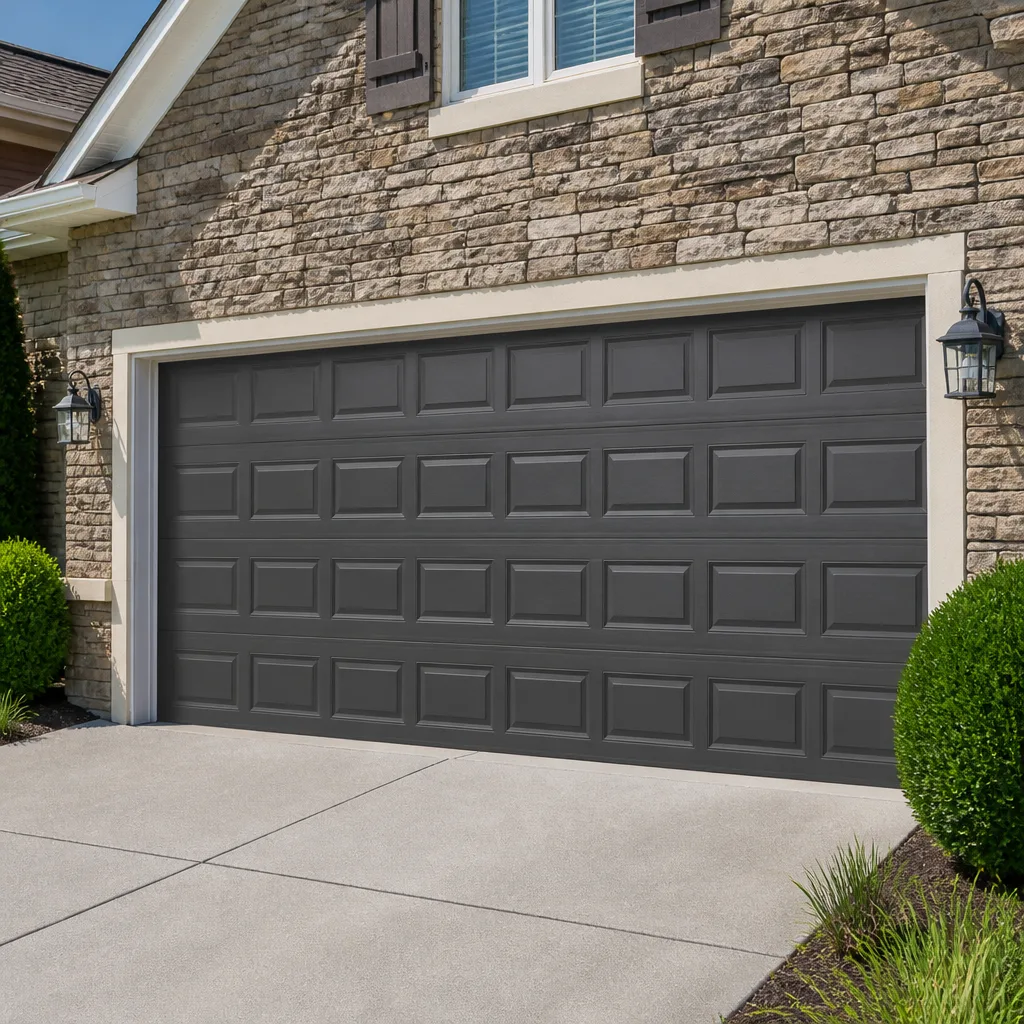 Raised-panel steel
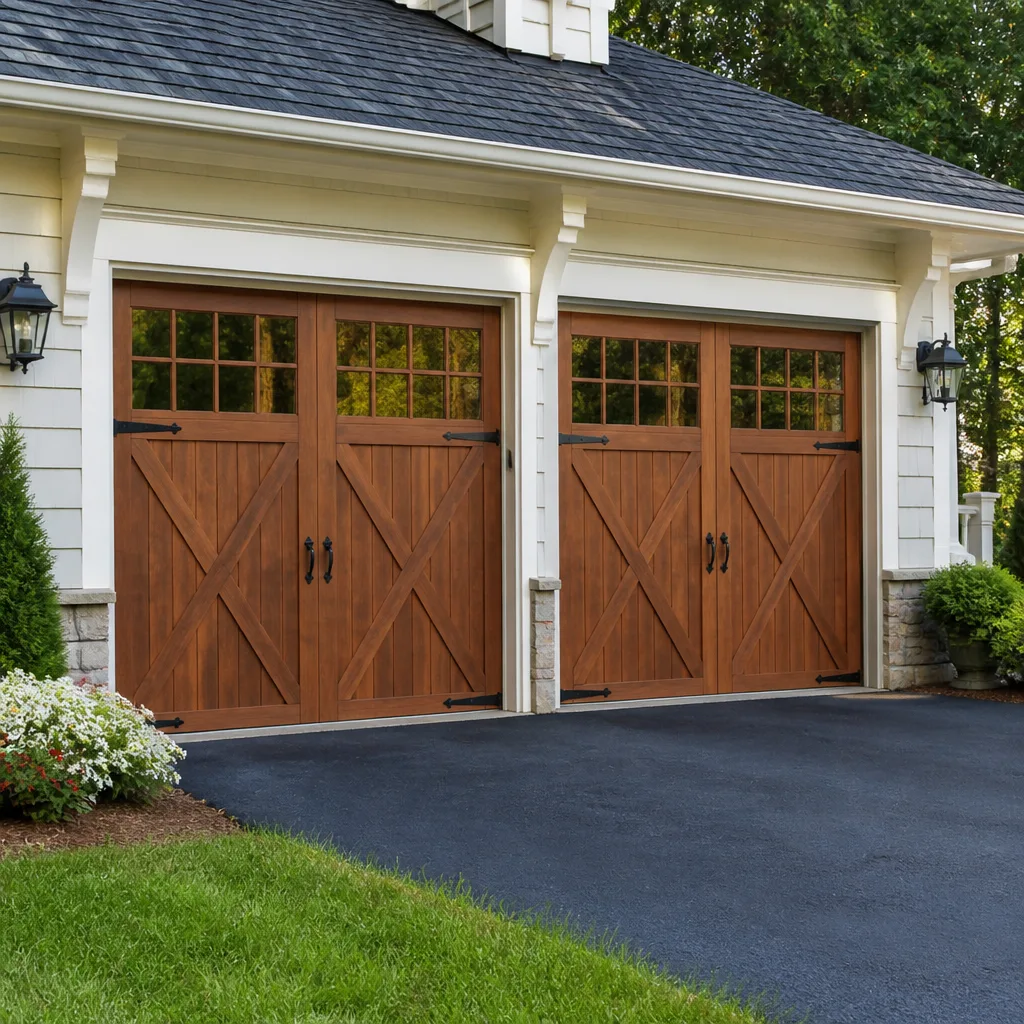 Carriage house
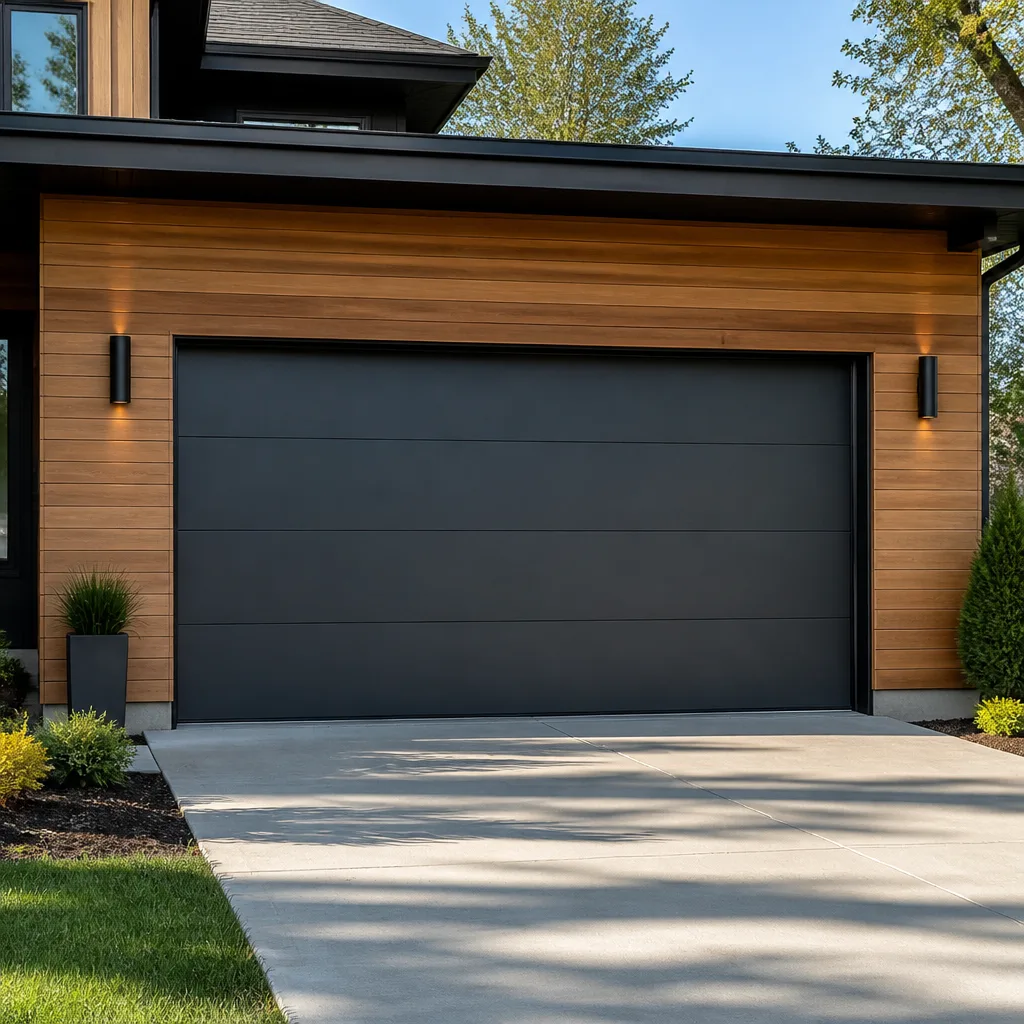 Modern flush
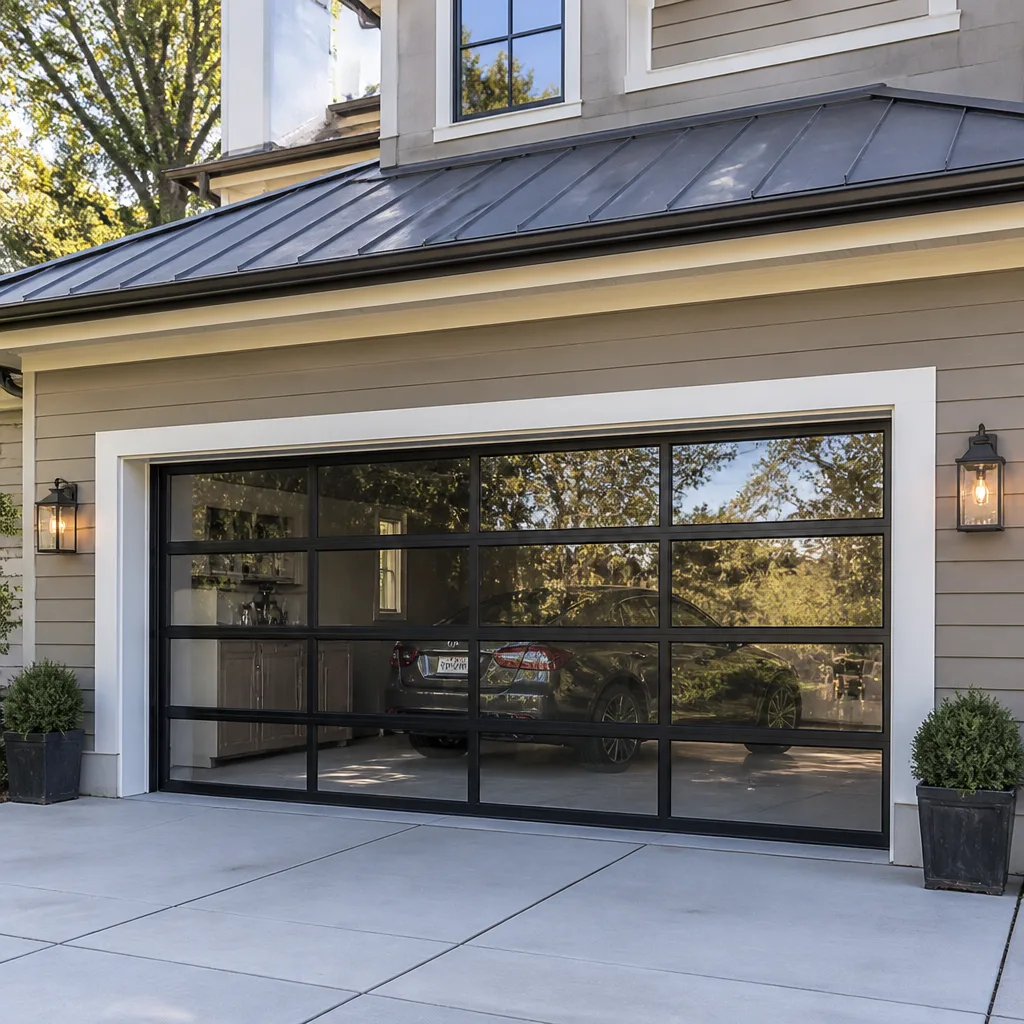 Full-view glass
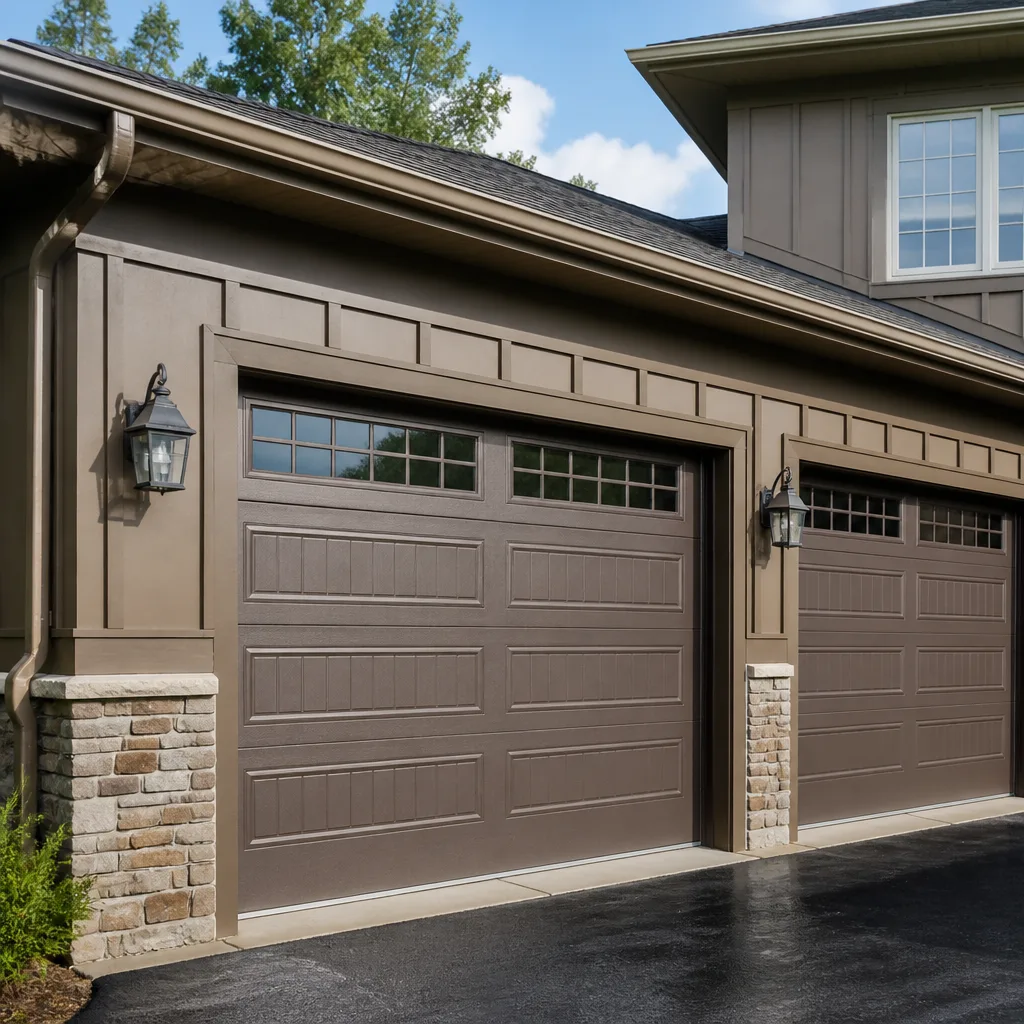 LiftMaster openers
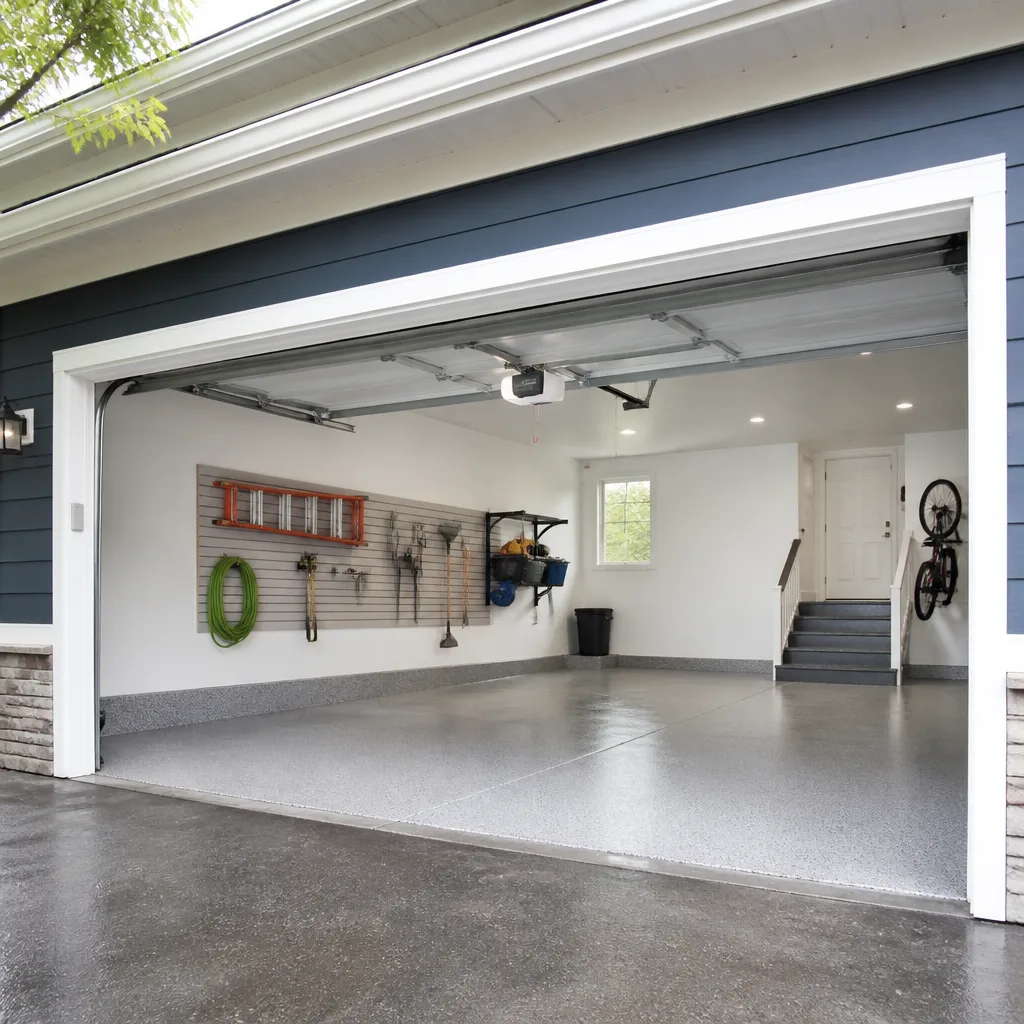 Chamberlain openers
Full 25-point door and opener safety check with every visit - springs, cables, rollers, tracks, and your LiftMaster or Chamberlain opener included
You get a price before we start. It does not change when the pro arrives.
Get your free estimateGarage Door Permits, Codes & Inspections in Reading, PA: What You Need to Know
Most people assume a garage door swap needs no paperwork. Panels come off, panels go on, and the city never hears about it. In our experience across Reading, the opposite is closer to the truth: the permit question turns on what actually changes. Replacing a door skin on the same track and same opening usually needs nothing. Cutting a new rough opening, changing the header, adding an opener to a converted living space in a finished garage, or putting a door on a structure that wasn’t originally a garage can all pull you into the City of Reading’s permit process and Pennsylvania’s Uniform Construction Code. This guide explains exactly where that line sits, what an inspector in Berks County actually looks at, and how an unpermitted door can follow a house into a real estate closing years later.
Quick Answer
A like-for-like garage door replacement on an existing opening in Reading typically does not require a building permit, but any change to the structural opening, the header, the electrical circuit for a new opener, or the use of the space (for example, an attached garage being converted or finished) usually does. Under the Pennsylvania Uniform Construction Code, garage doors are also part of the fire separation between an attached garage and the living space, and inspectors check that detail. When in doubt, call the City of Reading’s building permit office before the door is ordered – a five-minute conversation prevents a five-figure problem.
Styles & brands we work with
- Raised-panel steel
- Carriage house
- Modern flush
- Full-view glass
- LiftMaster openers
- Chamberlain openers
Table of Contents
- When does a garage door replacement need a permit in Reading, PA?
- How does the PA Uniform Construction Code apply to garage doors?
- Fire-rated doors and the attached garage: the detail installers skip
- What an inspector actually checks on a new garage door in Berks County
- How unpermitted garage work affects insurance and real estate in PA
- The step-by-step permit and inspection process in Reading
- Reading neighborhoods where permit questions come up most
- Common Mistakes to Avoid
When does a garage door replacement need a permit in Reading, PA?
A straight replacement of a garage door in the same opening, on the same track system, with no structural change, generally does not require a permit in the City of Reading. The city treats it like swapping a window sash into an existing frame – the assembly is being renewed, not altered. Where homeowners get caught is when the new door requires a structural change that reads as construction, not maintenance.
In our experience, these situations most often trigger a permit:
- Changing the rough opening or header. Widening a single-car opening to a double, raising the header height, or cutting into the wall above the door all modify the structure. That’s a permit.
- New electrical for an opener. If there’s no outlet or dedicated circuit at the ceiling and one needs to be run, the electrical work falls under the UCC’s electrical provisions. A permit and inspection are typically required.
- Converting an attached garage to living space. Once the garage stops being a garage, the door becomes a wall assembly – and that assembly has to meet fire separation requirements if the space is finished.
- Adding a door to a structure that didn’t have one. Turning a shed or a carport into an enclosed garage means cutting a new opening in a wall. That’s structural work.
- Replacing a door on a home where the garage was added without records. If the previous owner built the garage without permits, correcting the record usually means a permit for the door replacement so the city has a paper trail.
The safest habit is to describe the work to the City of Reading’s building permit office in plain terms and ask the question directly. If you’re working with a garage door specialist, they should be able to tell you whether the job is a like-for-like swap or something that touches the structure. That distinction is the whole ballgame in Reading.
How does the PA Uniform Construction Code apply to garage doors?
The Pennsylvania Uniform Construction Code is the statewide building code, and it applies to most residential construction and alteration in Reading. It covers the structural, electrical, and fire-safety provisions that a garage door touches. A garage door is not just a moving panel – it’s a large opening in an exterior wall, and depending on the situation, it can be a critical part of a home’s thermal envelope, structural bracing, and fire separation.
Here’s how the UCC realistically applies to a garage door job in Reading:
- Structural. The header above the opening and the jack studs on either side carry load. Any change to those requires an engineered or code-compliant detail, and an inspection.
- Electrical. A new opener needs a compliant circuit and outlet. If the circuit is being added or altered, the electrical inspection is part of the permit.
- Fire separation. This is the provision most installers skip. An attached garage is required to be separated from the living space by a fire-rated assembly. The garage door itself is part of that separation, and so is the wall and ceiling above it.
- Emergency egress. A garage door is not an egress door, but if a permit is pulled for a conversion, the inspector will confirm that the living space has another path out.
In our experience working on Reading homes, the UCC matters most when a homeowner is finishing an attached garage as a home office, gym, or in-law space. That’s the moment the door changes role, and that’s the moment the code starts caring about it. If you’re planning a garage door installation as part of a larger change to the space, it’s worth having a conversation about the code implications before the door is ordered.
Fire-rated doors and the attached garage: the detail installers skip
An attached garage is a fire risk to the rest of the house. Cars, fuel, and stored chemicals sit one wall away from bedrooms and kitchens. That’s why the UCC requires a fire-rated separation between an attached garage and the living space, and why the garage door itself – when it’s part of that separation, or when the garage has been converted to living space – has requirements that a basic replacement door won’t meet.
What this actually means for a Reading homeowner:
- The door between the garage and the house (the man door, not the big one) is the typical fire-rated door in question. It’s usually a 20-minute or 1-hour rated assembly depending on the space above. This is separate from the overhead garage door but is often replaced at the same time, and it’s a classic unpermitted alteration.
- The overhead door usually does not need a fire rating when it opens to the outside. It does need to close fully, latch securely, and resist wind load per the UCC’s wind provisions.
- If the garage has been converted to living space, the former garage door becomes an exterior wall. It must meet the thermal and fire requirements of an exterior wall, and a standard insulated door with a lift kit usually is not the right answer. This is where a permit is not just likely, it’s necessary.
- The ceiling above the garage is part of the fire separation too. A quick drywall repair after a spring failure can punch a hole in that separation if the wrong material is used.
Most installers who aren’t specialists in the trade will just sell a new door and move on. A garage door specialist asks whether the garage is attached, whether the space is finished, and whether the previous assembly was rated. In our experience, the answers to those three questions decide whether a permit is in the offing, and getting it wrong is one of the few ways a simple door replacement becomes a code problem.
What an inspector actually checks on a new garage door in Berks County
When a permit is pulled for a garage door project in Berks County, the inspector is not there to grade the installer’s welding. The inspector is confirming that the assembly meets the code provisions the permit was issued for. For a typical Reading garage door project, the checklist looks like this:
- The opening dimensions match the approved plan. If the permit says the opening is unchanged, the inspector wants to see the original framing. If it says a new header was installed, they want to see the approved detail.
- Header and framing. The header must be the correct size and be properly supported. On an older Reading rowhouse or a converted carriage house, this is often where the inspection stalls – the existing framing may not match what the plan assumed.
- Fasteners and attachments. The track, brackets, and opener must be fastened to structure, not just to drywall or paneling. Inspectors do look.
- Electrical connections for the opener. If a new circuit was part of the permit, the inspector confirms the outlet, the disconnect, and the wiring meet code.
- Fire separation. For attached garages, the inspector checks the rating of the assembly, including the ceiling and the man door. A missing fire-rated door or an unsealed penetration fails.
- Operation and safety features. The door must open and close fully, and the opener must have the required safety reversal system (photo-eye and force sensitivity). This is required by code, not optional.
- Labels and documentation. Insulated doors and fire-rated assemblies typically need manufacturer documentation on site. Missing paperwork is the number-one cause of a failed garage door inspection we’ve seen in Reading.
If the door is brand-specific – a LiftMaster or Chamberlain opener, or a Raynor insulated door – the manufacturer documentation matters more, because the inspector is confirming the assembly meets the standard, and the label is how they confirm it. A specialist who installs these brands day in and day out knows what paperwork to leave on site.
How unpermitted garage work affects insurance and real estate in PA
An unpermitted garage door replacement doesn’t usually surface until two moments: an insurance claim, or a real estate sale. In both cases, the problem isn’t the door itself – it’s the missing record. Pennsylvania’s real estate transactions put heavy weight on seller disclosure, and a buyer’s home inspector will flag an addition or an alteration that has no permit pull on file.
Here’s how it plays out in Reading:
- During a sale. A buyer’s inspector finds a converted garage, a new structural opening, or an added opener circuit and asks for the permit. If there isn’t one, the sale can require a retroactive permit, an inspection, and documentation before closing – and the seller usually pays for it, regardless of what the work originally cost.
- During a claim. If a fire or structural claim touches an unpermitted modification, an insurer can reduce or deny coverage for the affected area. That’s not a scare tactic; it’s a standard clause in most policies. The door doesn’t have to be defective – it just has to be undocumented.
- During a refinance or appraisal. Lenders and appraisers look for structural alterations that don’t show in public records. A garage door that changed the exterior of the home can trigger questions, and sometimes a required correction.
- During a subsequent sale to a buyer using a mortgage. FHA and conventional lenders require the property to meet specific standards, and unpermitted structural changes are a common cause for repair negotiations or delays.
In our experience, the homeowner who has to fix a permit problem is never the one who skipped the permit – it’s the one who bought the house afterward. That’s why the question is worth asking now, before the door is ordered, not at a closing table six years later. A properly permitted job is a small amount of paperwork and a modest fee. A retroactive permit is a project.
The step-by-step permit and inspection process in Reading
When a garage door project does need a permit in Reading, the process is more manageable than it sounds. Here’s the general sequence, based on how the City of Reading’s permit office and the Berks County inspection process typically unfold. Confirm the specifics with the city before you start, because fees and submittal requirements can change.
- Describe the scope in writing. Before you call the city, write down what’s changing on the door, the opening, the electrical, and the space. The permit office will ask, and having the answers ready saves a trip.
- Call the City of Reading building permit office. Ask whether the work described falls under a permit. If it does, ask which trades need to be on the application – sometimes it’s just building, sometimes it’s building plus electrical.
- Gather the submittal documents. That usually includes a scope of work, a simple drawing of the opening and any structural change, and the manufacturer documentation for the door or opener being installed.
- Submit the application and pay the fee. The fee scales with the scope. Confirm whether the fee is due at submittal or at approval.
- Schedule the inspection. Once the work is installed, the permit needs to be closed out with an inspection. Depending on the scope, it may be a single inspection or a rough and final.
- Keep the permit and inspection record. File the approval with your home records. It’s the document that answers the question at a future sale, insurance renewal, or refinance.
When you’re working with a garage door specialist, most of this is handled on the installer’s side – the paperwork, the submittal, the inspection scheduling. In our experience, the jobs that get delayed are the ones where the permit question wasn’t asked until the door was already delivered. Ask before the order.
Reading neighborhoods where permit questions come up most
Not every part of Reading has the same garage door situation. The city’s housing stock runs from early-20th-century rowhouses to postwar ranches to newer construction on the edges, and each has its own typical permit question. In our experience, the door itself is easy; the surrounding structure is where the conversation starts.
- Centre Park and the older downtown blocks. Many of these homes have detached garages or carriage houses, or no garage at all. When a garage door is added here, it’s usually a new opening, and a new opening means a permit.
- Wyomissing and the western Reading neighborhoods. More postwar and mid-century homes, many with attached garages. The permit question here is less about the opening and more about whether the garage has been finished as living space.
- Mount Penn and the surrounding hillside neighborhoods. Sloping driveways and older garages often mean the door assembly sits on a retaining wall or a graded opening. Structural changes around the opening are more common, and so are permit questions.
- Muhlenberg and the northern edges of the city. Newer construction and additions. Opener replacements there are usually straightforward; new installs and opener circuits aren’t.
- Converted carriage houses and accessory structures. These are the hardest cases. The structure may not have been permitted as a garage originally, and correcting that usually means a retroactive permit before any new door goes up.
Reading’s housing stock is varied, and the street-by-street differences matter more than a citywide rule. When in doubt, the question to the City of Reading’s permit office is: “Will this change to my garage door approach the building code?” That phrasing gets a clearer answer than “do I need a permit?” because it puts the question in terms the office can actually evaluate.
Common Mistakes to Avoid
- Assuming a new door needs no permit because the last one didn’t. The last replacement may have been a like-for-like swap. If this one involves a new opener circuit, a wider opening, or a converted space, the answer changes. Ask about this job, not the last one.
- Skipping the fire-rated door between the garage and the house. Homeowners often replace the overhead door and leave the man door as-is. If that door isn’t rated and the garage is attached, an inspection will fail it, and it will surface in a sale.
- Adding an opener circuit without an electrical permit. A new outlet at the ceiling isn’t a handyman job. It’s an electrical alteration, and it typically requires a permit and an inspection in Reading.
- Letting a general contractor handle a garage door replacement. A generalist often doesn’t know what the inspector will look at, and leaves the paperwork to the homeowner. A garage door specialist in Reading knows the code checkpoints because they see them on every permitted job.
- Converting the garage without considering the door assembly. Finishing an attached garage changes what the door and ceiling need to be. Skipping that step means the space isn’t code-compliant even if it looks fine.
- Not keeping the permit paperwork. A stamped plan and an inspection sign-off are the only evidence a future buyer, insurer, or appraiser will accept. File them with the deed and the home records.
- Waiting until the inspection to gather manufacturer documentation. Insulated doors and fire-rated assemblies need their labels on site. A garage door repair or replacement that includes a change in assembly type should have that documentation in hand before the inspector arrives.
See the difference
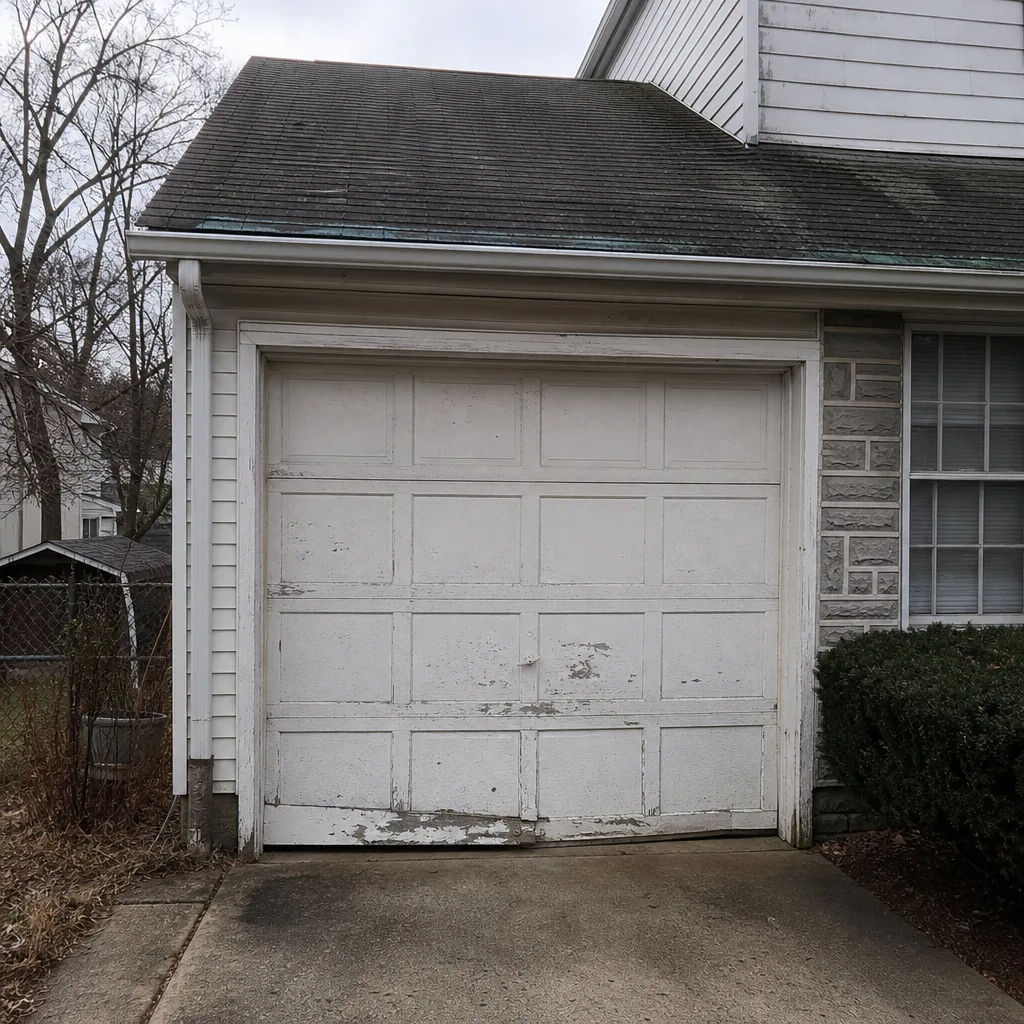 Before
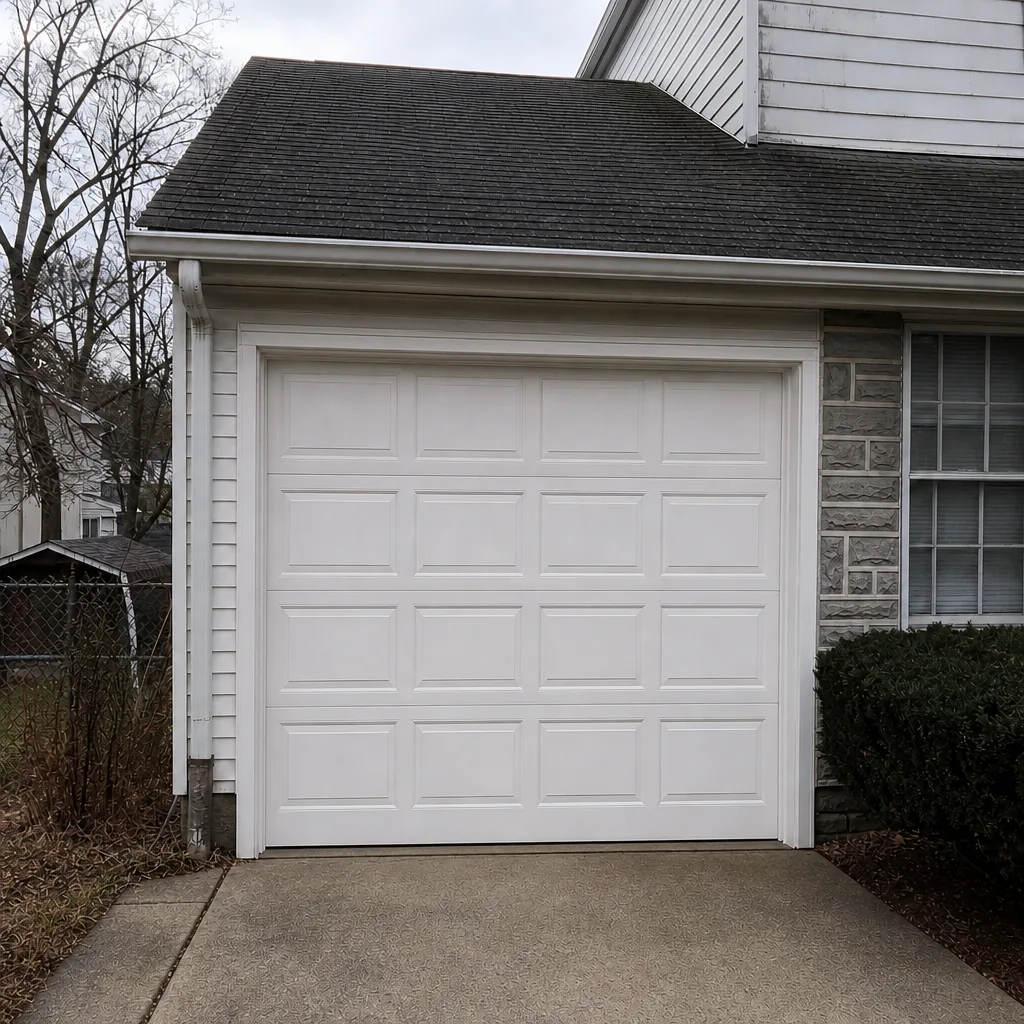 After
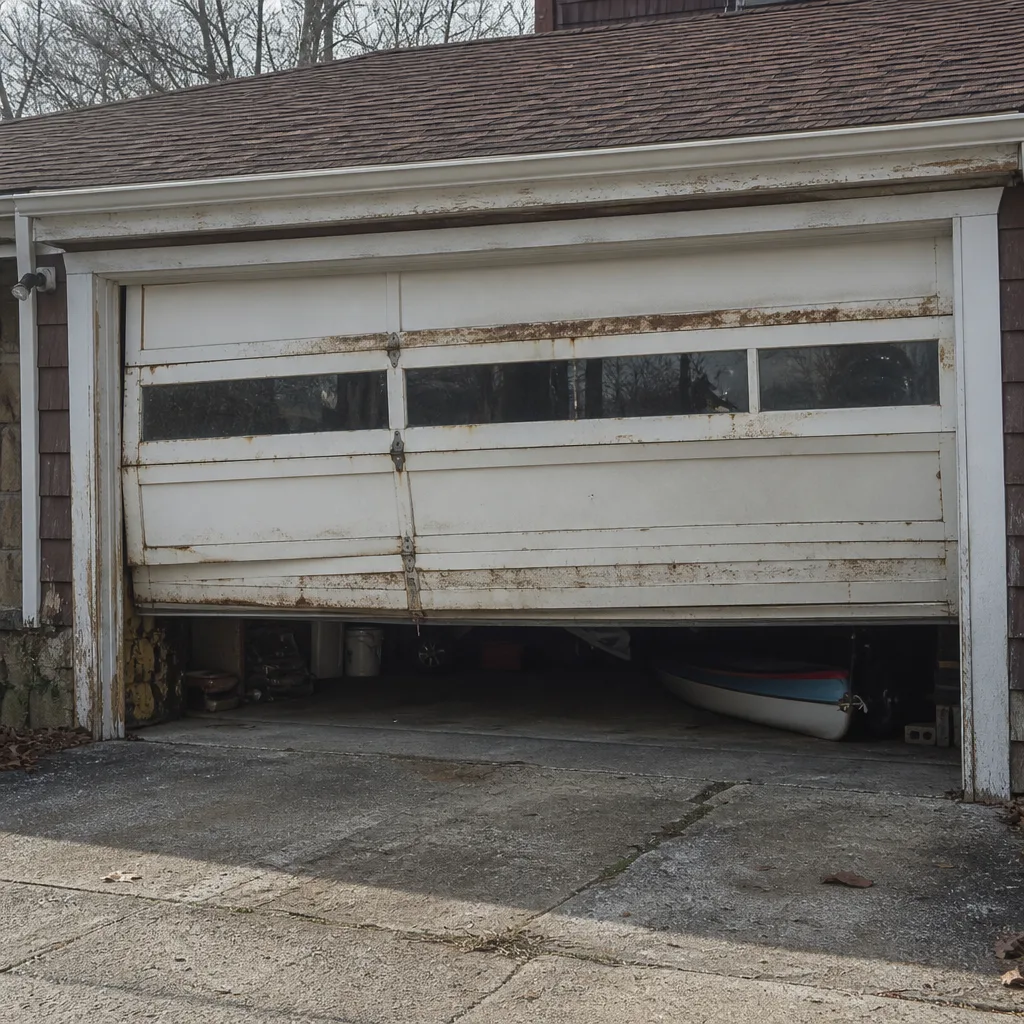 Before
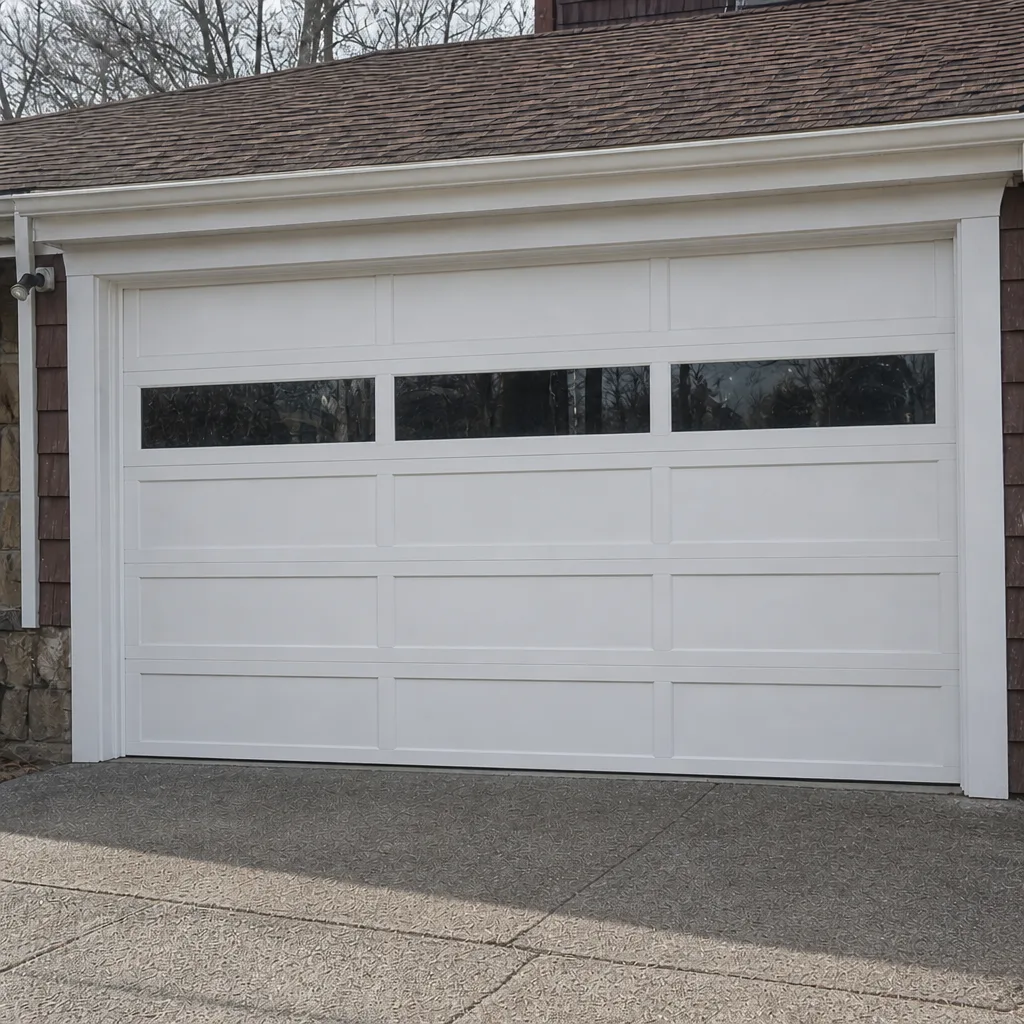 After
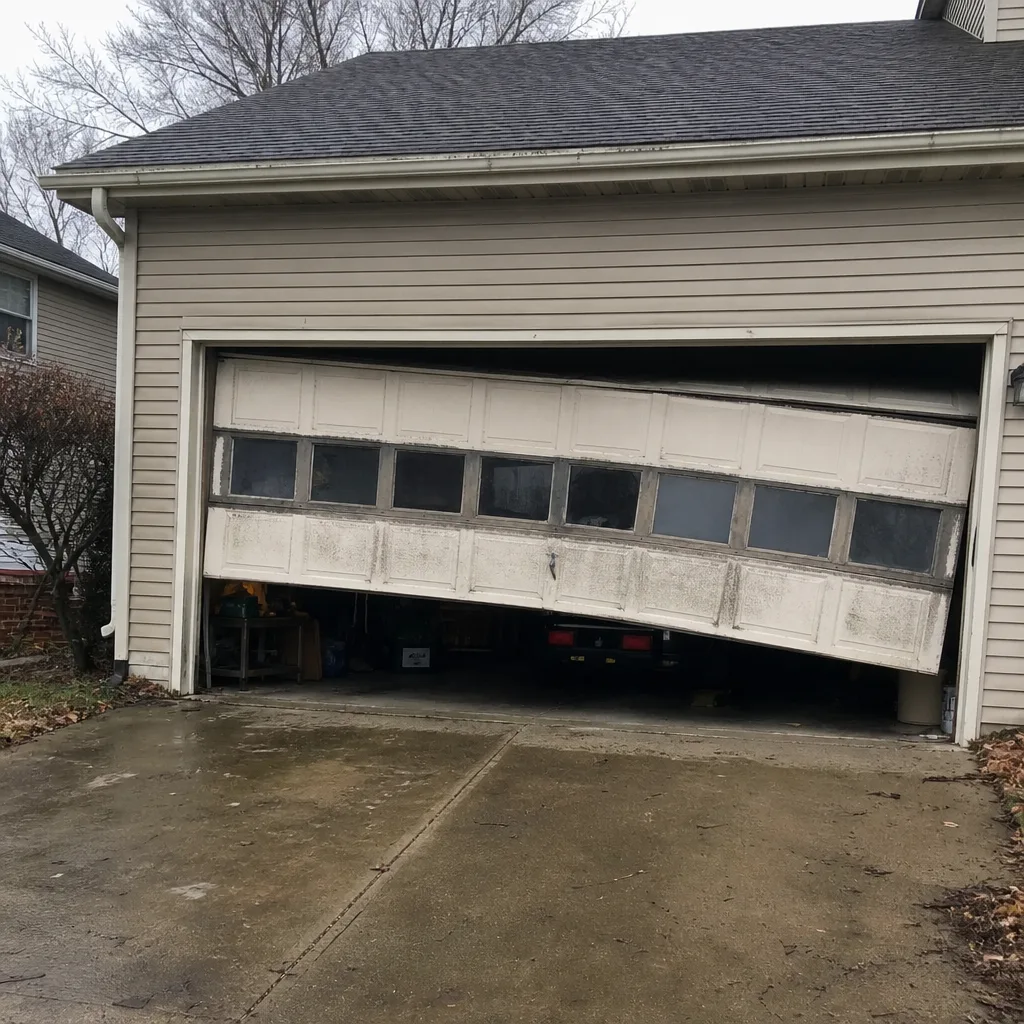 Before
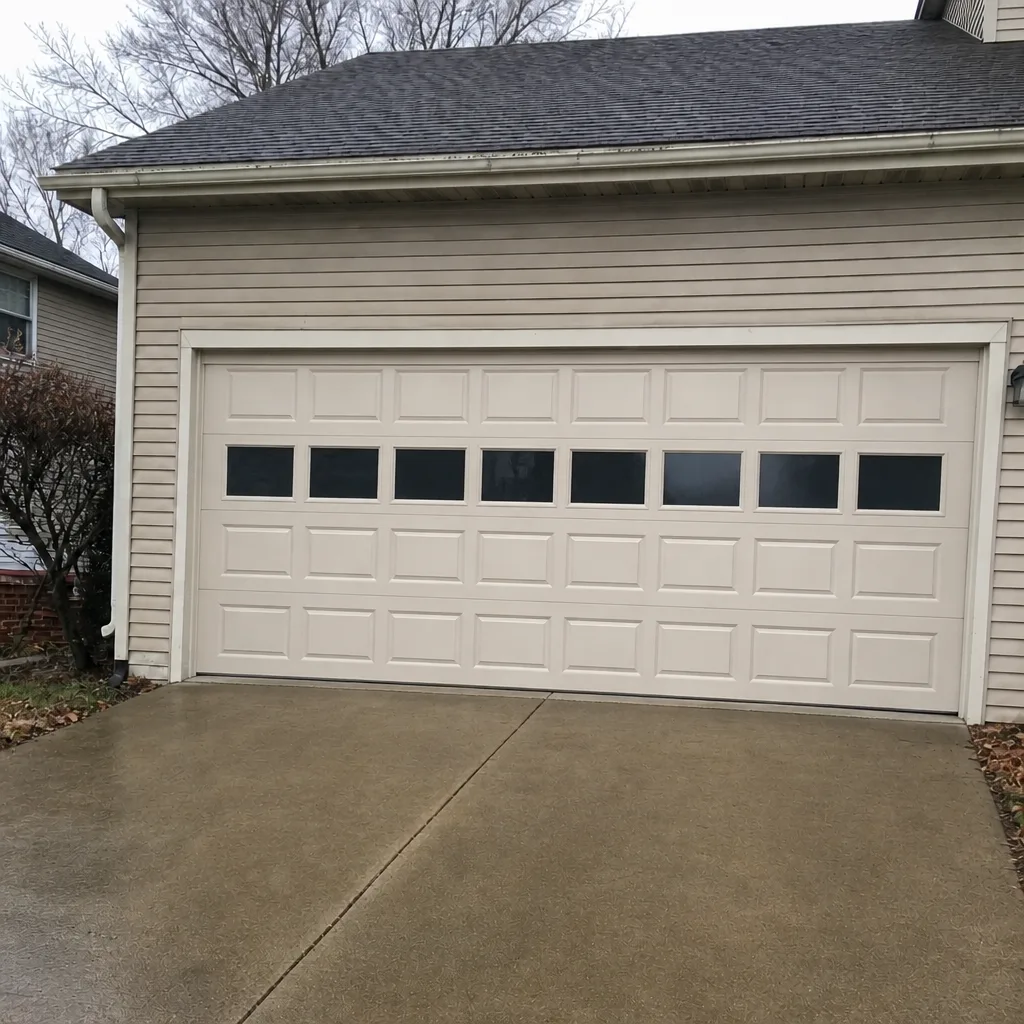 After
When to Call a Professional
Call a garage door specialist when the job involves anything beyond a like-for-like door swap: a new opener with a new circuit, a wider opening, a converted garage space, a fire-rated man door, or a home where you’re not sure what the previous owner did. Those are the jobs where the permit question, the code detail, and the installation all interact. A specialist who works on garage doors every day – and specifically, on the brands already in your garage, whether that’s LiftMaster, Chamberlain, Craftsman, Raynor, Genie, Clopay, Amarr, or Wayne Dalton – will tell you what needs a permit before the door is ordered, and will handle the paperwork. If you’re not sure which side of the line your project is on, call Reading Garage Door Repair Pros at (844) 660-0516. We answer 24/7. Fast dispatch from 7am to 7pm, Sunday through Friday. Estimates are free, and the price is quoted and agreed before any work starts.
Springs are a separate safety matter entirely. Torsion and extension spring work is the most dangerous job on a garage door, and it’s not a place for a homeowner to experiment – we handle spring repair as a core service, with proper tools and training, because the alternative is a serious injury. If a spring has snapped, that’s a call, not a project.
Frequently Asked Questions
Usually not, if it’s a like-for-like replacement in the same opening with no structural change, no new electrical, and no change to the use of the space. Any change to the rough opening, header, electrical circuit, or the status of the garage (finished, converted, or attached) generally requires a permit from the City of Reading. Call the city’s building permit office with your specific scope to confirm. Call (844) 660-0516 for a free estimate on the door itself – the written quote is the price, and it’s agreed before work starts.
The UCC treats the garage door as part of the exterior enclosure and, in an attached garage, part of the fire separation between the garage and the living space. That means the assembly must meet code for structural support, electrical connection, fire rating where applicable, and safety reversal for the opener. A garage door specialist in Reading should be able to tell you which of those provisions applies to your job.
Yes. A buyer’s home inspector will note an alteration that doesn’t match public records, and the seller’s disclosure in a Pennsylvania real estate transaction is expected to address it. That can lead to a required retroactive permit and inspection before closing. The cleanest way to avoid that is to permit the job when it’s done. If you’re facing this on an existing door, call (844) 660-0516 and we’ll talk through what the fix looks like.
Replacing the opener unit itself on an existing outlet typically does not require a permit. Adding a new circuit or outlet for the opener usually does, because it’s an electrical alteration. If the opener is a Wi-Fi or smart-home model, like a MyQ-enabled LiftMaster or Chamberlain, the electrical connection is the same question – the permit decision is about the wiring, not the brand.
An attached garage must be separated from the living space by a fire-rated assembly, and the doors, walls, and ceiling that make up that separation are part of it. The man door between garage and house is typically required to be fire-rated; the overhead door usually is not if it opens to the outside. If the garage has been converted to living space, the requirements tighten further. Ask the City of Reading’s building department for the specific requirement on your address.
Permit fees are set by the City of Reading and scale with the scope of the work. They’re separate from the door and installation cost, and a permit is usually a modest line item compared to the assembly itself. What adds up is doing the job without one and paying for a retroactive permit later. Call (844) 660-0516 for a free estimate on the door and the installation – estimates are free and the written quote is the price.
The Bottom Line
In Reading, most garage door replacements sail through without a permit – but the exceptions are where homeowners lose time and money. Any change to the rough opening, the header, the electrical circuit, or the use of the space pulls the project into the City of Reading’s permit process and the PA Uniform Construction Code. The fire-rated separation between an attached garage and the living space is the detail that gets skipped most often, and it’s the one that surfaces at a home inspection or an insurance claim. The fix is straightforward: describe the scope honestly, ask the city before the door is ordered, and let a garage door specialist handle the paperwork and the installation. If you’re ready to move forward, call Reading Garage Door Repair Pros at (844) 660-0516. Our technicians have up to 15 years of experience across LiftMaster, Chamberlain, Genie, Clopay, Amarr, Wayne Dalton, Craftsman, and Raynor systems, and we work on the brand already in your garage. We answer 24/7. Fast dispatch from 7am to 7pm, Sunday through Friday.
For the underlying repair and installation work behind any permitted project, start with our main page at Reading Garage Door Repair Pros, or go straight to garage door opener repair if the problem is at the ceiling rather than at the door.
Written by the team at Reading Garage Door Repair Pros.